
Nature is fascinating. Everyone wonders how trees and plants survive the winter? After all, we know they can't go indoors to warm up! Plants go through a wonderful hibernation process, similar to hibernation, which we call „dormancy”.
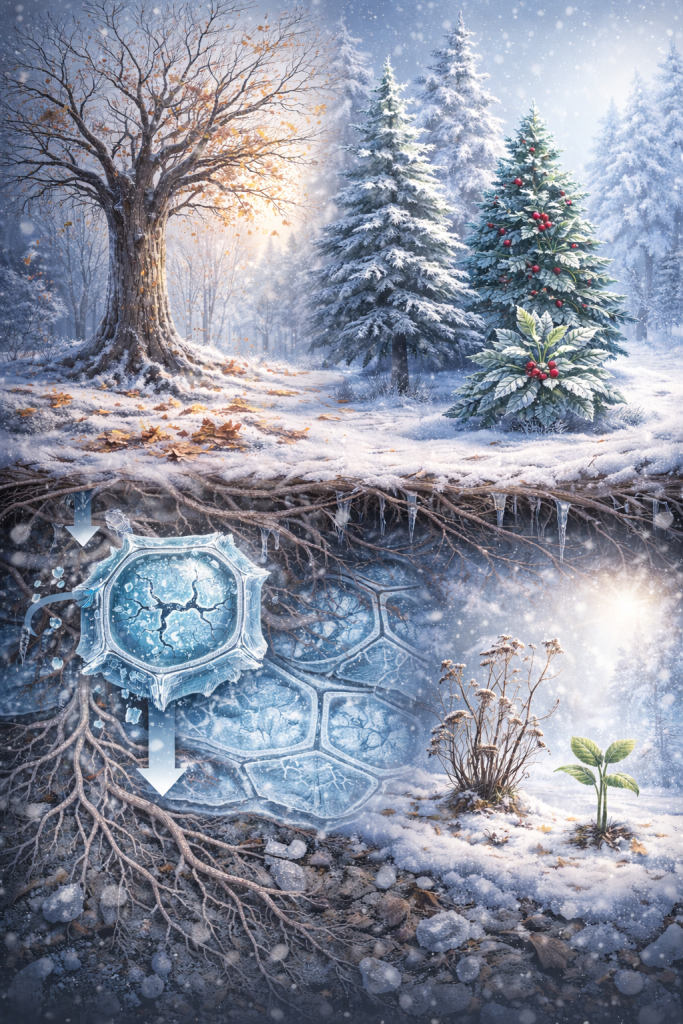
All plants need sunlight and water to grow. However, in the winter months, shorter days provide less sunlight, and in sub-zero temperatures, water freezes and becomes inaccessible. Below these temperatures, plant cells also crack.

So what's a plant to do?
Firstly, as the days get shorter and the cold sets in, many plants „harden off”. Water moves from the plant cells to the roots and the remaining sap, a sugary solution, often acts as a so-called „antifreeze”.
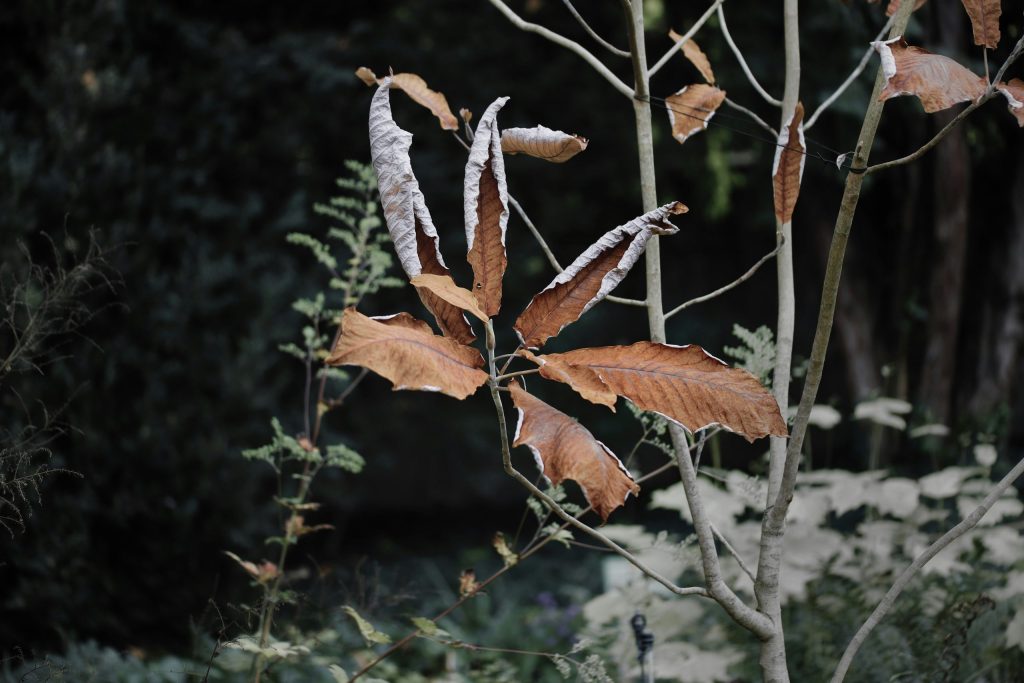
Deciduous trees, such as maples and oaks, shed their thin leaves every autumn to reduce water loss. Evergreens and shrubs have waxy, needle-like leaves (pine, spruce, honeysuckle) or hard, broad waxy leaves (holly, magnolia) that are more resistant to cold and moisture loss. Plants can also modify their life cycle and growth rate to cope with seasonal changes and moisture deficit.
Some plant species, as we know, only survive one growing season and die in late summer or early autumn, but many produce seeds that germinate the following year. These plants are called annuals. Trees and shrubs and herbaceous plants that live for two years or more are perennials.
How do they survive the winter?
The longer nights and colder temperatures cause photosynthesis and respiration to slow down, indicating that it is time to rest for the next growing season. Many perennials and trees lose their tender leaves and evergreens stop growing. The excess sugars produced during the summer are concentrated in the plant cells. Water from the cells, which can freeze and cause them to rupture, is transported outside the cell walls where it can freeze safely without damaging the cells. During thawing, the plant cells can absorb the water and prevent dehydration. This method of water flow into and out of cells helps plants survive not only cold but also other extreme weather conditions such as heat and drought.
In winter, the bark provides important insulation for trees when they are exposed to harsh temperatures. Think of bark as a winter coat that you pull on when the temperature drops. Just under the bark is living tissue that is extremely vulnerable in winter. Bark protects this tissue from a variety of threats, including chafing from deer and elk antlers, frost, insects and other damage.

What is happening underground?
While everything seems to be dormant above ground, a natural and wonderful process of adaptation is taking place deep in the soil. The roots continue to grow and feed the plants with the accumulated starch until the warm weather returns. Soil temperatures in winter are usually much higher than air temperatures. A layer of mulch or snow cover prevents the extreme cold from penetrating too deep and damaging the roots. More importantly, it protects the soil from rapid freezing and thawing, which can damage the roots and promote the growth of unseasonal new shoots, which are highly susceptible to sudden frosts.
One of the best ways to ensure that your plants survive the winter is to plant native plants that are adapted to your habitat and climate.

 Magyar
 English (UK)