


Marine flora is divided into two basic groups: phytobenthos and phytoplankton
The most colourful is phytoplankton, mainly composed of diatoms in cold and temperate seas, armoured whipworms, whip algae and bacteria in tropical and subtropical seas. The occurrence of the different types depends on the depth and transparency of the water.
Of all the plants on Earth, these organisms are the only ones that have all the essential factors for existence. The water temperature never drops below freezing, there is constant sunlight, and a constant supply of nutrients, provided by ocean currents from the depths of the oceans.
Plant plantons
Marine life is based on plant plankton, which moves in huge masses. Meanwhile, plankton produce nutrients, are constantly renewing themselves and provide food for similar microscopic animals. Together, this community of plants and animals makes up the plankton that floats in the seas. Molluscs, crustaceans and small fish eat it in small portions. Larger fish feed on the smaller ones, so in essence they feed on plankton. Plankton is also the food of larger fish, sharks and baleen whales.
"Oxygen farms"
Even we humans depend to some extent on this "floating pasture". They are more important than large grasslands, tropical rainforests or any plantations because they produce the oxygen we need to breathe.
In contrast to phytoplankton, the phytobenthos that make up the benthic community are larger algae that cling to the bottom, covering the seabed or floating on upward-growing, branched stems.
The seaweed
Seaweeds play a vital role in the ecosystem and are of growing importance for sustainable horticulture and agriculture. These organisms can survive extreme conditions such as high salinity water, tidal fluctuations and temperature fluctuations. Algae are not only essential for marine life, they are also a major producer of oxygen for human existence. The use of algae in horticulture can be beneficial as they naturally provide nutrients to plants, improve soil quality and help manage plant stress responses.
They are particularly valuable in chemical-free, organic farming because they support plant health and growth in a sustainable way, while reducing environmental impact. The use of algae thus contributes to environmentally conscious and self-sustainable gardening, while promoting biodiversity conservation and sustainable use of natural resources.
Algae products
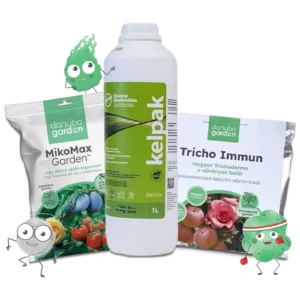
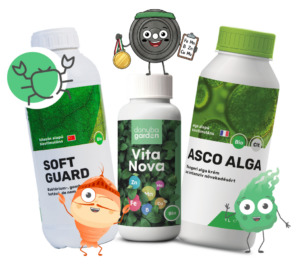
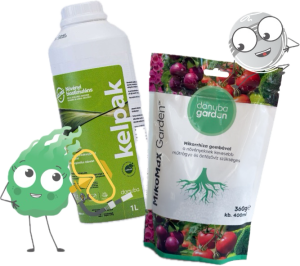
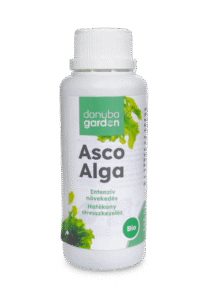
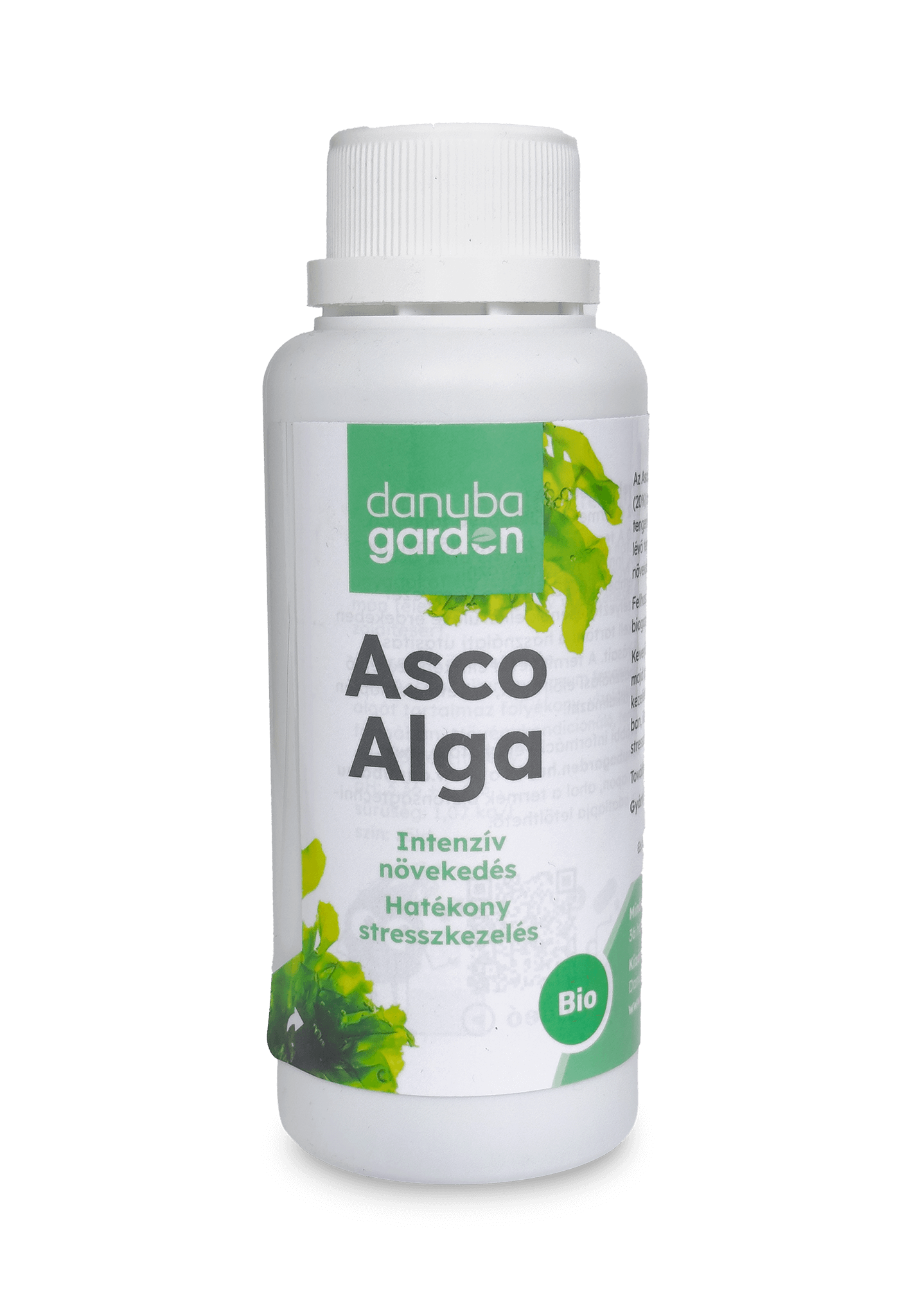
🪸We also use the power of algae, so the DanubaGardenalso has products containing algae (Asco Alga, Kelpak):
- Quality algae products can help the plant in the event of: drought, heat stress, cutting injury, nutrient deficiencies, fertilization, coloration, gut content and shelf life improvement
- Seaweeds are forced to grow up in extremely difficult conditions, with tidal currents that keep them in the water and on the beach, cold warm currents that alternate between them, and the constant destruction of marine animals
 Magyar
 English (UK)