

By the end of July, most gardeners are concentrating on harvesting. This is understandable, as the tomatoes are in full bloom, the peppers are smiling, the cucumbers are curing and you have to think about what to do with the 5 kg of courgettes still growing on the stems. 🥒 🍆 🌶️
But we sometimes think that the green peas and beans that have been sitting on the freezer for a long time, the onions that have been freshly bagged or the areas that remain empty behind the ever-shortening rows of potatoes and carrots should be put to some use. But what else can be sown that grows fast enough to produce a crop?
Leaf vegetables:
- Arugula: can be harvested in 3-4 weeks.
- Bird lettuce (lamb's lettuce): for autumn-winter harvesting.
- Cabbage lettuce: not only to be enjoyed in spring, but choose a variety that is not prone to wilting (e.g. Lento).
- Spinach: likes cooler weather, but can be sown at the end of the month.
- Swiss chard: definitely underestimated, although it can be harvested continuously until the frosts (if there are any).

Cabbages:
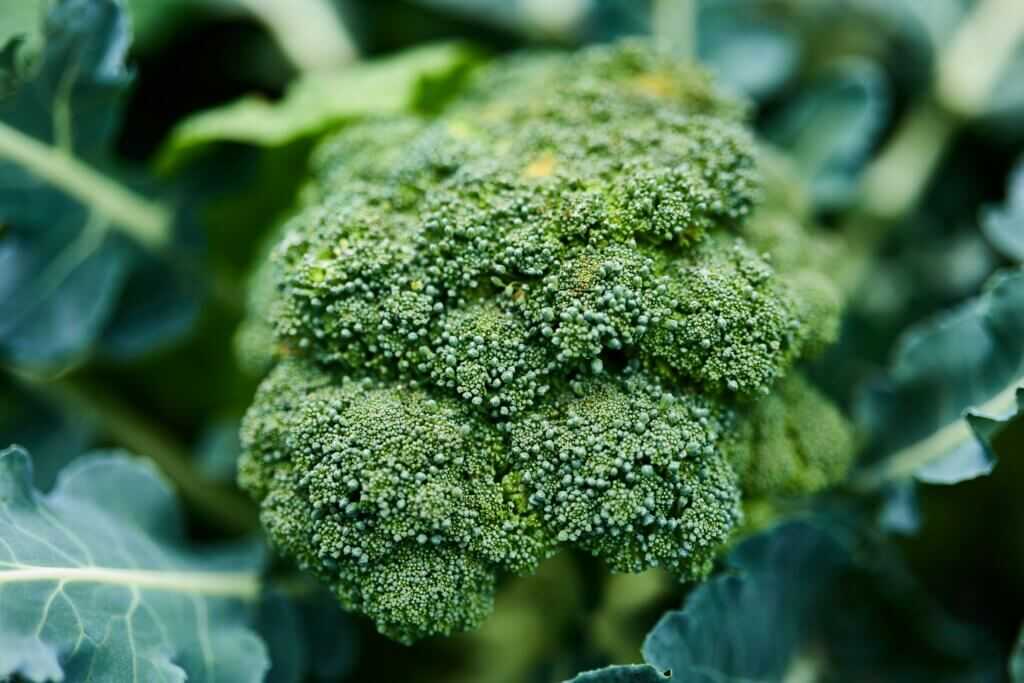
- Broccoli, cabbage, kale, Brussels sprouts and kohlrabi: Seedling dealers usually prepare for this mini season, but short growing seasons can still be sown.
Onions:
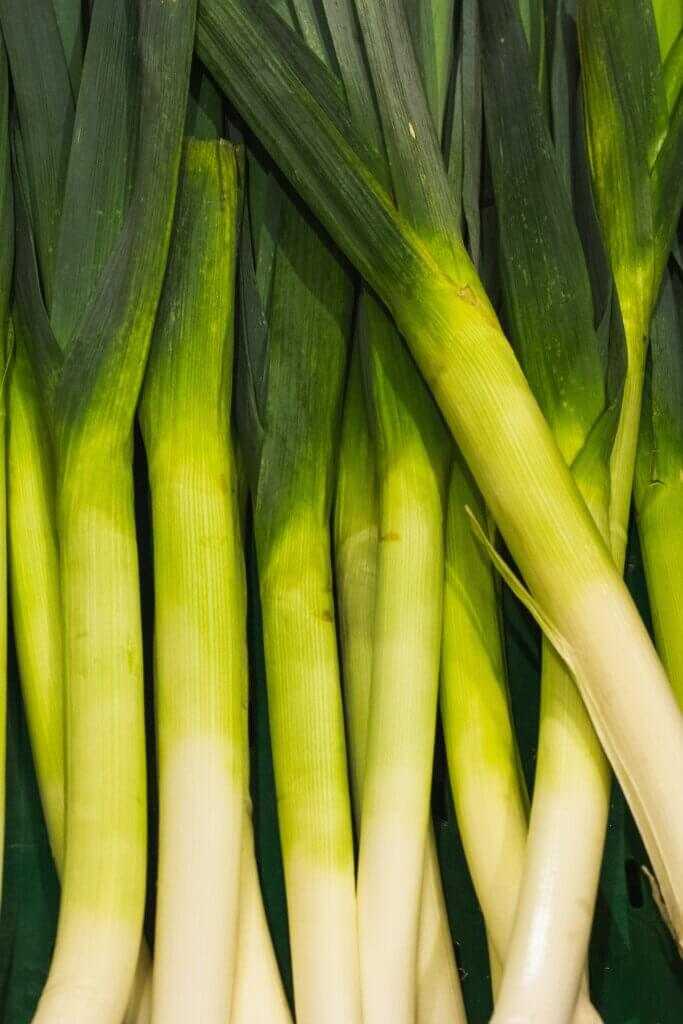
- Green onions: can also be grown as bulbs and seeds, harvested in autumn.
- Leeks: if you plant them as seedlings, they still have time to grow.
Root vegetables:
- Radishes: grow quickly in 3-4 weeks and can be harvested, but black radishes can be kept in the ground until frosts.
- Beetroot: although no longer growing at the same rate, the leaves remain tender when earlier crops are already mottled with cerkospores.
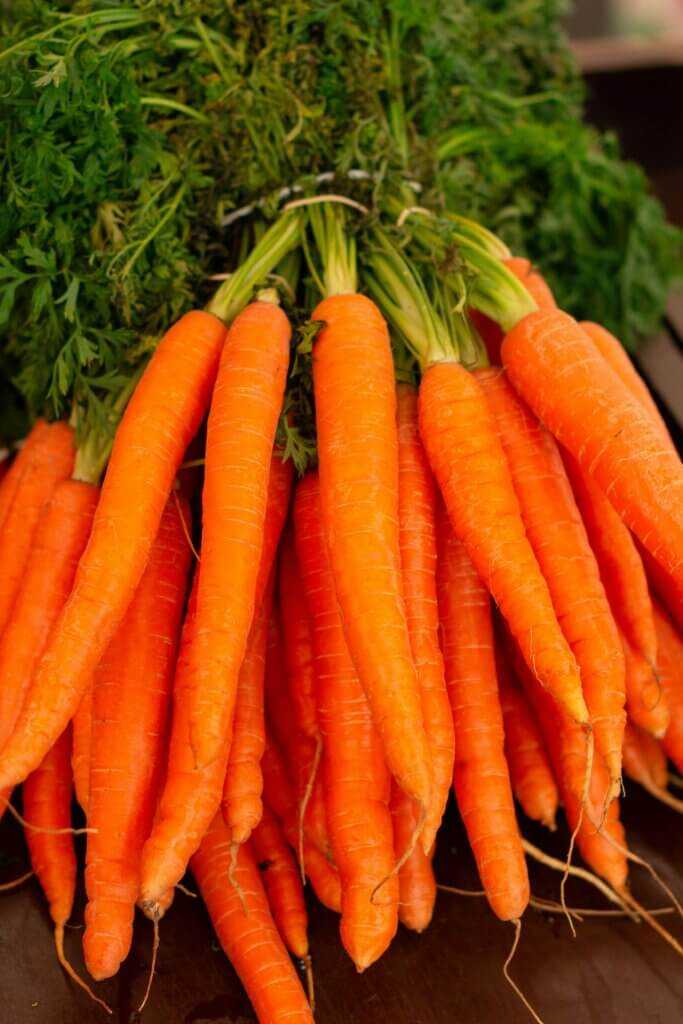
- Carrots: varieties with a short growing season can still be sown (e.g. Amsterdam, Nantes).
They are thin:
- Green beans: we are in the 24th hour of sowing.
- Green peas: can still be sown in autumn in cooler regions.

Herbs:
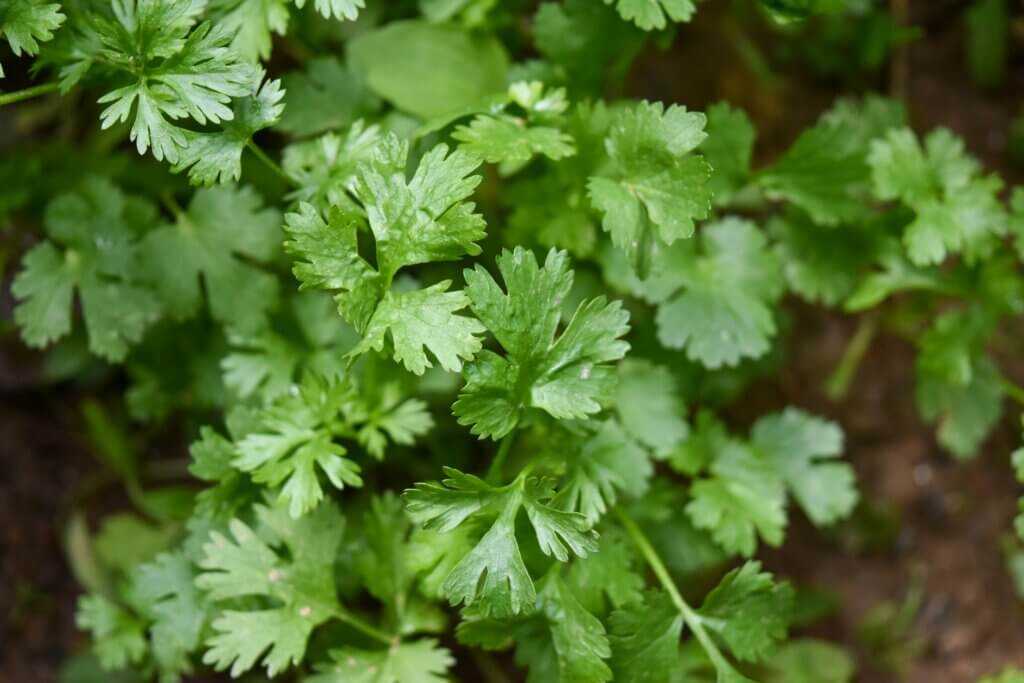
- You can also use dill, parsley, coriander and even basil.
- Fennel: more from seedlings.
In addition to the vegetable garden, don't forget to take care of next year's flower bloom! Many of our biennial flowers are now in their sowing season. These include violets, pansies, carnations, bluebells and foxgloves. But now is also the time to sow the seeds of the lady in the plaid skirt, the disc cabbage, which livens up the grey days of late autumn and early winter.
☀️ Useful tip 💦
Our second crops are much more at risk than in spring because of the constant scorching sun. Remember to water more often, and if you do water, try to keep the soil moist by mulching.

Bio technology
Danuba Garden technology can also give a huge boost to your plants. 1-day 1% Blackjak pre-soaking in solution results in faster germination and more uniform emergence. If germination is delayed, the soil around the seed has more time to dry out, so germination is stalled. 2 Irrigate with % to improve the water and nutrient retention capacity of your soil. Applied to plants as a spray, it can temporarily correct some nutrient deficiencies, but with foliar fertilizers, along with pesticides, it acts as a booster, helping the nutrients to penetrate the plant.
More products
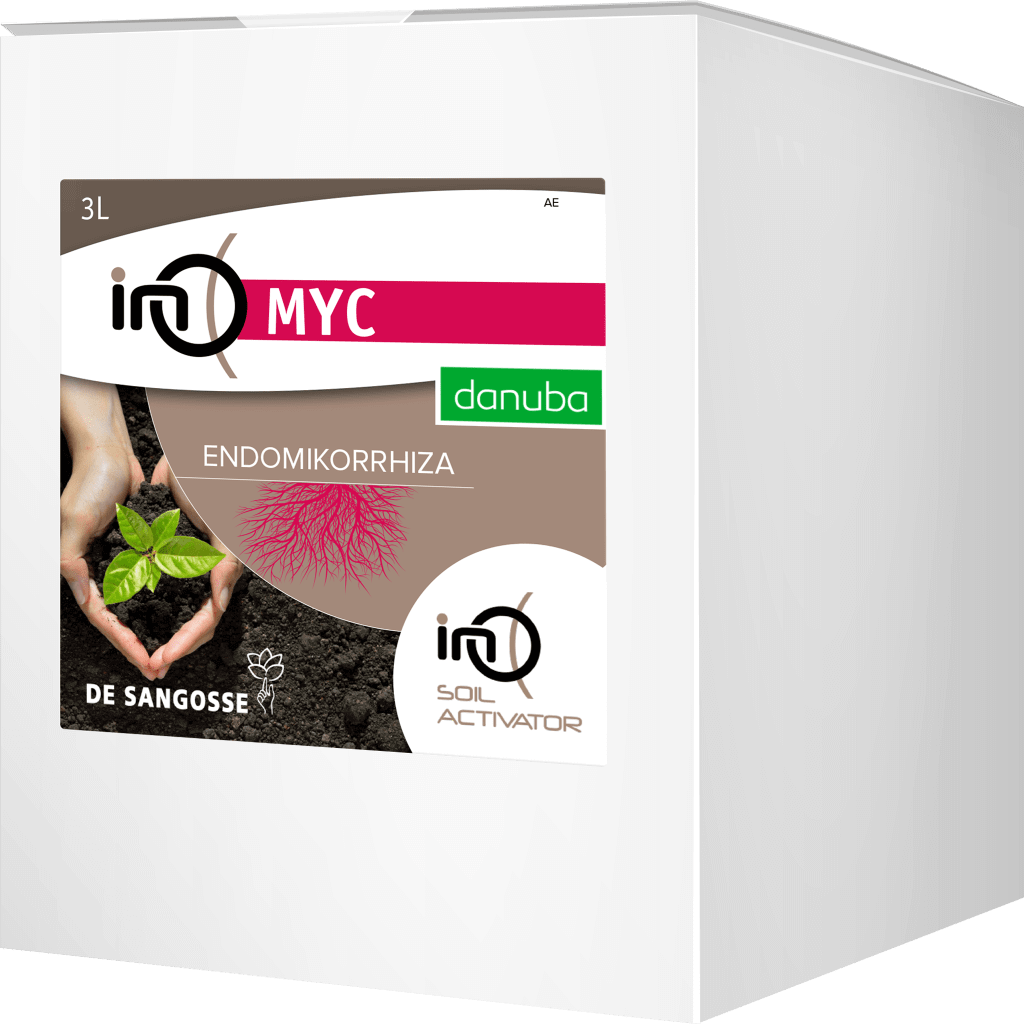
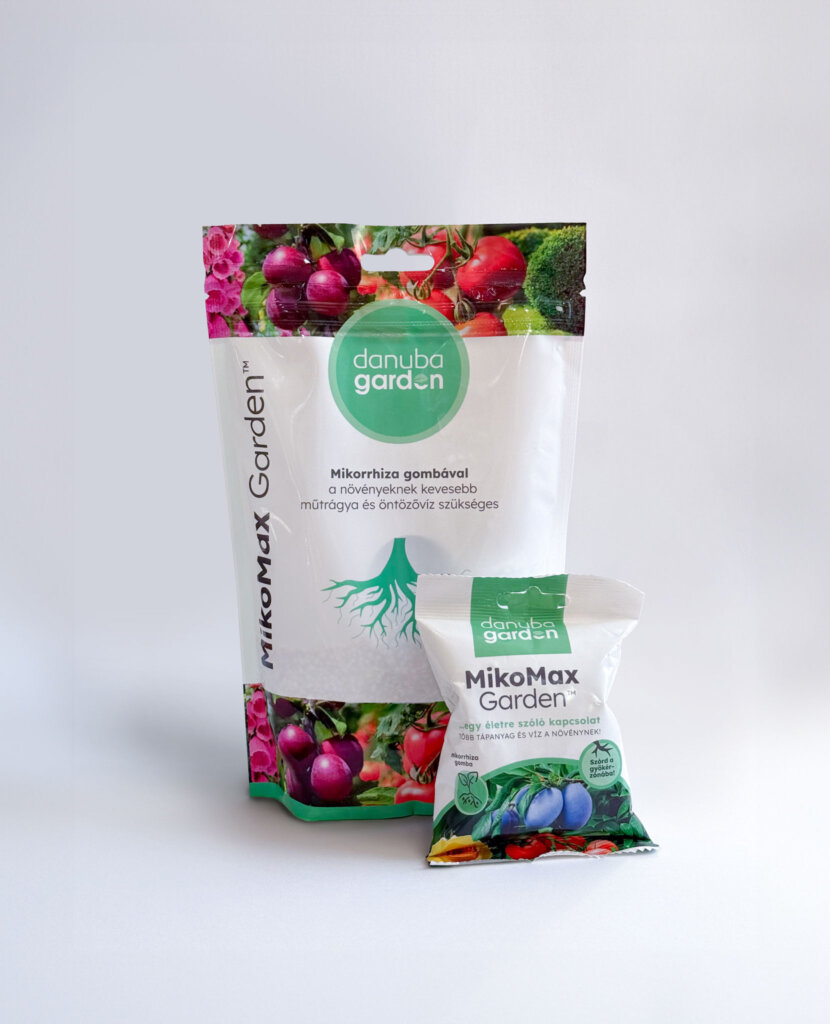
MikoMax Garden and Ino Myc beneficial fungi in our products help the plant to absorb nutrients and water from a much larger surface area. This not only improves the drought tolerance of the plants, but also makes them grow more dynamically. When using MikoMax granules, spread the seed gently over the row as if you were salting a soup. Ino Myc, being a liquid, can be applied at any time after sowing/planting. Calculate 1dl per 400m2 or 2-10 ml per planting hole, depending on its size. For easier application, feel free to dilute with any amount of water.
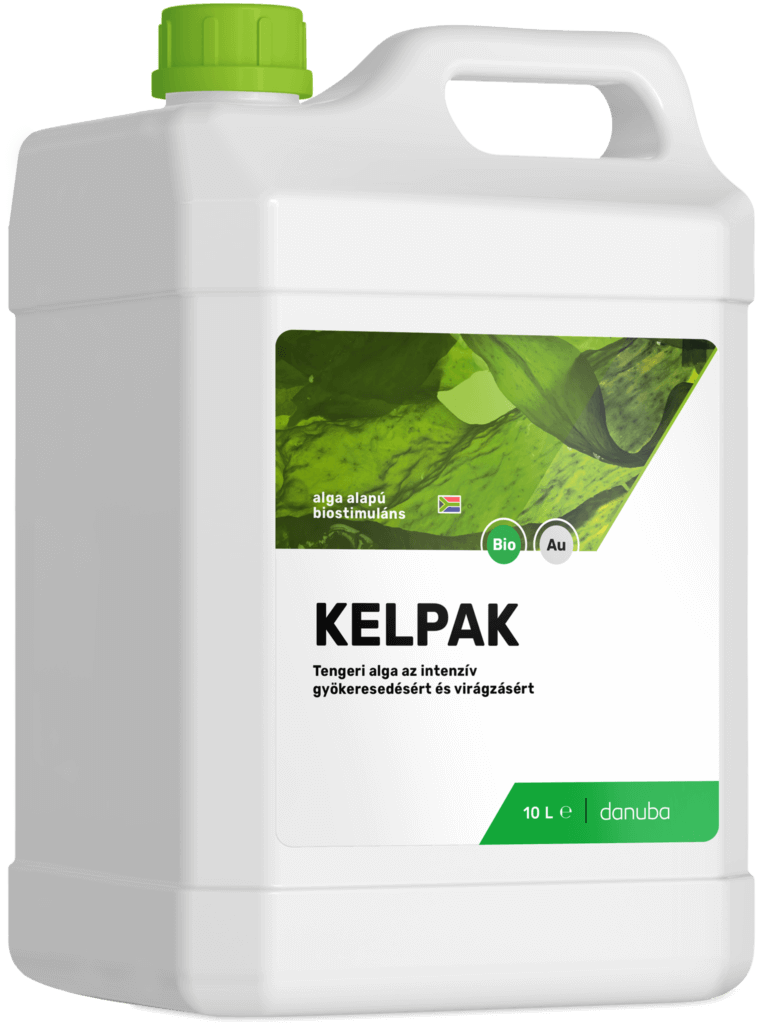
💚 Kelpak (Ecklonia maxima) algae concentrate naturally stimulates root development through an excess of the plant hormone auxin. The micro- and macro-nutrients it contains are easily absorbed by plants, so nutrient deficiencies are quickly remedied. Its betaine content reduces the impact of abiotic stress effects (e.g. heat stress) on plants. Ready-made lipids and polysaccharides provide energy to the plant. Use 1% for irrigation and 2% for foliar treatment, i.e. 1 and 2 dl per 10 litres of water respectively.

 English (UK)
  Magyar