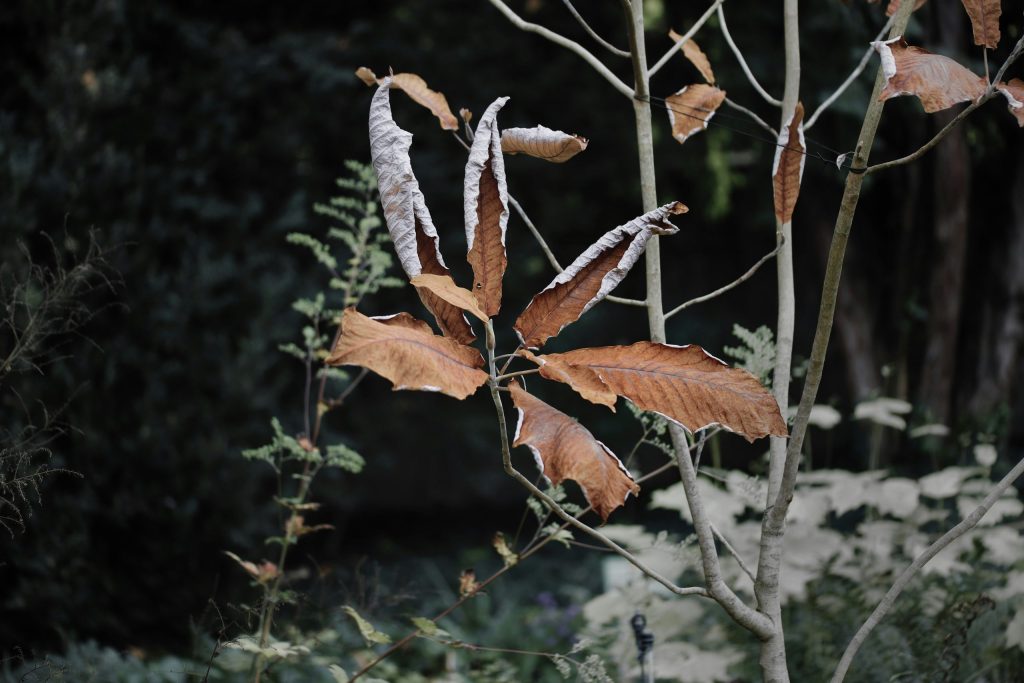
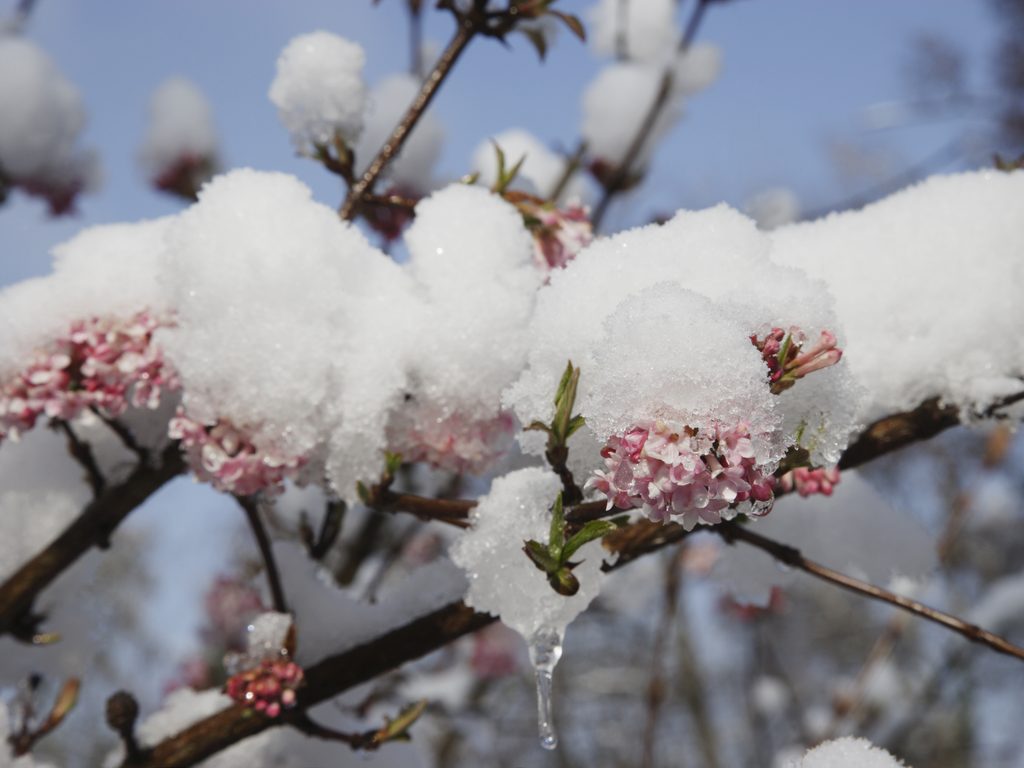
Why is frost bad for our plants?
- When it freezes, ice crystals can form in the cells of plants, which puncture the cell wall, the cell constituents. They destroy the cells
- When ice crystals form outside the cells, they draw water away from the cells, causing the cells to dry out
- Especially in the spring, when the plants are coming back to life and absorbing a lot of water from the soil, so they have a more dilute liquid. This makes our plants more vulnerable
When are plants sensitive to frost?
- The plant is most sensitive when it is in flower
- But frost can also damage young buds that would form flowers/ fruits or new shoots
One of the most natural solutions to mild frosts is seaweed treatment!

How this can help plants
- Seaweeds are high in sugars, polysaccharides and amino acids, which thicken the plant juices, reducing the chance of ice crystals forming
- Seaweed products have a high content of plant hormones (auxin, cytokinin ...), which increase the protection of plants against stresses such as frost
- The nutrient and vitamin content in seaweed helps plants recover faster after frost
Important, that the best results are achieved by spraying these products on your plants 1-2 days before the expected low temperatures. Treatment after frost is also useful, but not as much as preventive control.
What products does Danuba Garden recommend in this case?
Kelpak - South African algae containing Ecklonia maxima
- contains nearly 100 types of bioactive compounds
- high auxin-type plant hormone content enhances root formation and supports flowering
- supporting your plants for nearly 50 years!
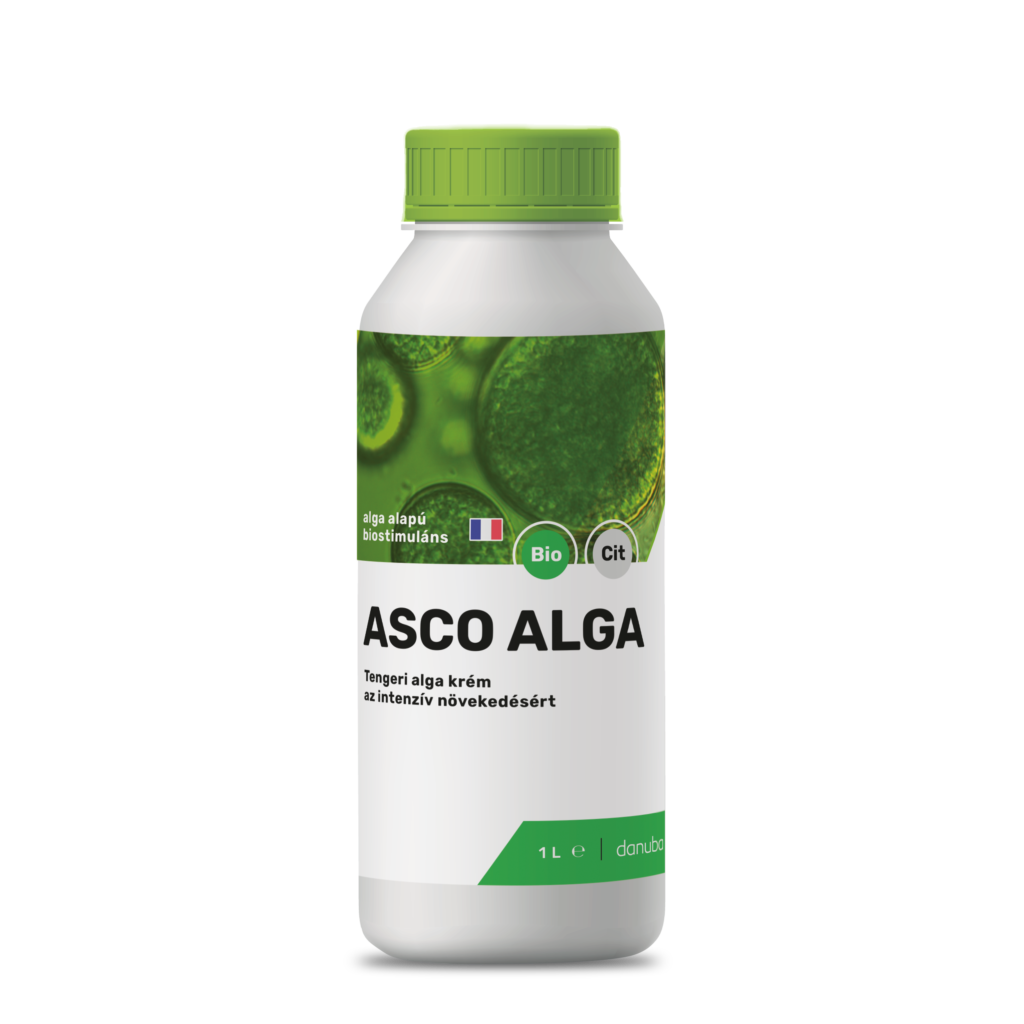
Asco Alga - Containing Ascophyllum nodosum from France (Brittany)
- high content of cytokinin-type plant hormone enhances the growth of your plant
- algae cream with very high active ingredient content
Seaweed products not only support your plants, but also the earth, as these organisms sequester harmful carbon dioxide from the air!



 Magyar
 English (UK)