
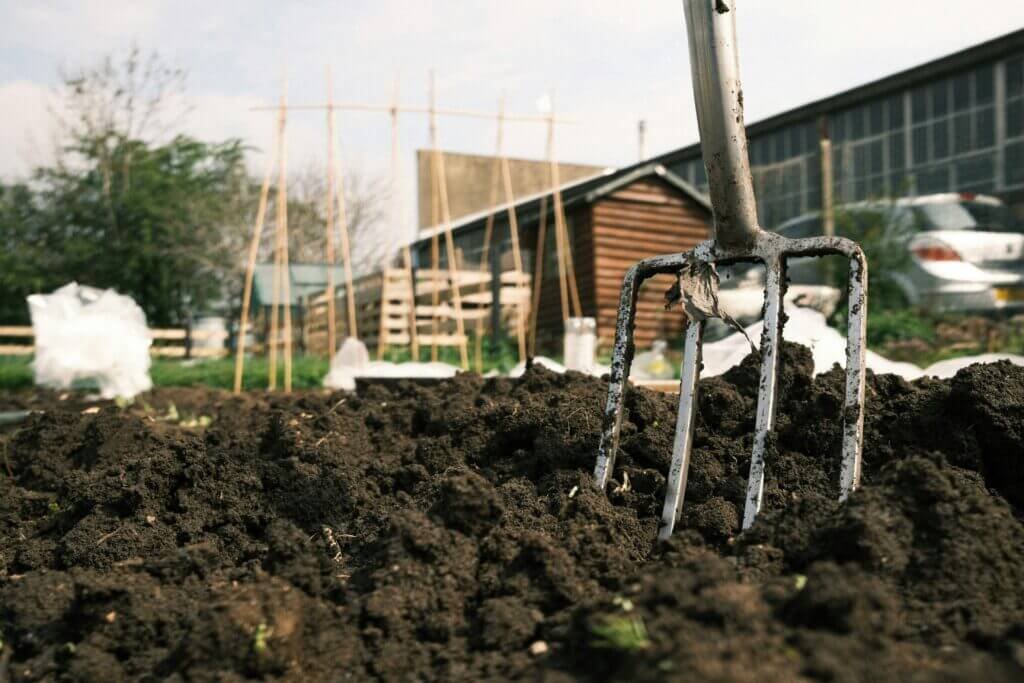
This much-debated issue has come up quite a lot over the last few years, so we'd like to bring together the advantages and disadvantages of digging in your garden.
What are the benefits of digging?
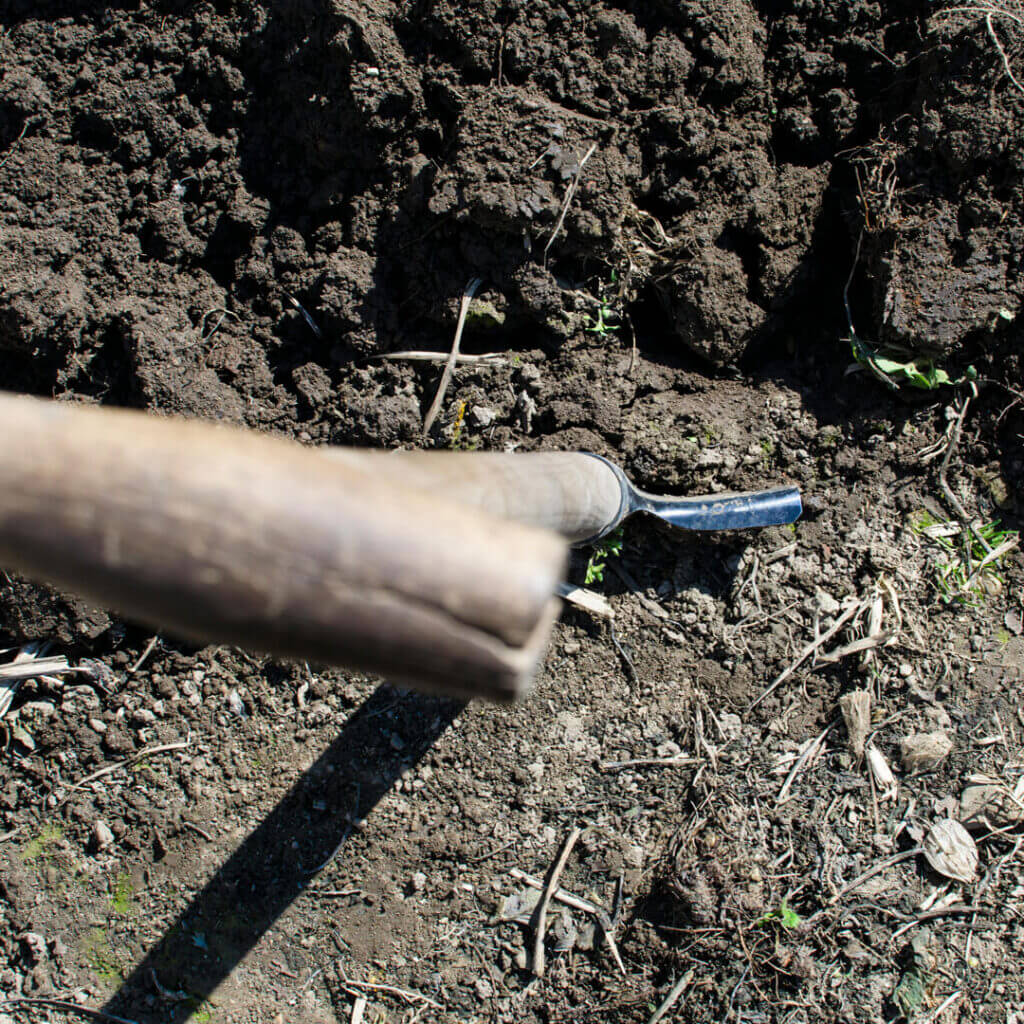
- Soil decomposition: Digging helps to improve the soil structure, loosens it and promotes root development.
- Improving precipitation use: Looser soil is better able to retain water, which is good for plant growth.
- Airing: Digging releases air bubbles in the soil, which improves the oxygenation of the soil.
- Mixing nutrients: Digging mixes the different layers, making nutrients more available to the plants.
- Weed control: Digging can help to remove weed roots, reducing the amount of weeds.
- Deep rotation of infected plant partsto place the pathogenic fungi in unfavourable conditions, so that we can prevent the spores from dispersing and prevent them from growing.
What are the disadvantages of digging?
- Soil erosion: Digging can disturb soil stratification, which can lead to erosion, especially in sloping areas. During erosion, wind and water carry away the top layer of soil, reducing the nutrient and humus content of the soil, and degrading the soil structure, thereby significantly reducing soil fertility. Clearly, erosion does not occur in a year, but rather over decades.
- Harm to micro-organisms: Digging can disturb beneficial soil microorganisms that are important for maintaining soil health. Bacteria or fungi that thrive at a depth of 5 cm do not thrive at a depth of 15 cm. Soil micro-organisms, especially fungi, are needed to build good soil structure e.g. the glomalin protein secreted by mycorrhizal fungi is what binds soil particles together, making the soil friable.
- Digging dries the soil, which can also be fatal for soil microorganisms.
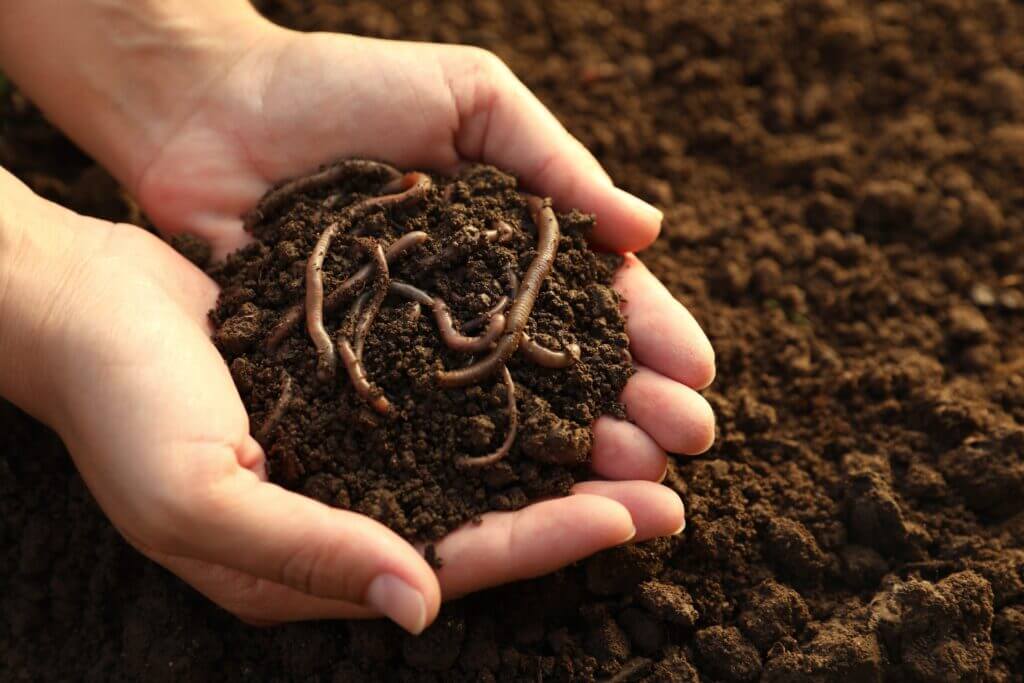
- Destruction of wormholes: The established passages are destroyed, they can start their useful work again.
- It can damage the roots: Digging can easily damage the roots of existing plants.
- Resurfacing of weed seeds: The nature of the soil is that it always tends to cover itself - as you can see in a forest - to protect itself. On uncovered soil, the same thing happens: weed growth starts immediately. The weed seeds that have been dormant up to now are dug up and quickly germinate to cover and protect the uncovered soil.
- Energy and time requirements: Digging can be a time-consuming and physically demanding activity, especially in large areas.
💡 While there are undoubtedly benefits to digging, it is worth considering the long-term consequences!
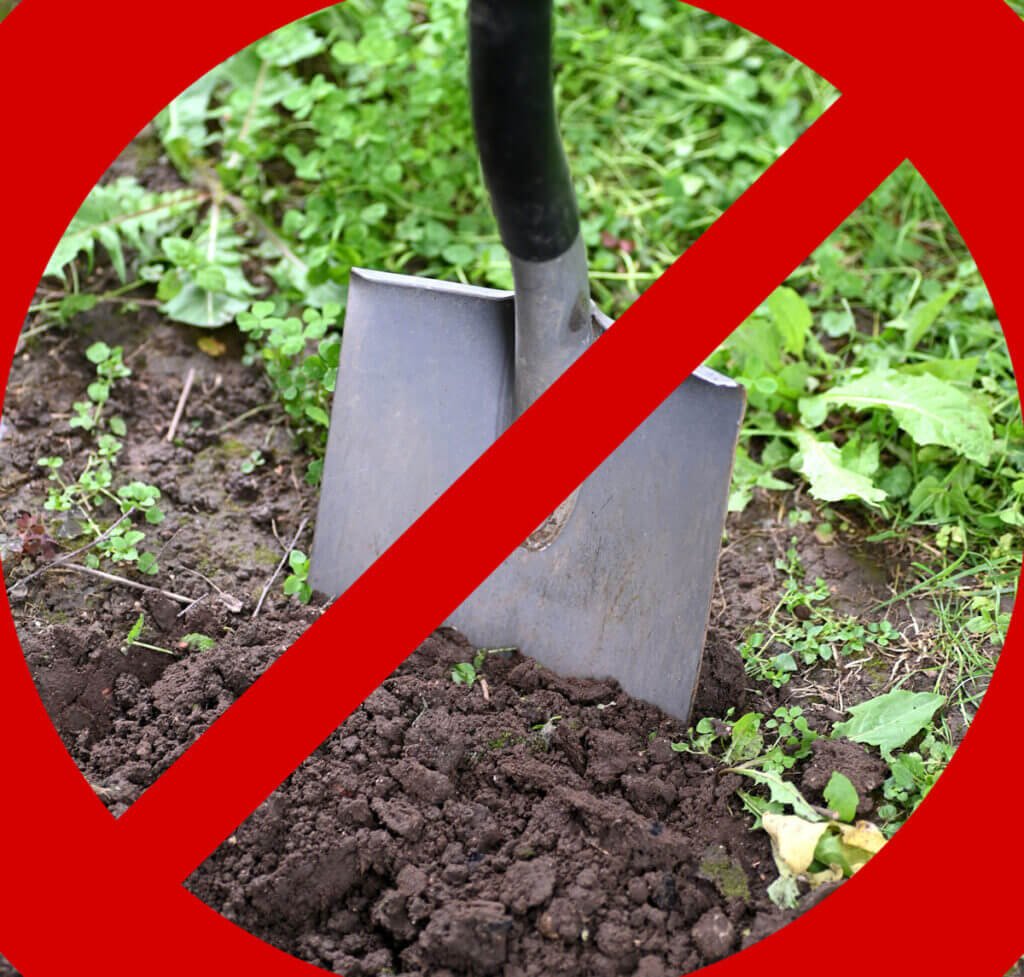
Use judiciously, where justified. Do not dig (No Dig method), compost and mulch will automatically restore the natural system in about 3 years: the soil structure will improve, the number of micro-organisms will increase, the water retention capacity will improve and the health of our plants will improve.
What other Danuba Garden products can improve the condition of our soils?
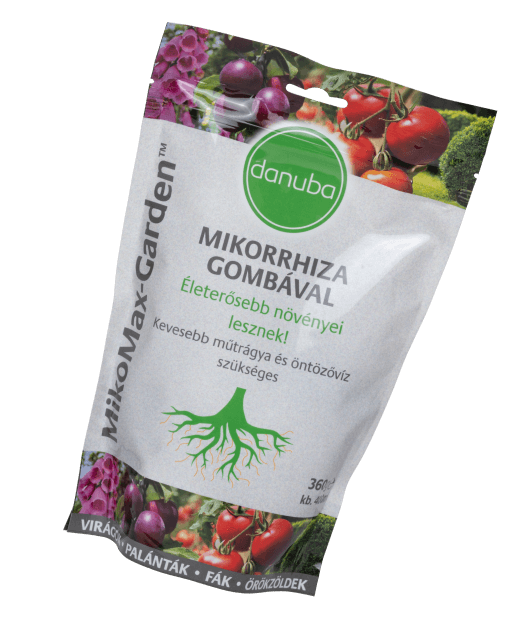
1. Application of microbial fungi: Although mycorrhizal fungi are naturally present in healthy soil, it never hurts to enrich and diversify it! We recommend Mikomax a mycorrhiza formulation containing 6 strains of fungi, so that whatever thrives in any soil type can multiply.
2. Use of bacterial preparations: we also recommend two products for your attention.
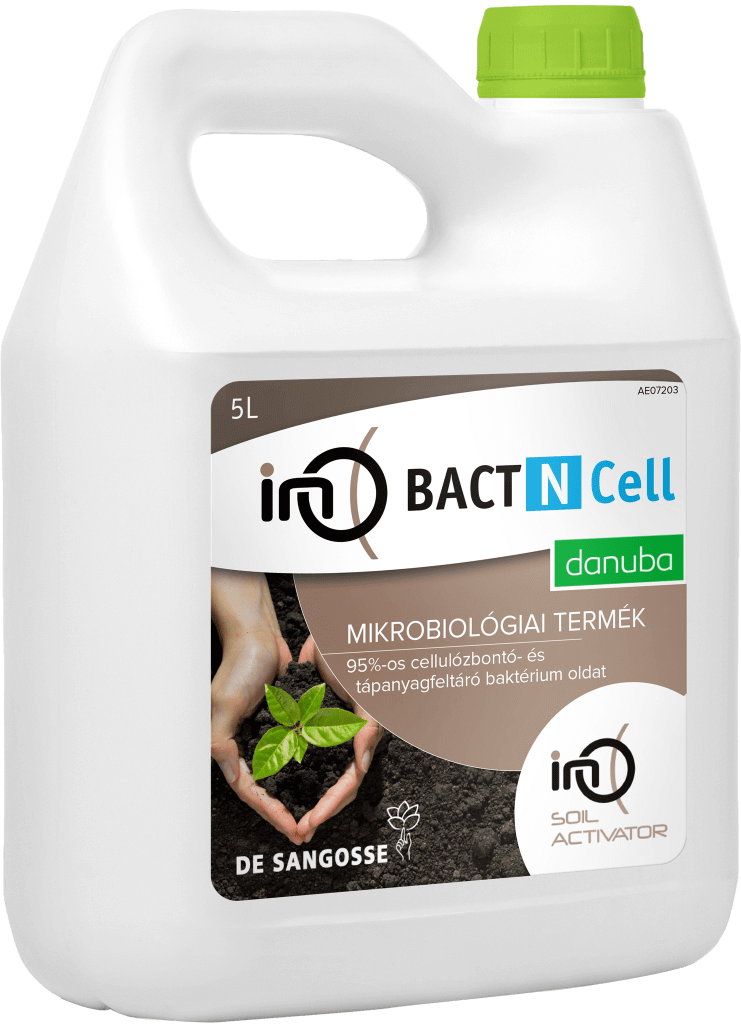
- Ino Bact N-Cell: is a preparation containing nitrogen fixing and cellulose breaking bacteria that not only facilitates the decomposition of plant cellulose, i.e. composting, but also enriches the soil with nitrogen. In this way, the nitrogen needed for the composting process will not be taken from the soil by the bacteria, but will be produced by the bacteria themselves. This avoids the so-called pentosan effect (temporary nitrogen deficiency).
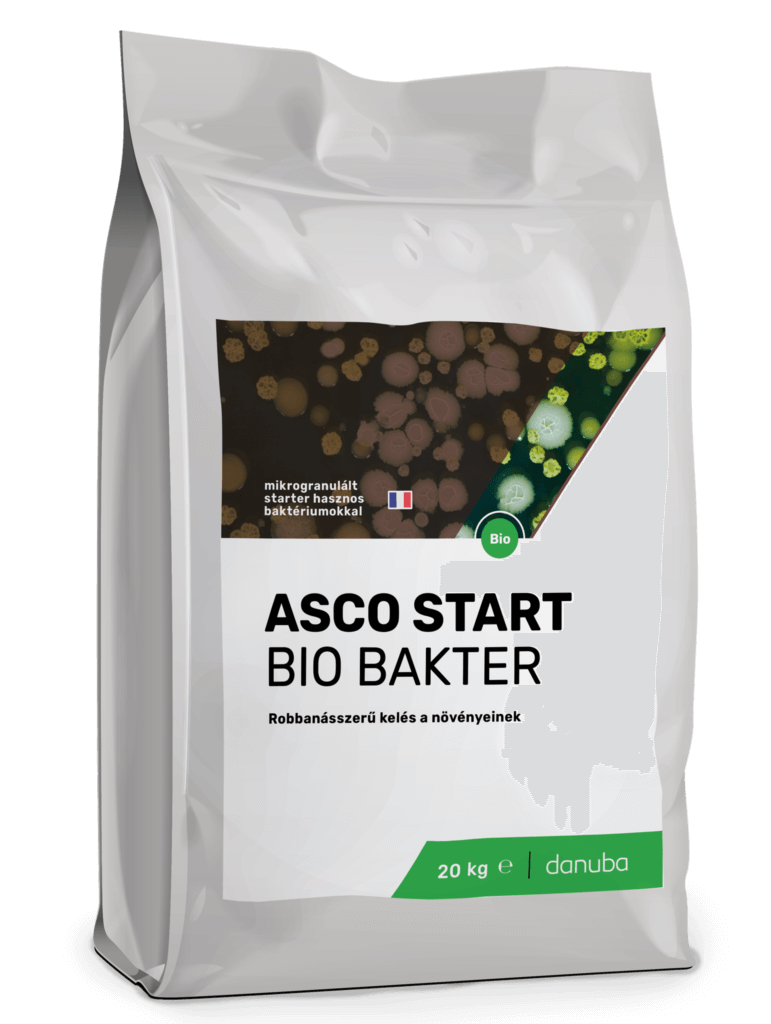
- Asco Start Bio Bacteria: an organic rooting micro-granulate containing 3 types of beneficial bacteria. Soon available in 1 kg packs!
3. Increasing the humus content of the soil: The more organic matter we enrich it with, the better! It can be animal composted or granulated beef or chicken manure, ready-to-use plant compost from a good site (2-3 years old), or humic acid, which is also a plant source of humus that has decomposed over millions of years. For this diverse source, we recommend Danuba Blackjak liquid humus.
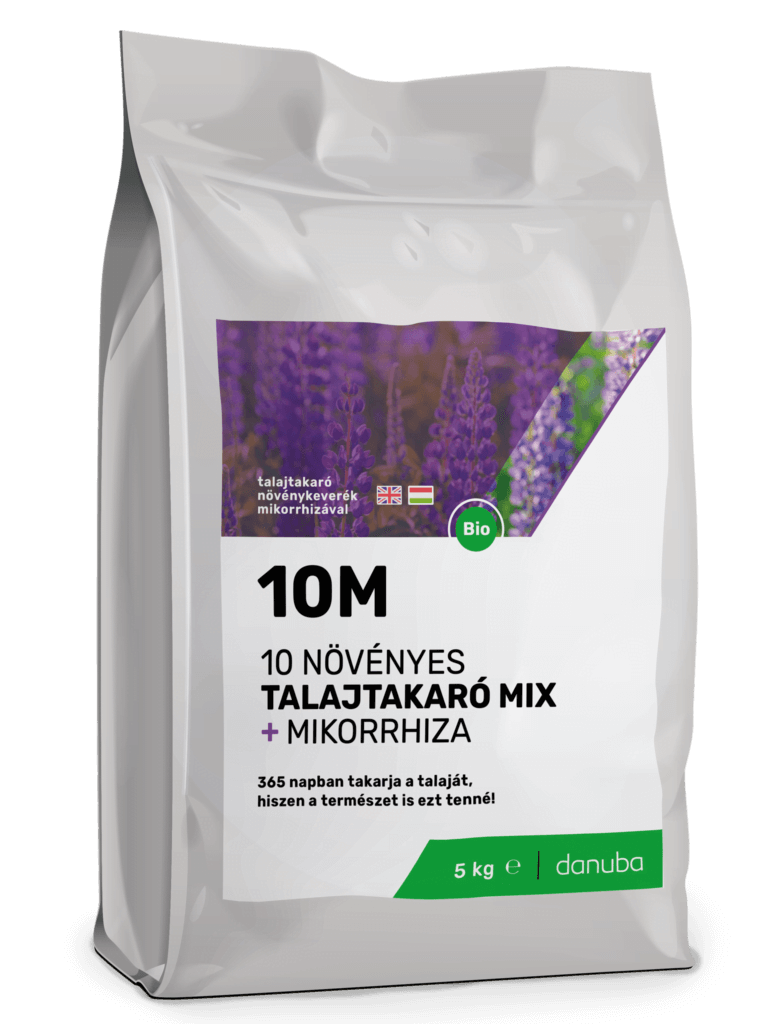
4. Sowing cover crops for winter or in spring in a row: Here again, the key is to increase diversity. 10 M Our mulch seed mixis enriched with mycorrhiza. This not only provides perfect soil coverage, but also loosens the soil with the varied root structures of the different species, promoting better soil structure. It provides pathways and food for beneficial soil-dwelling organisms and a habitat for mycorrhizal fungi.


 English (UK)
  Magyar