

Last week, Ferenc Herold, author of the Hortenzia handbook, raised many questions on social media that we are all concerned about.
Indeed, more and more biological products, biostimulants, are coming on the market, whose composition, effects and use can confuse the consumer. It is very difficult to navigate through the many - sometimes contradictory - pieces of information. In this blog post, we try to answer or give our opinion on just a few questions that often arise in our discussions.

An extract from the Facebook post
Why add fungi and bacteria to soil that are already present in nature, in a good environment? Why the extra?
In an ideal environment, which resembles nature at its best, it is completely superfluous, because it has what it needs to be there. But the reality is that we don't usually start a garden in an undisturbed environment, but try to create a miracle on a heavily degraded, disturbed by machinery, sometimes gutted soil (regularly dug, rotated, fertilized, treated with various chemical pesticides), from which we mostly just pull out, take away or, in the worst case, burn the organic matter. We are upsetting the natural balance, in fact, by gardening we have already interfered with nature. In this environment, we can imagine what soil life might be like.
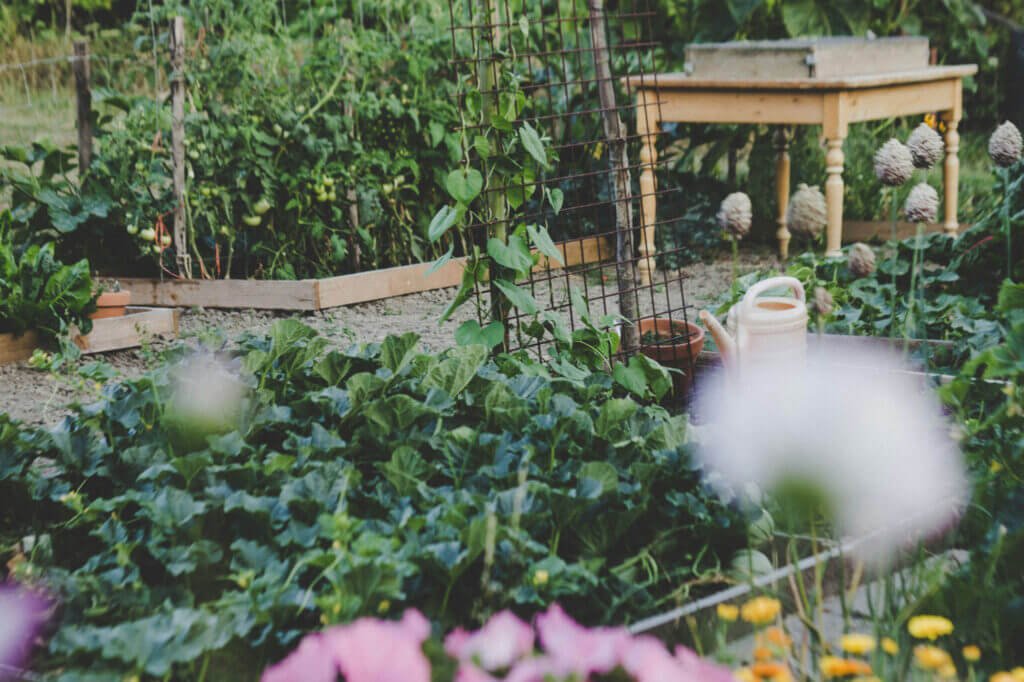
If we leave our gardens alone, in 10-20 years an equilibrium can be reached and no intervention will be necessary. Whether that balance will be to our liking is not certain 😁 Of course there will be years when some of our plants will be almost completely destroyed by fungi or insects, but something else may grow there 😁 but today's rushing human beings don't have 10-20 years for that natural balance. We don't even want to see that the plants we plant may die in the first year. But if they survive, it doesn't matter how they grow, or what materials we use to do it.
I wonder what effect these materials, taken from nature, will have in our gardens, where they were not there before?
To this, microbiologists say:
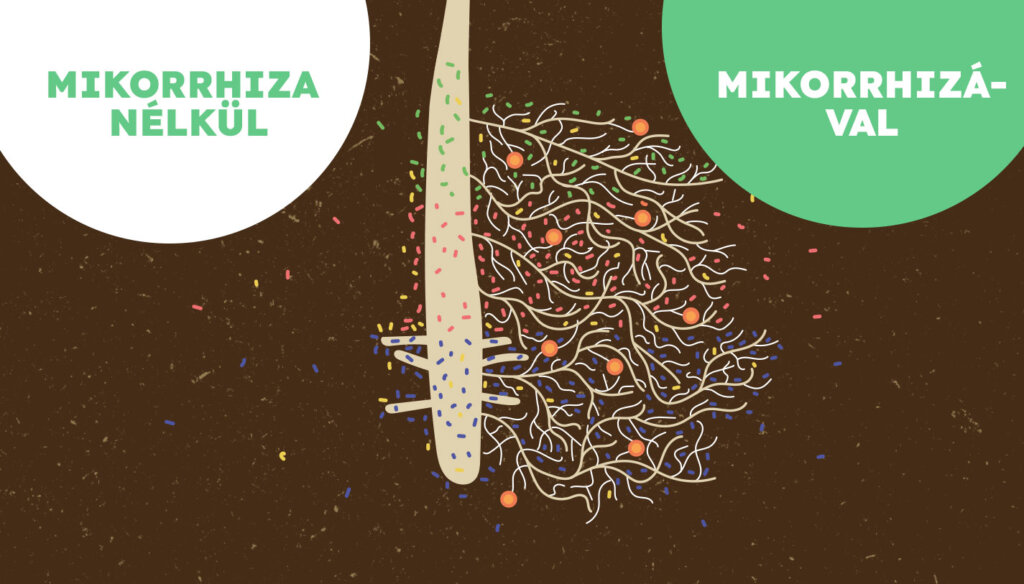
- Bacteria and fungi used in the right proportions can help to rebalance the microbial community, just like probiotics in humans.
- if the natives outcompete those introduced from outside, then this inoculation will increase the number of natives, which is positive
- by the way, with wind, rain, airplanes, export-import products, etc., these microorganisms are constantly coming and going. We also have more non-human cells (fungi, bacteria...) than human ones.
Why do we keep talking about stress management and prevention?
Because our climate is changing, much faster than we thought. Plants - like humans - will adapt over time: species disappear, others come in, transform. We have to think much more about what we plant and where we plant it than we used to. Or, until they acclimatise, the ones we already have sometimes need to be - sensibly - reinforced against e.g. prolonged drought, sudden heavy rainfall, extreme UV and air dryness. Furthermore, much more attention needs to be paid to soil protection than has been the case so far.
Of course, ideally, nature will sort all this out on its own. But why not help our plants if we can prevent them from suffering. After all, do we humans also try to eat healthily, exercise and enrich our gut flora with various probiotics for preventive purposes?
How environmentally friendly is the production and transport of these products?
The raw materials for our products are renewed in 90%:
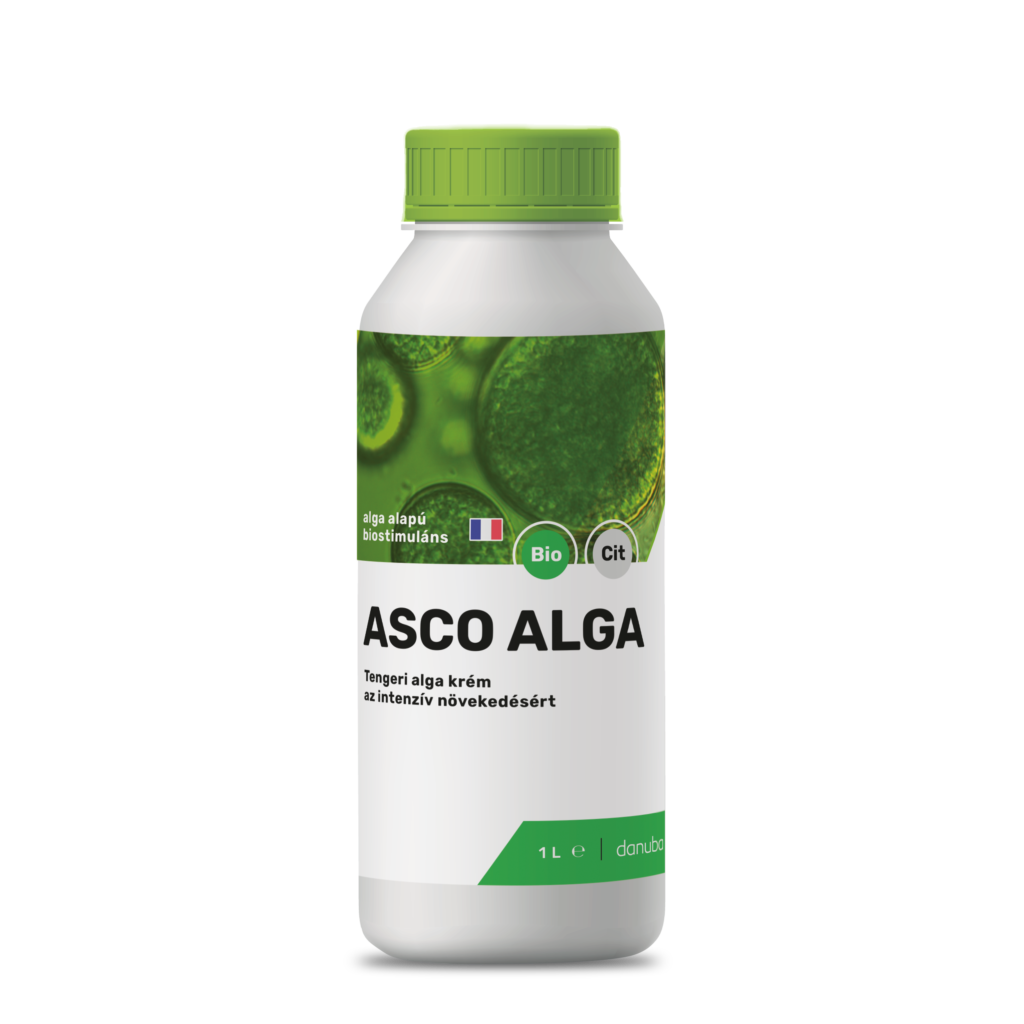

- the chitosan (Softguard) are made from crabs, or more precisely from their "waste", and more recently from mushrooms
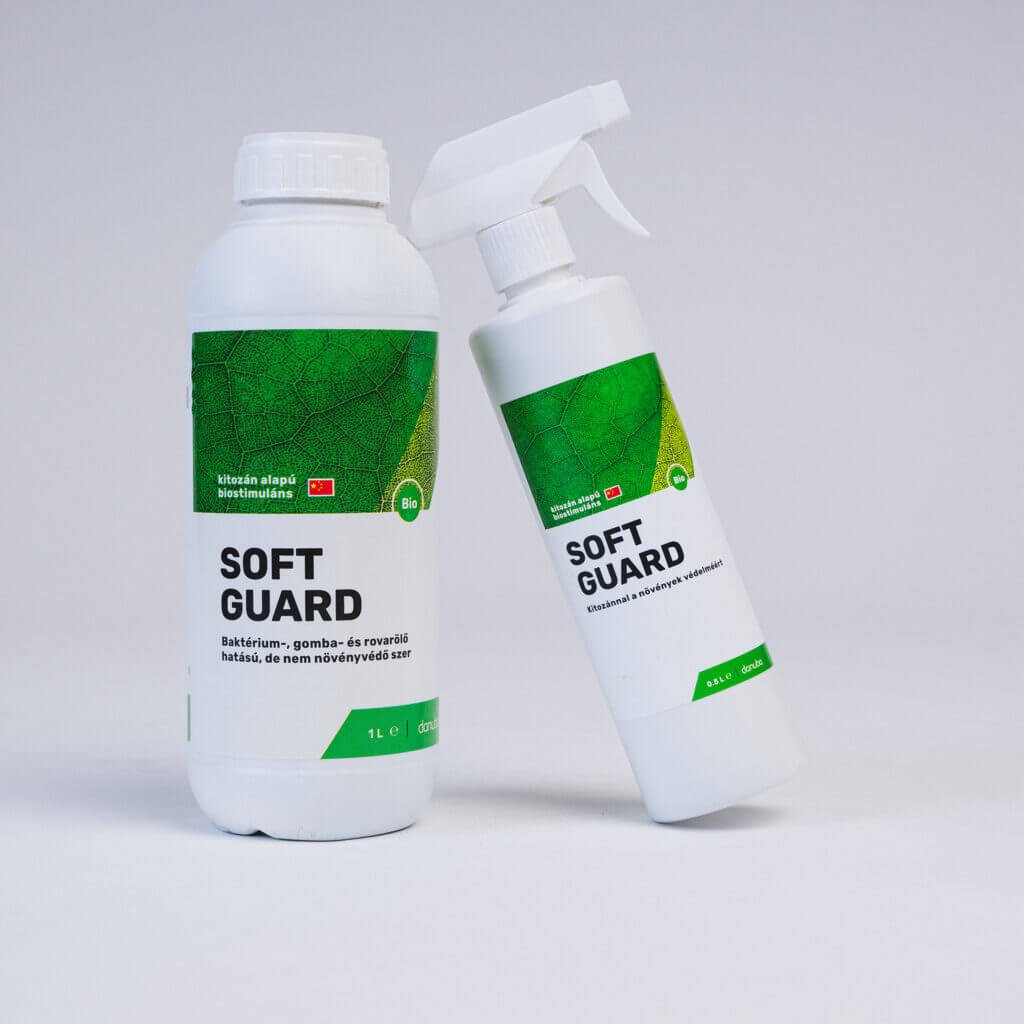
- our blanket plant (10M Seed mix with mycorrhiza), as it is produced by a Hungarian seed company

- mycorrhiza has been on Earth for more than 400 million years. It looks like humanity will be extinct before this fungus. Find out more about the about the world of mycorrhizal fungi, HERE!
- the raw materials for our bacterial and fungal products are also constantly being produced
- silicon (Ino Si) is the most common element in the earth's crust
- alone in the Blackjak the base material is leonardite, which is constantly being used up, but it will last for about as long as there is oil, because they were born at a similar age
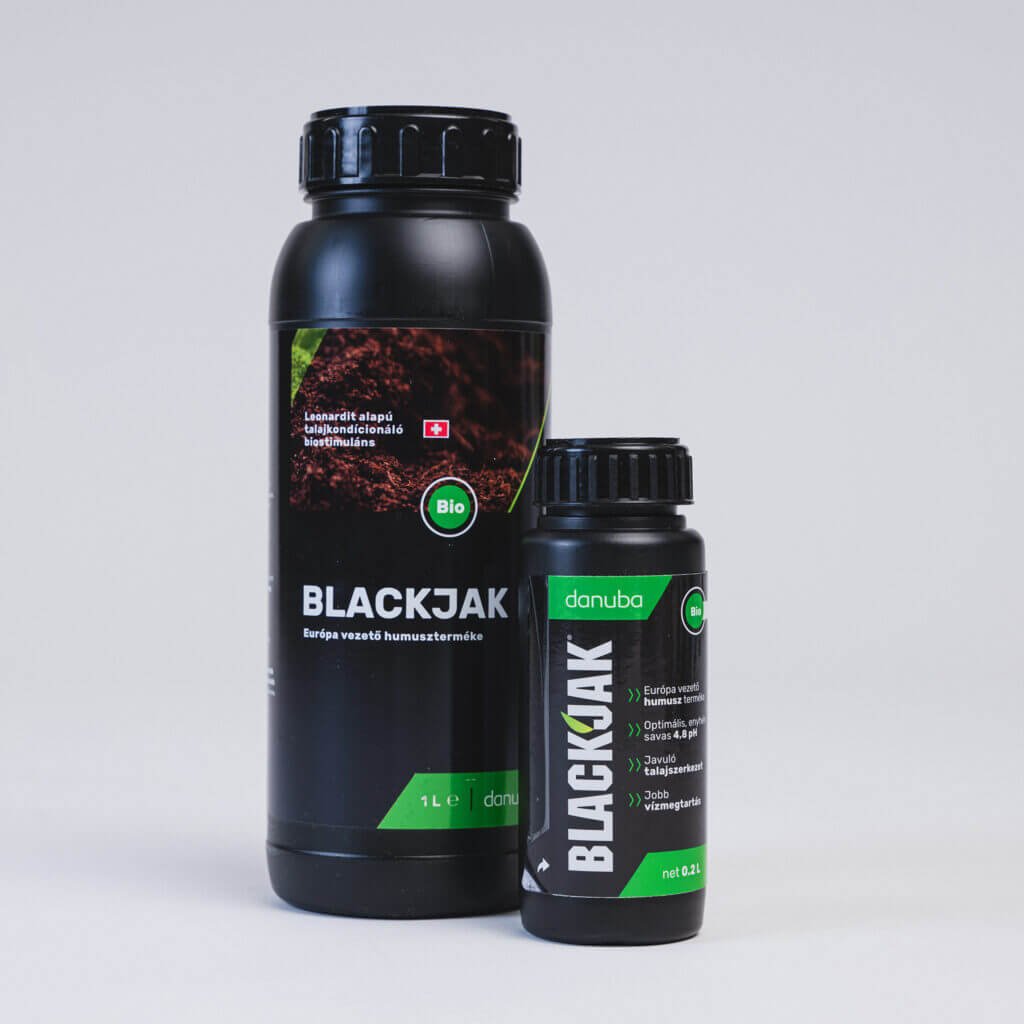
These substances come from nature, unlike fertilisers and chemical pesticides. Transport is another matter, it is no more environmentally friendly than the transport of any commercial product. If it were possible to produce or mine these super raw materials locally, we would choose to do so, but we have not yet found a better way.
🤔 Makes you think, doesn't it? We think there is no perfect answer to these questions. You can only choose between better and less good solutions.
 English (UK)
  Magyar