
🥦 There are vegetables - but nutrients too?
Remember when your grandmother said: "Eat spinach, it makes you strong!"
Well... maybe That was true in '50 - but in 2025, spinach is more likely to be set on a plate.
This is no joke: research shows that the nutrient content of fruit and vegetables has been dramatically reduced in the last 50-80 years. But why have modern vegetables become so "empty"?
Here are some real data (Australian CSIRO study 1948 vs 1991) And not even 2025...
| Vegetables / Nutrients | 1950 (mg/100g) | 1999 (mg/100g) | Change (%) |
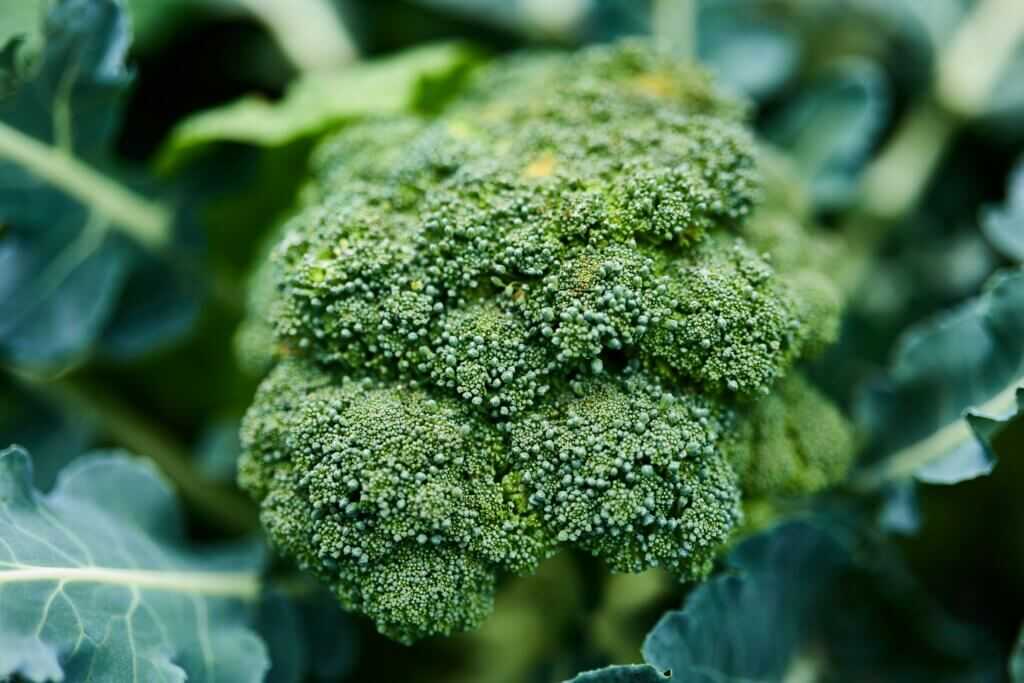
| Broccoli - Mg | 160 | 29 | -81.9 % |
| Apple - Vitamin C | 25 | 5 | -80 % |
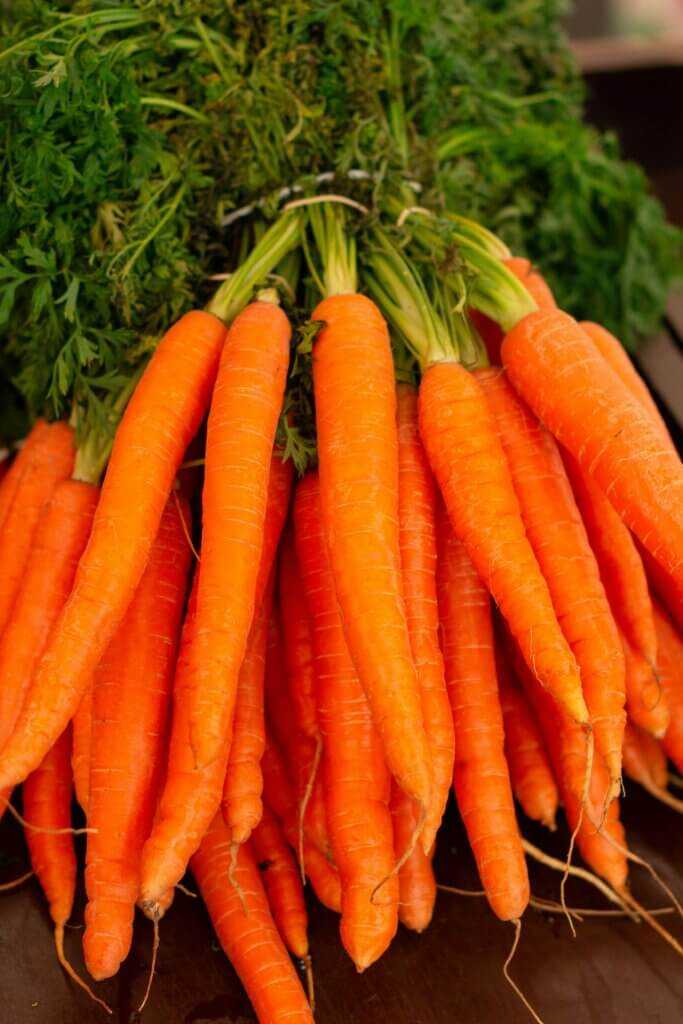
| Carrots - Vitamin A (IU) | 27,000 | 2,000 | -92.6 % |
| Potatoes - Iron | 2.0 | 0.5 | -75 % |
Tests have shown that hybrid tomatoes are superior to traditional ancestral varieties:
- calcium - 63 %, magnesium -29 %, vitamin C -72 %, lycopene -58 % and 56 % less polyphenols.
The problem is complex: not only agricultural practices, but also species selection, climate change and methodological differences play a role.
What happened to our vegetables?
🌱 1. Depleted soil
The land is cultivated continuously without rest, so the soil is depleted of minerals. And if the soil has no nutrients, the plant cannot absorb them.
🧪 2. Materials used in production
In modern, large-scale agriculture, often only NPK fertilisers are used, but micronutrients (e.g. zinc, selenium, molybdenum) are rarely used, and organic fertilisers even less so.
🌽 3. Reduced the varieties used in production, their breeding is often "inbred"
Plant breeding in recent decades has been aimed at worldwide goals that make production more economical, increase shelf-life, ease transport, make them more beautiful and perfect, and not least, make them better for the palate. More important than that, they want to produce more seeds and produce them more cheaply, because that generates more profit. Did you know that 2/3 of the hybrid seeds available in the world are produced by only 4 large multinational companies? This reduces biodiversity so much that it has unpredictable ecological consequences. Fewer species and varieties, more pests and pathogens, which makes it very difficult to grow successfully without chemical crop protection. And did you know that 3 of these 4 companies also produce pesticides?
🚛 4. In order to serve the world market, fruit and vegetables are often are harvested immature and transported far away. What's wrong with that? The vitamins are developing as they ripen.
😲 Did you know?
According to one study In 1948, 1 head of broccoli had enough magnesium, as today 5-6 heads together!
Spinach vs. Popeye? Today we you should eat two kilosto be as strong as him - and you'd still rather be an anaemic Hulk.
✔️ What can you do?
✅ Shop seasonally and locally!
Fresh, ripe vegetables are much more nutritious. It's worth buying from organic farms, food cooperatives and controlled places, and choosing what's in season in shops.
✅ Choose old varieties!
Although conventional (non-hybrid) varieties produce fewer crops, but more real value.
✅ Termite at home!
It's not the easiest thing to do, and not everyone has a balcony, raised bed or garden, but you can start with a herb growing in a pot on a windowsill. It's worth a try!
✅ Don't just eat green!
Legumes, seeds, fermented foods - often have more nutrients than modern lettuce.
+ 1 ThoughtA: How about a scanner in the shops to check the nutrient content of each vegetable? It's not such a distant future...


 English (UK)
  Magyar