
Of all the animal and plant species currently living on Earth, roughly 1.5 million are known to science. Insects make up the largest proportion of this, about 1 million. But the actual number of species is up to 5 times larger, and some sources say up to 10 times larger. In recent decades, more and more studies have been published to raise public awareness of the rapid decline of insects in our environment. In the UK, for example, it has been observed that the number of insects covering car number plates between 2004 and 2022 Reduced by 64%. A 27-year study (1989-2016) using malaise traps in nature reserves in Germany shows that the biomass of flying insects 75-82 decreased by %.
What causes pollinators to decline?
The main reasons are:
- Habitat loss intensive agriculture and urbanisation. Hungary covers 9.3 million hectares, of which 5.1 million hectares are agricultural land.
- Chemical use - pesticides and fertilisers that harm not only insects but also their food sources.
- Climate change - extreme weather events, bad spring or summer weather (e.g. cold, rainy spring), which block insect activity and development.
- Light and noise pollution, invasive species, diseases - are more complex, but also play an important role.
Although gardeners are usually attracted by some kind of plant pest, for today's wildlife and for us, one of the most important insect activities is pollinating flowering plants. In fact, ¾ of our cultivated plants require insect pollination. For our eco-sustainability, it is important to get to know them and how we can help them to survive.
Most pollinators come from 3 major insect groups
a) Bees
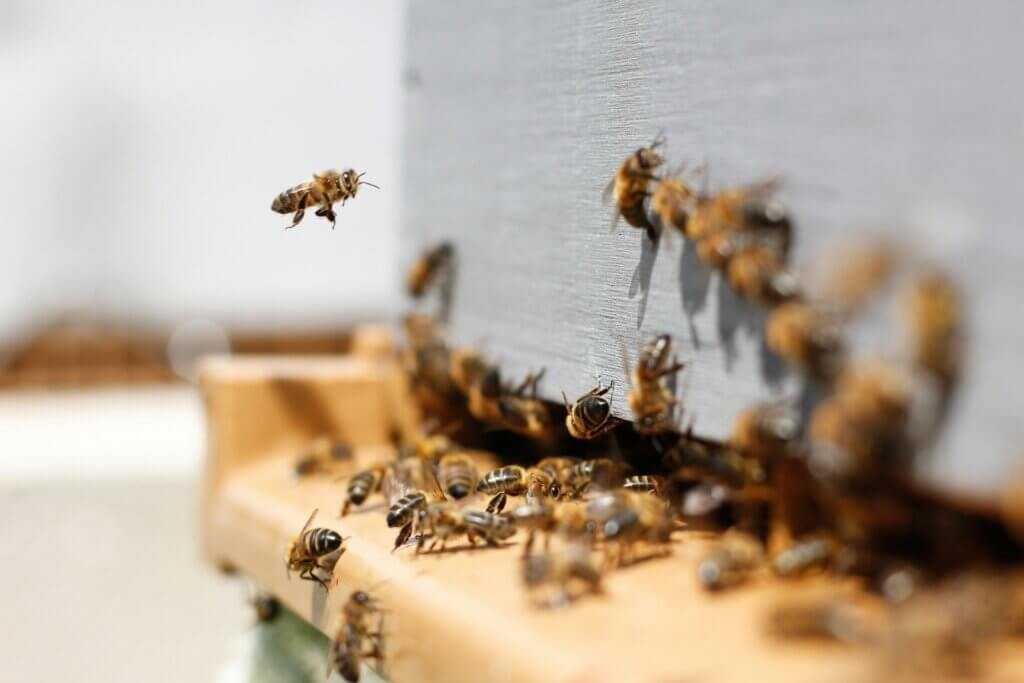
- Domestic bee - a species long domesticated for its honey production. But it is also the most common pollinator. In our country there may be 1.2 million families. The best way to support its survival is to buy honey products from producers.
- Posters - have been exploited recently, and are kept specifically for pollination in our indoor growing facilities, where external pollinators cannot enter. Their cold tolerance is better than that of house bees.
- Lonely bees (e.g. mason bees, carpenter bees) - often more efficient than house bees, but less conspicuous.
b) Butterflies
- With their long thymus they can dust even deep calyx flowers.Unlike bees, many species fly at night.
c) Flies
- They play a dominant role in cooler or high mountain habitats.The best-known flower flies are the flies of the flies. But a significant proportion of the group are predatory in larvae, so they also help to control aphids, for example. One larva can consume up to 900 aphids before it is pupated.
- Flies are much more attracted to the yellow sticky flaps than other pollinators. We also use the yellow cards selectively, if we see a lot of zengle flies in them, we should remove them for a few days. Their drawing will wear off quickly.
What can you do for pollinators in your garden?
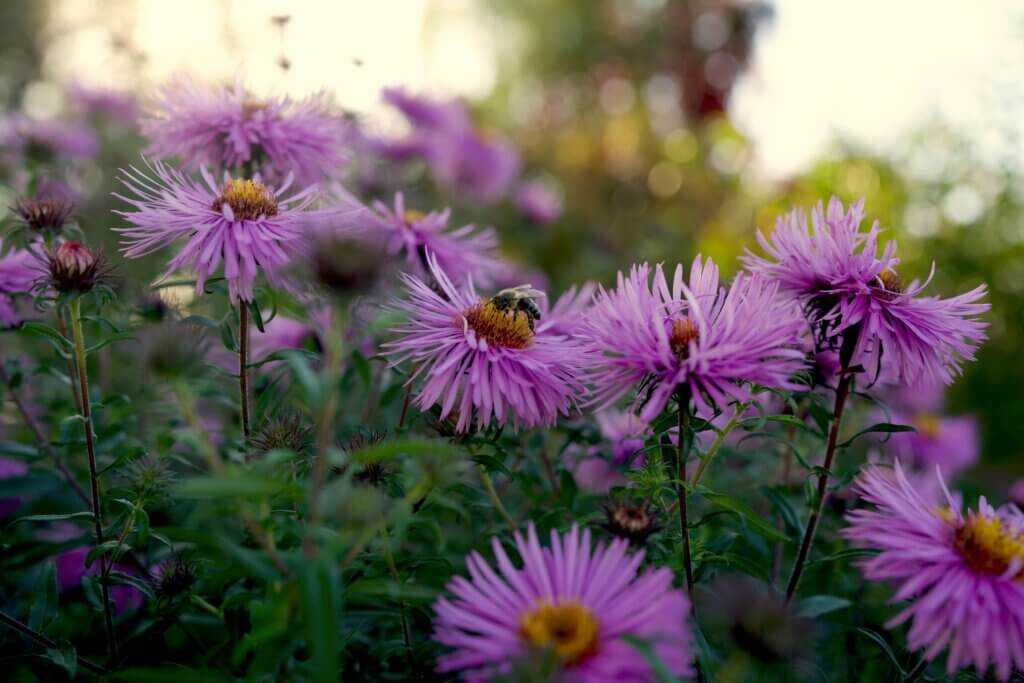
1. Plant pollinator-friendly flowers
Important principles:
- Grow flowers from spring to autumn (nectar and pollen all season long).
- Select from simple flowers (not full flowered varieties, they have little nectar).
- Give preference to native plants, which local pollinators do well with.
2. Put up bee and insect hotels
- Solitary bees (e.g. solitary moth bees) like to nest in reeds, hollow logs and bricks.
- Important: be in a sunny place, protected from the rain, about 1-1.5 metres high.

3. Don't use chemicals!
- Pesticides, especially insecticides are dangerous to pollinators. In some parts of China, the situation has become so bad that some orchards have to be pollinated by hand, using brushes.
- Choose natural plant protection (e.g. SoftGuard, wood ash, manual weed control).
- If you really have to spray: early morning or late eveningwhen most insects are not active.
4. Give me water
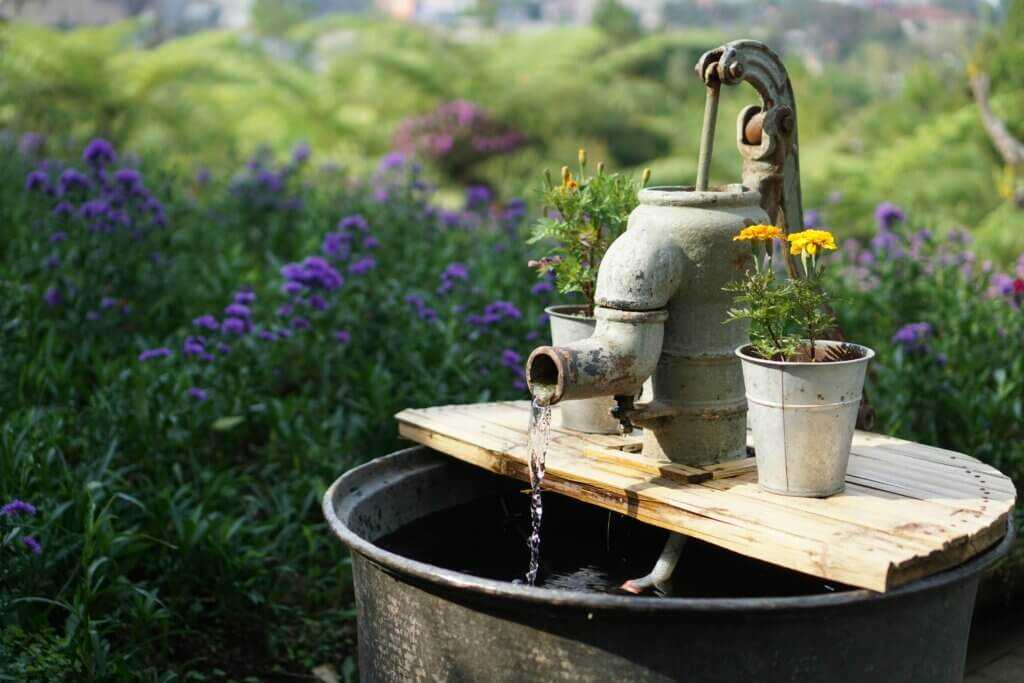
- In our increasingly dry summers, they too thirsty.
- Put me out shallow water bowl, in which you put pebbles or moss islands so they have somewhere to land.
- But a relatively permanent mud puddle also attracts both bees and butterflies.
5. Don't want too "clean" a garden
- The "sterile", over-mown garden provides little food and shelter.
- Leave some of the fallen leaves, drying stems, fruits - these are important for overwintering or even for reproduction.
Product recommendation
Why SoftGuard?
💚 SoftGuard the active ingredient in our product is chitosan, which is actually chitin cut into smaller pieces. It is mainly made from the chitin of crabs, so it is a natural substance compared to chemicals. Since chitin does not occur in plants (unlike fungi and insects), it is perceived as a foreign substance and generates an immune response. In this way, chitosan enhances the plant's defence system. This means that it activates dormant genes on the chromosome that are only needed in this specific "fighting" situation. It is harmless to our pollinators.
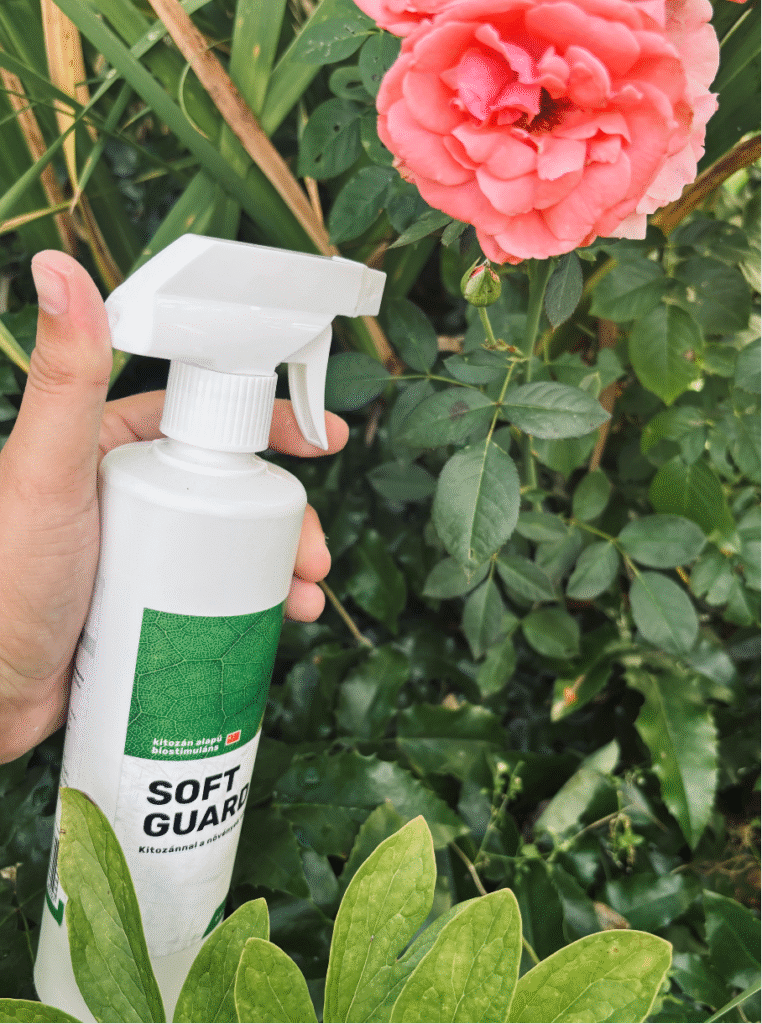
To dispense, mix 2dl in 10l of water or choose the premixed 0.5l version. Spray judiciously, i.e. use on plants where initial infestation has already occurred or is expected from previous experience. Too frequent treatment may backfire as the plant may become accustomed to it and may not respond in the event of a subsequent real attack. Wait at least 2-3 weeks before repeating.
 Magyar
 English (UK)