
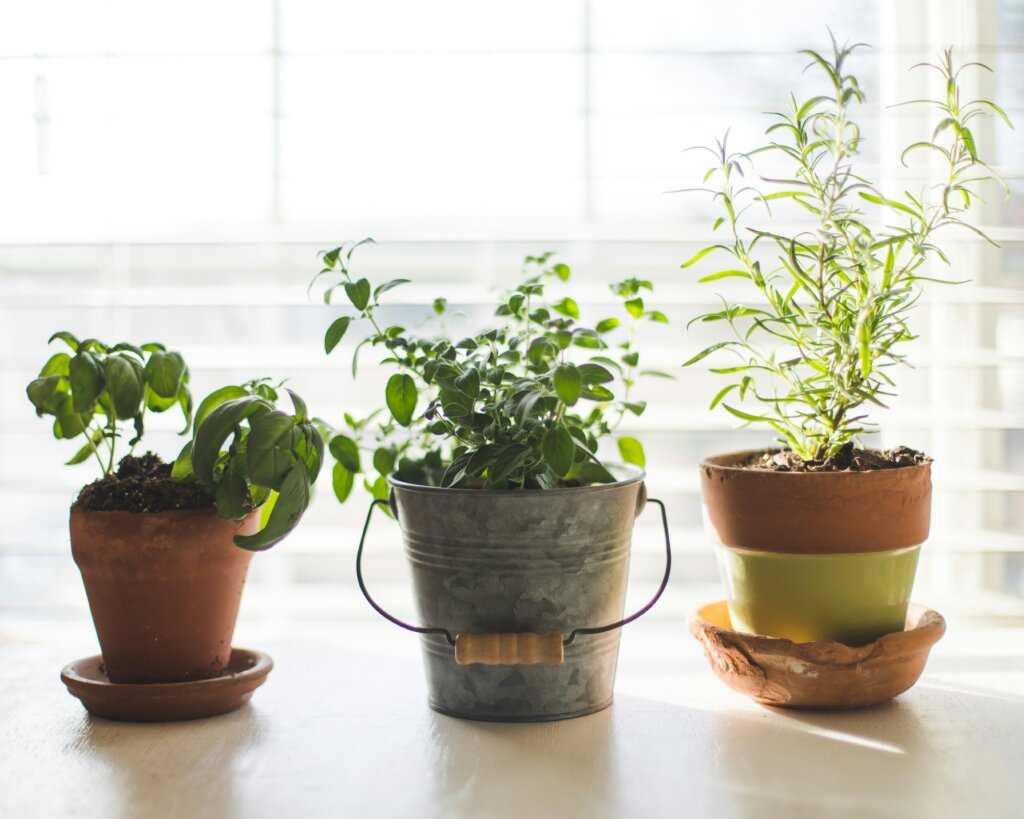
With the onset of autumn, our bodies face greater challenges: cooler mornings, windy days, less sunshine and more rapidly spreading colds in public spaces. It's a good time to turn to nature, as a number of herbs can help prevent or alleviate symptoms. Moreover, these herbs are nowadays increasingly available in gardens. As long as there are fresh shoots of them, all you have to do is harvest them.
💡 Did you know that several of Danuba Garden's products have an effect on herbs?
💚 mycorrhizal fungi can influence the efficacy of medicinal plants in several ways (for example, experiments have shown that they increased the essential oil content of marjoram and the number of flowers in marigolds) Dr. Tünde Takács, Head of the Soil Biology Department of the Soil Biology Institute of the HUN-REN Agricultural Research Centre, talks about these in our podcast (from 3:21min)
💚 Tricho Immun biostimulant effect can be seen in the pictures in organic lemongrass plantation at application and after 2 weeks. Not only have the plants grown larger, but the symptoms of septoria leaf spot, which so often attacks lemongrass, have been reduced.


Lemongrass before and after
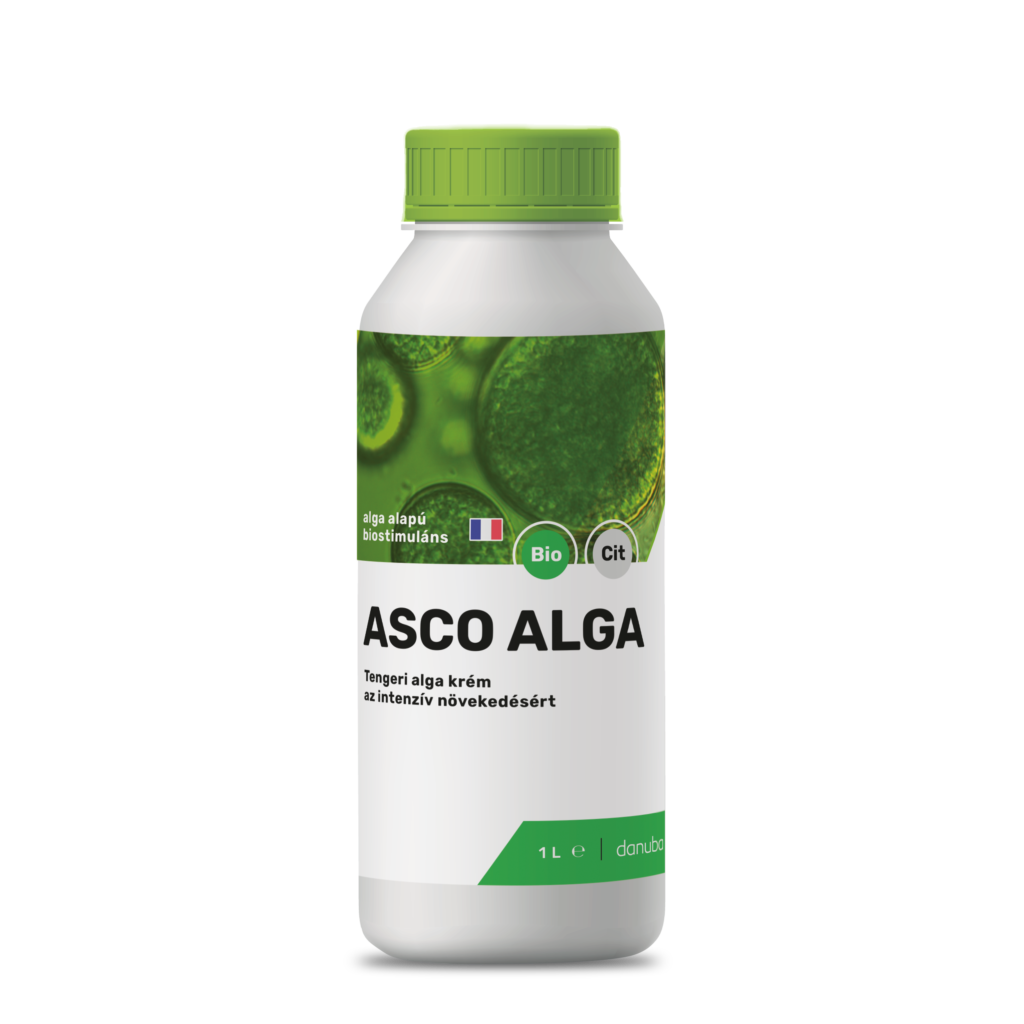
So it's also an excellent way to protect our herbs against fungal diseases Tricho Immun (learn more about its impact), which protects the plants from the inside. In the cooler autumn weather, you can also stretch the life of fresh shoots with Asco Alga greening and stress relief.

While I was writing this newsletter, I wished for and made my favourite blend of lemongrass, thyme and peppermint! When preparing, remember that the less is more principle applies here too. And for the exact quantities and combinations, the best guide is our heart, if we can quiet our minds and immerse our souls in nature for a moment, as our body knows what we need. We can also draw on authoritative, expert sources for excellent guidance.
Let's see which herbs in our gardens can be useful for our health:
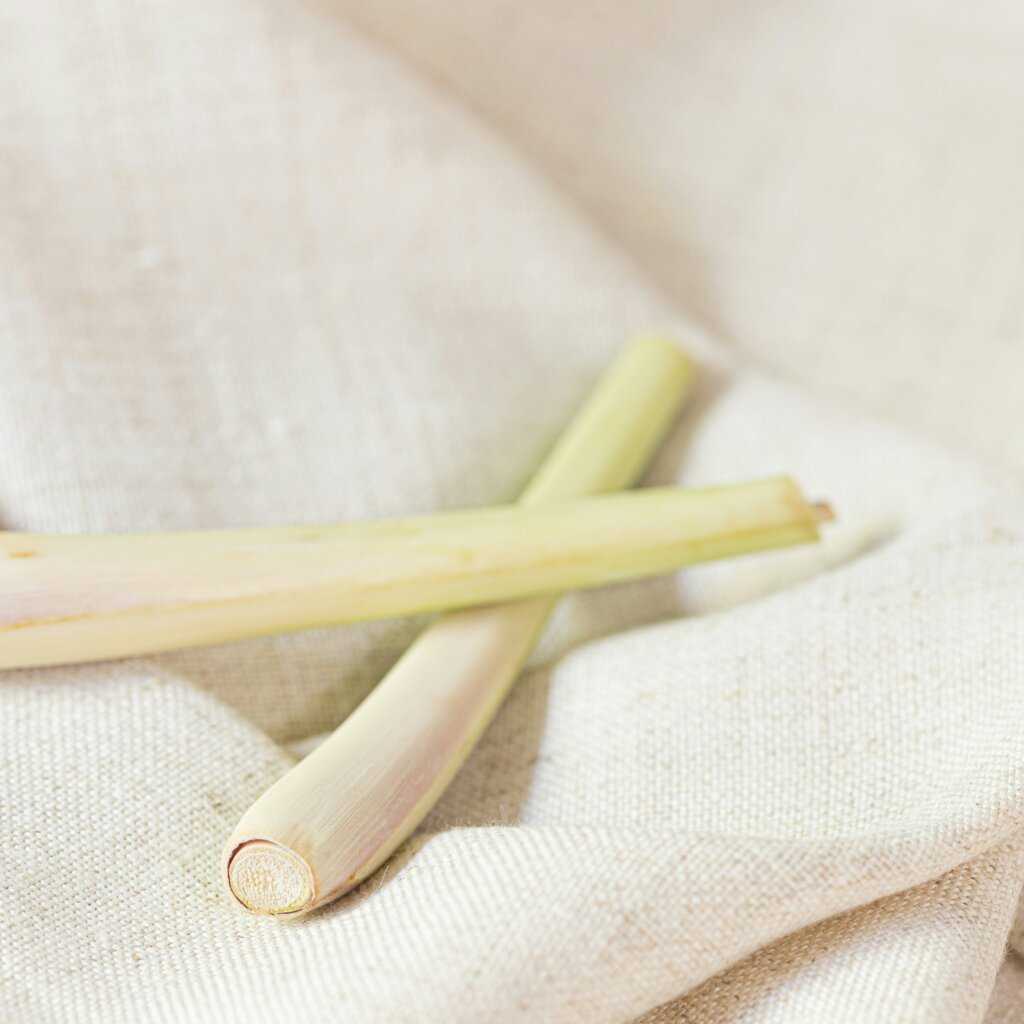
🌱 Lemongrass - a source of calm and protection
The lemongrass (Melissa officinalis) with its fresh, lemony scent and taste not only makes tea special, but also supports our nervous system. Its calming, stress-relieving properties are well known, which is particularly important as prolonged stress weakens the immune system. Regular consumption will help to balance the body, making it more resistant to colds. It also has a mild antiviral effect thanks to the polyphenols it contains, which makes it a good preventive measure.
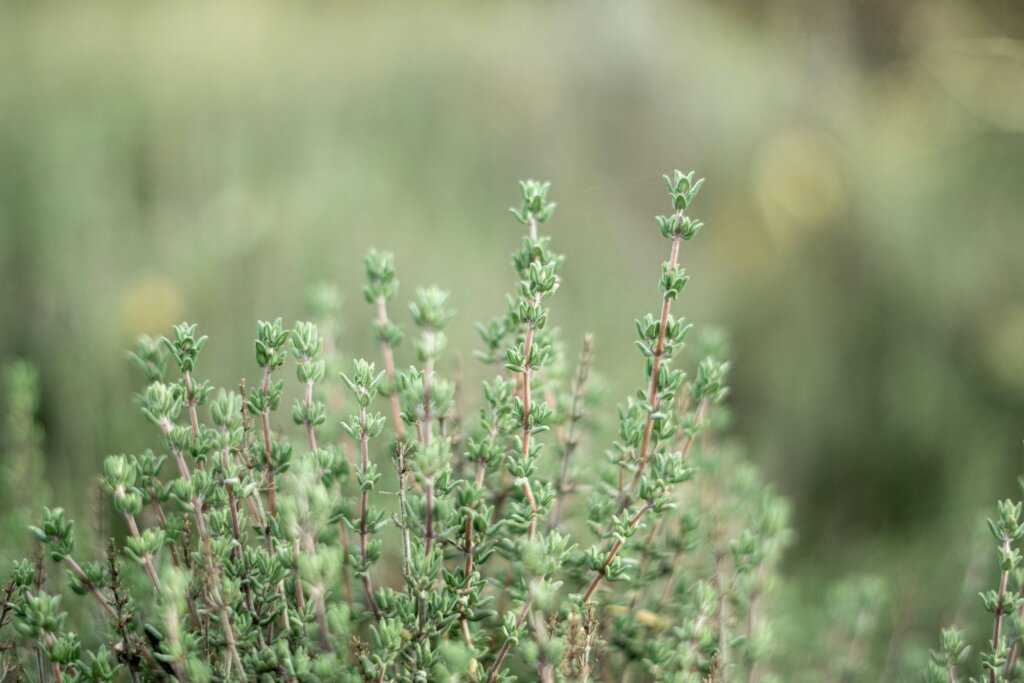
🌱 Thyme - natural protection for the airways
Thyme (Thymus vulgaris) has been known for thousands of years for its powerful disinfectant and germicidal properties. Its essential oils, especially thymol, are particularly effective against respiratory infections. Its tea soothes coughs, helps loosen congested phlegm and, when inhaled, clears the airways. In the autumn, a cup of thyme tea is not only a remedy, but also an effective way to ward off illness.
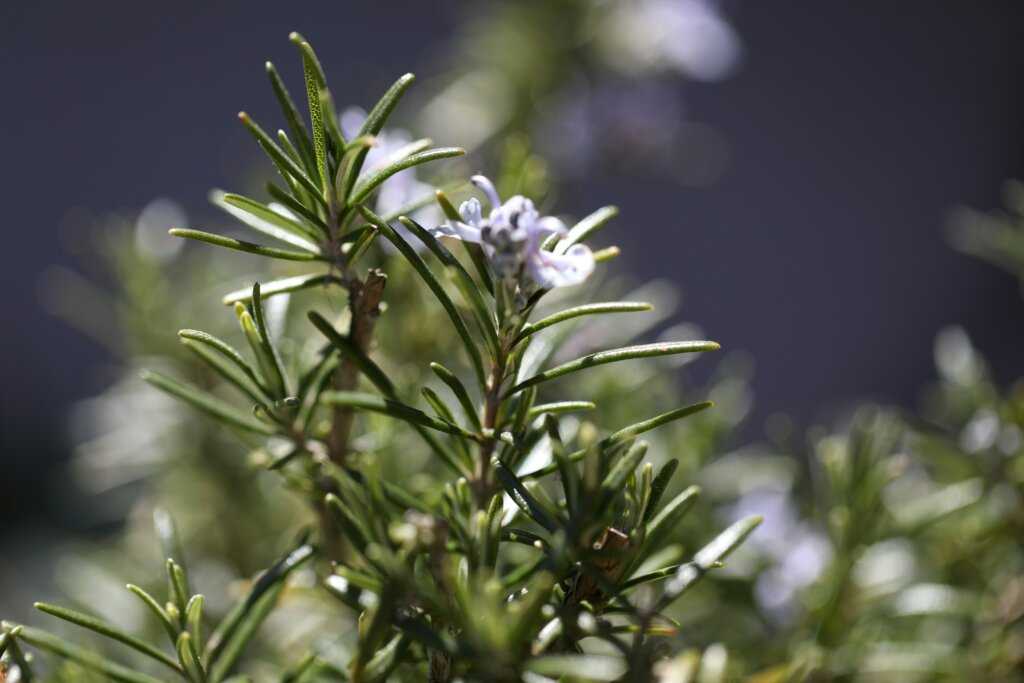
🌱 Rosemary - invigorating and strengthening
The rosemary (Rosmarinus officinalis) is a favourite spice in cooking, but is also valuable as a medicinal herb. It improves blood circulation, stimulates mental freshness and strengthens the immune system. It has a warming effect, which helps you get through chilly days. It is refreshing in tea form and can also be used as a bath to relieve muscle aches and pains. It is also a great herbal tea for boosting the immune system in autumn.
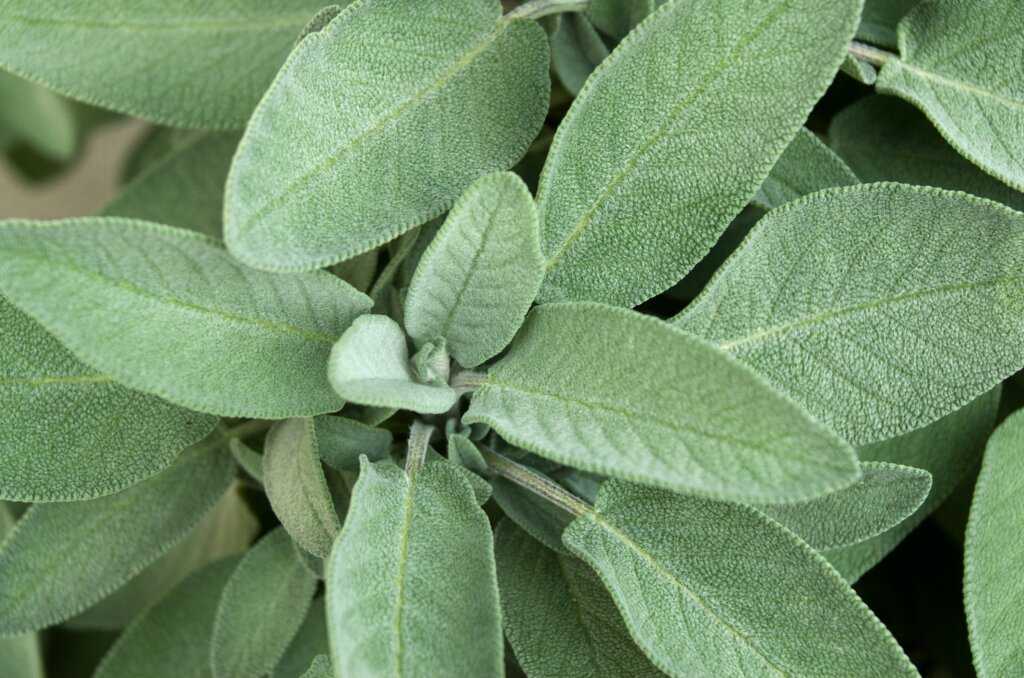
🌱 Sage - against sore throat and inflammation
The sage (Salvia officinalis) name from the Latin salvare ("to cure"), not coincidentally. Its antiseptic, anti-inflammatory and antiperspirant properties have long been known. When taken as a tea or used as a throat rinse, it quickly relieves sore throats and hoarseness. It is a natural remedy for all kinds of sore throats and should be kept nearby in the autumn.
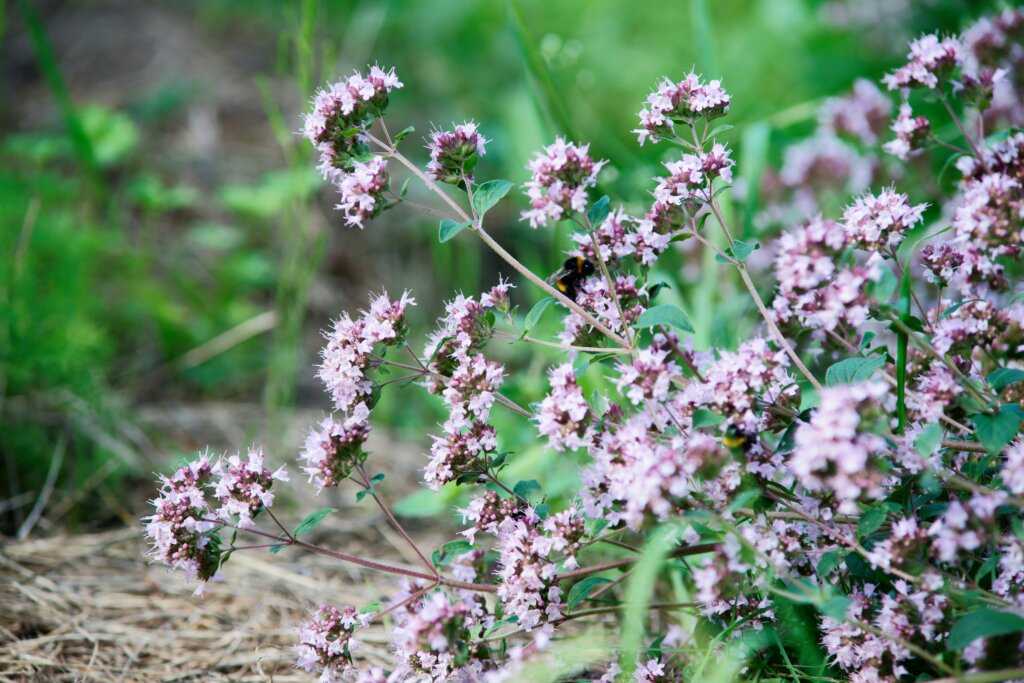
🌱 Marshmallow - the Mediterranean immune booster
The pitch grass (Origanum vulgare), more commonly known as oregano, is not only a popular seasoning for pizzas and pasta, but also an excellent herb. It has strong antioxidant and antiseptic properties and its essential oils are effective against bacteria and viruses. Its tea or inhalation helps with respiratory problems and supports the immune system. In autumn it is a real "protector" in the kitchen and in the home apothecary.
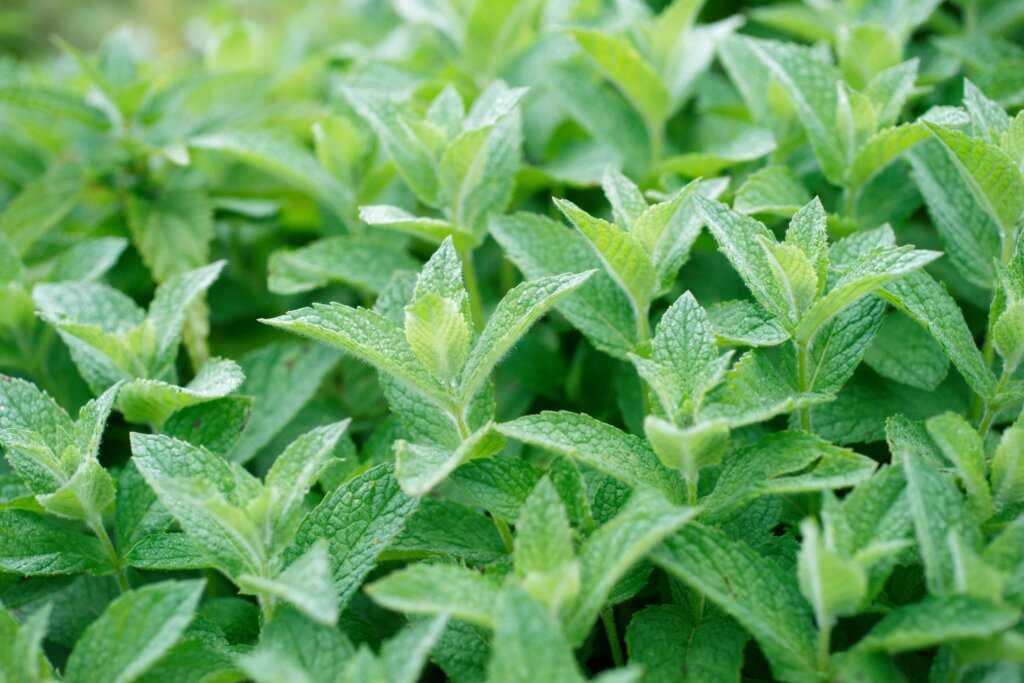
🌱 Peppermint - fresh air for lungs and head
Peppermint (Mentha piperita) Its cooling minty taste is not only refreshing, but also known for its anti-inflammatory and respiratory cleansing properties. Its tea soothes the stomach, helps against the feeling of fullness, but when inhaled or added to a hot bath, it immediately eases breathing. In times of headaches or colds, it provides a real relief while naturally supporting the body's defences.
🌱 Spearmint - the soothing refresher
The currant (Mentha spicata) is a milder, softer-tasting relative of peppermint. It is gentler on the digestive tract, making it ideal for those who are more sensitive to the strong essential oils of peppermint. Its tea is refreshing, clears the airways and helps combat autumn fatigue. Children should also choose peppermint for its gentler flavour and milder effect.
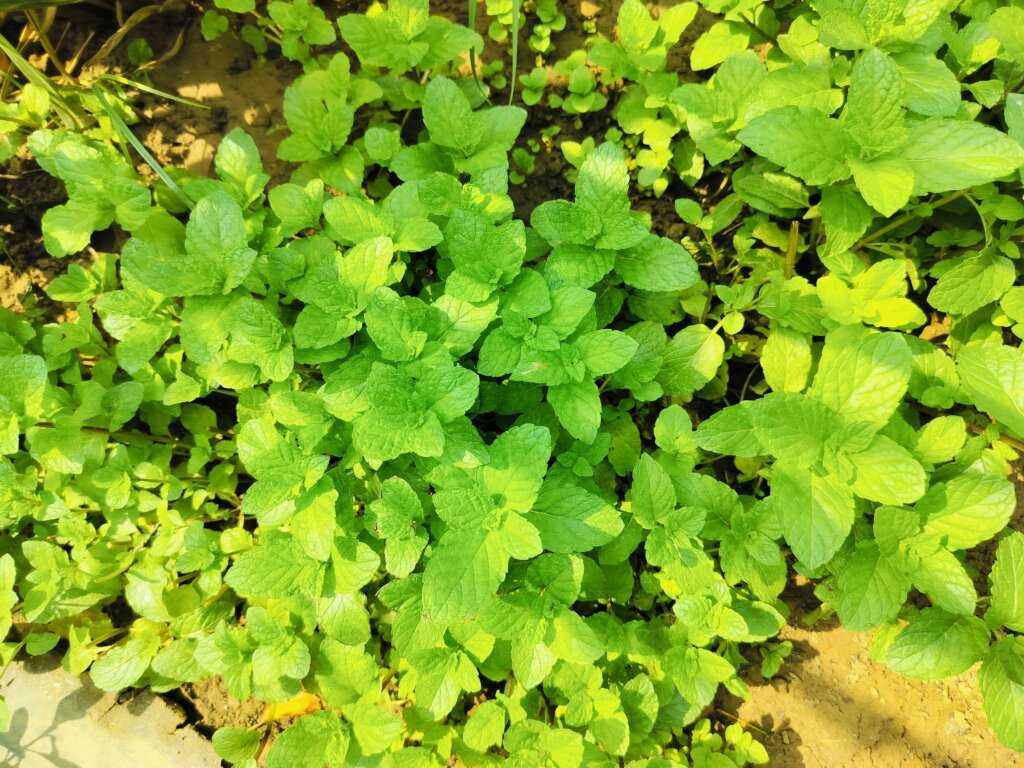
If you don't have any herbs in your garden yet, it's worth starting a small herb garden next spring
We wish you good health!

 English (UK)
  Magyar