The nutrient supply of grapes is critical to ensure a high quality harvest. In addition to conventional soil fertilization, foliar fertilization is becoming increasingly popular, as nutrients applied through the foliage are ~10 times more useful than those applied through the soil. Especially in dry soils, the plant cannot take up these nutrients. Nutrient supplementation through foliar application allows rapid and targeted intervention, especially at critical times when the vine shows increased nutrient requirements.
Why choose foliar fertilisation?
Fast acting: the leaves absorb nutrients quickly, which is particularly beneficial in situations of stress or deficiency diseases.
Targeted nutrient supplementation: foliar fertilisers provide the necessary micro- and macro-nutrients directly to the plant. Balanced growth: helps maintain uniform growth and improves fruit quality.
Which foliar fertiliser should we use?
The choice of the right foliar fertiliser depends on the current condition and nutrient requirements of the vine. Here are some suggestions:
- Micronutrient foliar fertilizers: preparations containing zinc, iron, boron and copper to prevent and treat deficiency diseases.
- General purpose foliar fertilisers: Contain a combination of nitrogen, phosphorus and potassium to support the overall development of the plant.
- Special preparations: foliar fertilisers containing calcium and magnesium to improve the firmness and quality of the berries.
Regular foliar fertilisation helps to maintain the health of the vine, improves the quality of the harvest and makes the plant more resistant to various environmental influences.
Remember, proper nutrient supplementation is the key to successful viticulture!
Experiment in the Mátra Wine Region
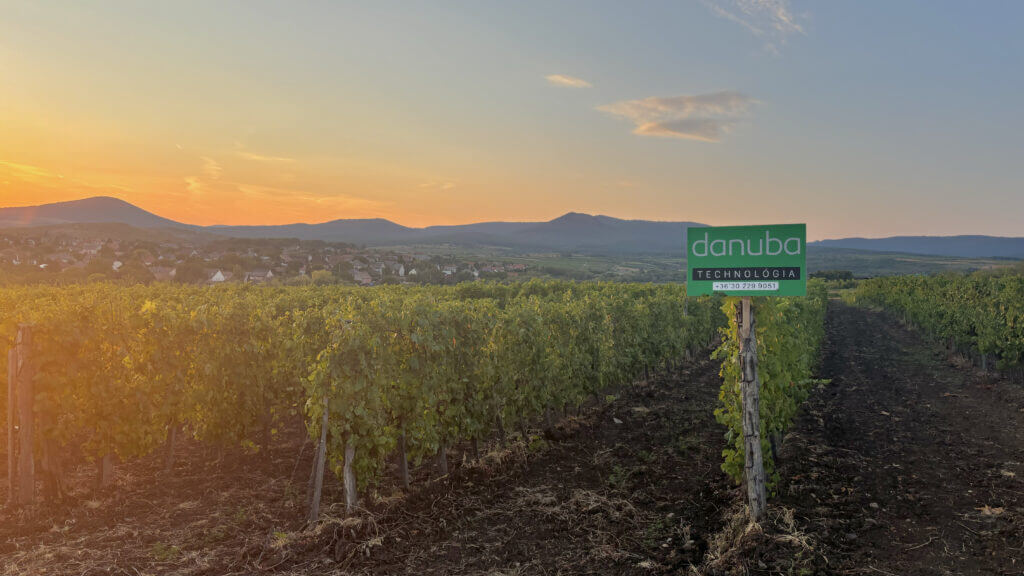
In the Mátra wine region, in Gyöngyöstarján, we have launched a comprehensive nutrient supplementation experiment to achieve even better results in viticulture. The experiment has been set up on a 2-hectare plot where we are testing the latest nutrient replenishment technologies on different grape varieties.
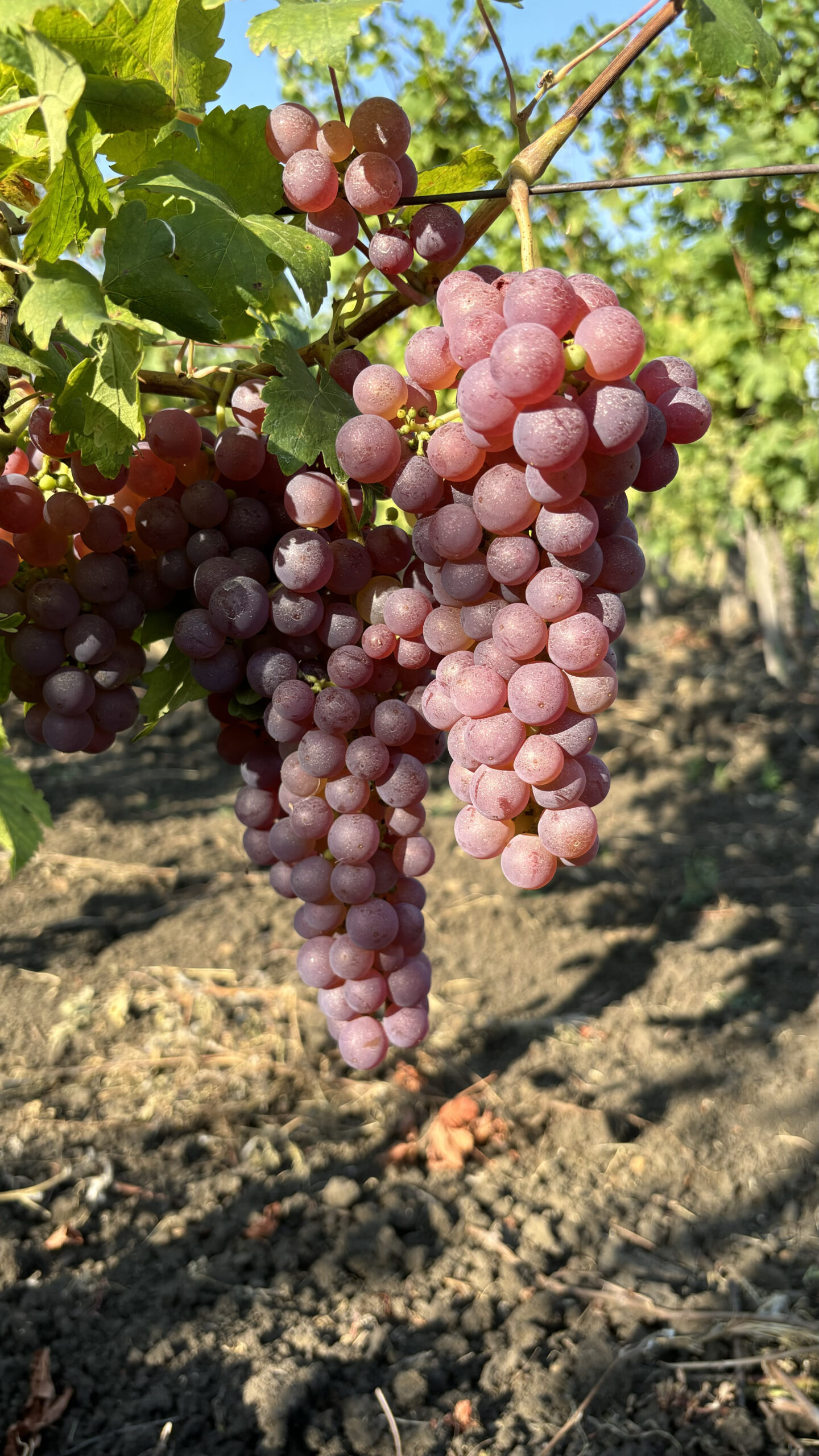
In the study, we looked at Greenveltelini, Sassla, Tramini and Greyfriendly varieties to see how they respond to different nutrient combinations and biostimulants. Our aim is to share our experiences and results with you and thus help you to improve the efficiency of grape production. The results of the experiment and details of the methods used are described below.
Brief description of the products used
The following products were used in the experiment, all of which played an important role in improving the growth and health of the grapes:
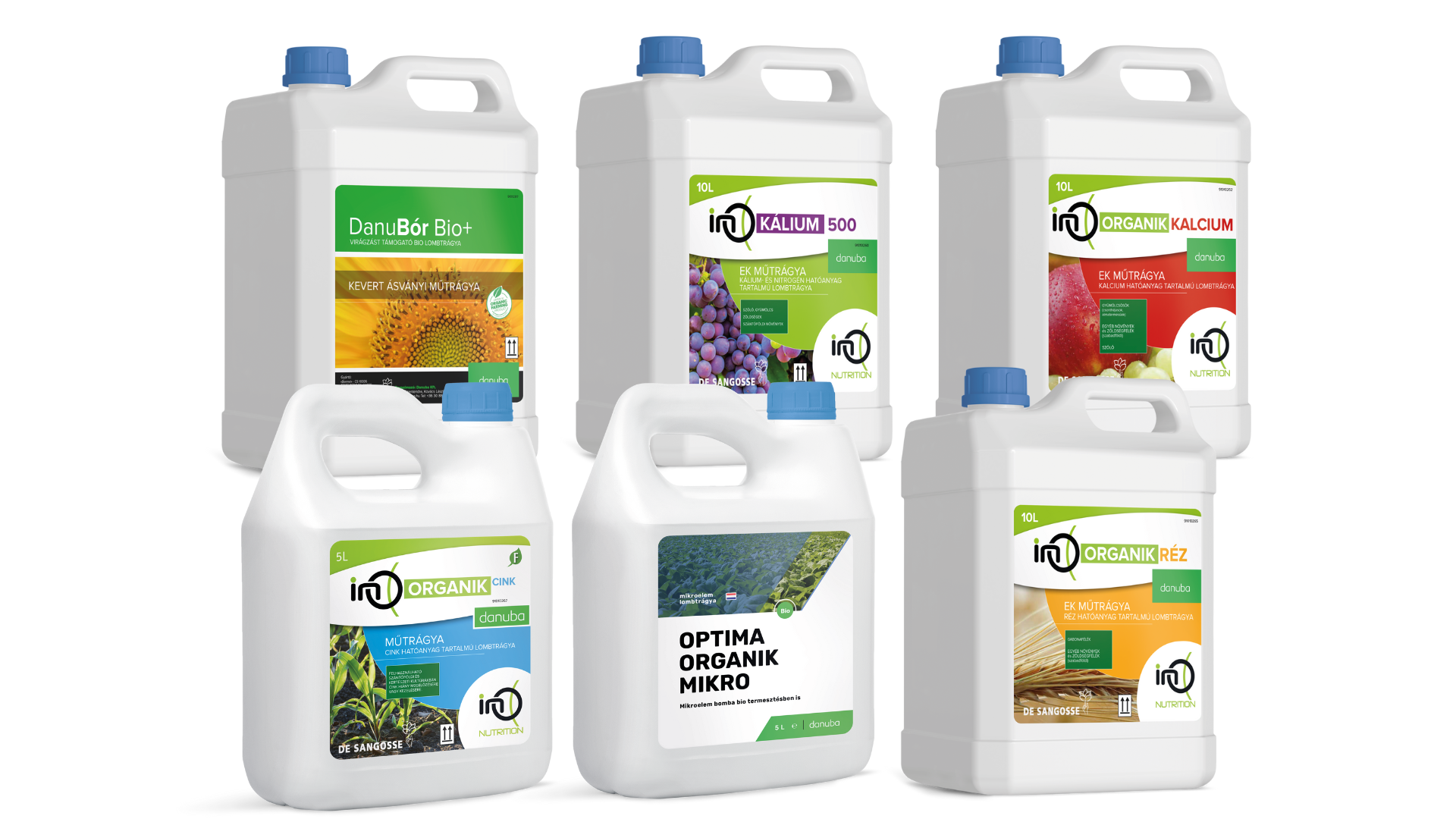
- Nutrino Azo Up+: A high nitrogen foliar fertilizer that quickly makes up for nitrogen deficiencies, promoting vegetative growth and vigorous shoot development.
- Nutrino Turbo+: A complex nutrient solution containing not only nitrogen, but also phosphorus, potassium and trace elements, providing a comprehensive nutrient supply to the vine during critical growth stages.
- Phoenix: Biostimulant, which improves the plant's resistance to stress and aids regeneration. Particularly effective in times of drought and other stress factors.
- Kelpak: Marine algae-based biostimulant that promotes root growth and contributes to perfect flowering.
- Danubor: A high boron (B) foliar fertilizer with molybdenum (Mo). It plays an important role in flowering and berry setting.
- Tricho Immun: Biological preparation containing the internal Trichoderma fungus. Its use increases the resistance of vines and contributes to the development of healthier, stronger plants.
- Asco Alga: Ascophyllum nodosum seaweed cream. Supports intensive plant growth.
Presentation of the technology by development phases
20-30 cm shoot length

Nutrino Azo Up+
o Dose: 5 l/ha
o Pesticide treatment in one go
Nutrino Turbo+
o Dose: 2 l/ha
o Pesticide treatment in one go
Phoenix
o Dose: 0,2 l/ha
o Pesticide treatment in one go
Tricho Immun
o Dose: 1 kg/ha
o used alone, 1 week after pesticide treatment
Before flowering
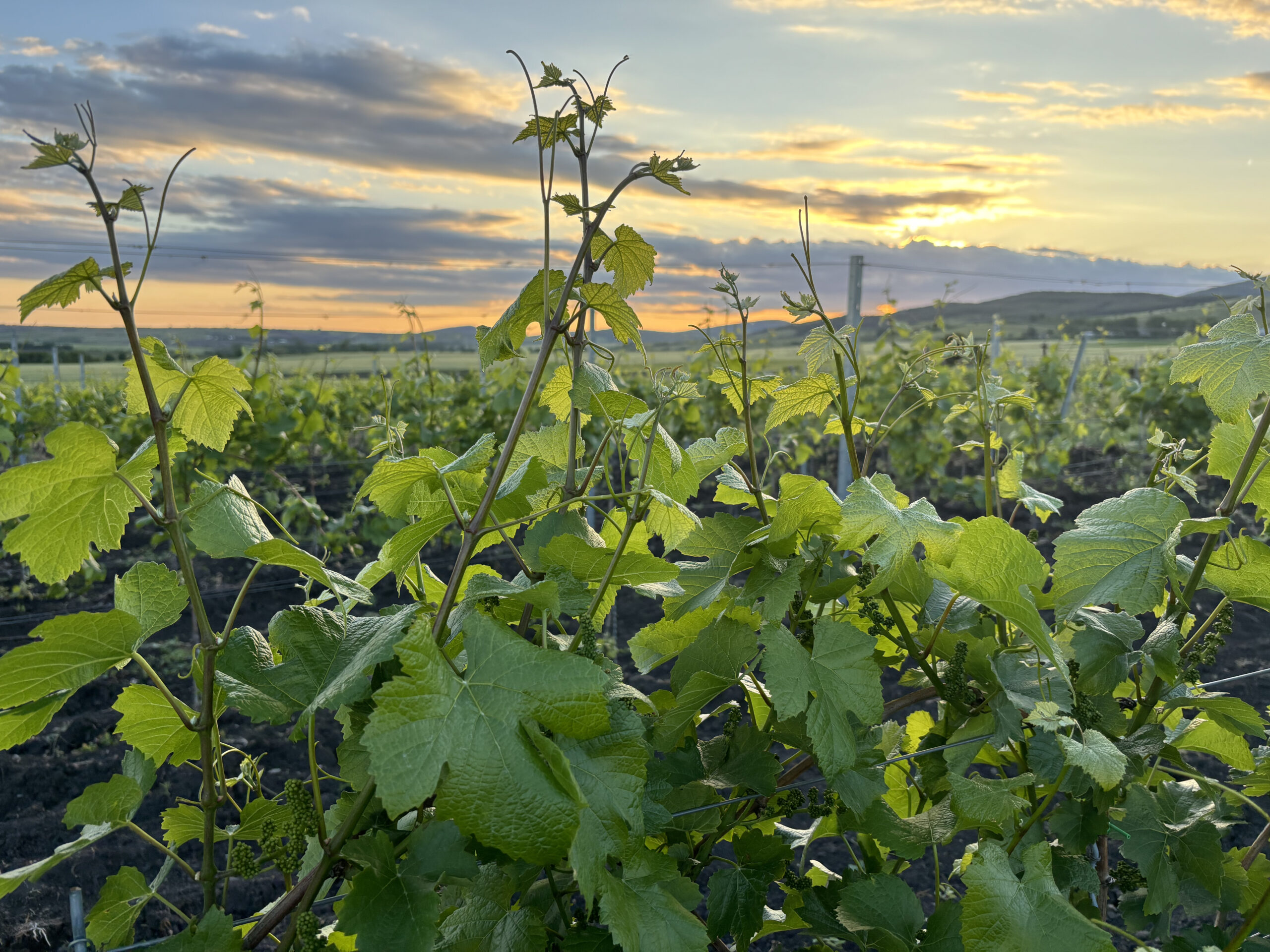
Nutrino Azo Up+
o Dose: 5 l/ha
o Pesticide treatment in one go
Nutrino Turbo+
o Dose: 2 l/ha
o Pesticide treatment in one go
DanuBór
o Dose: 2 l/ha
o Pesticide treatment in one go
Kelpak
o Dose: 2.5 l/ha
o Pesticide treatment in one go
Flowering
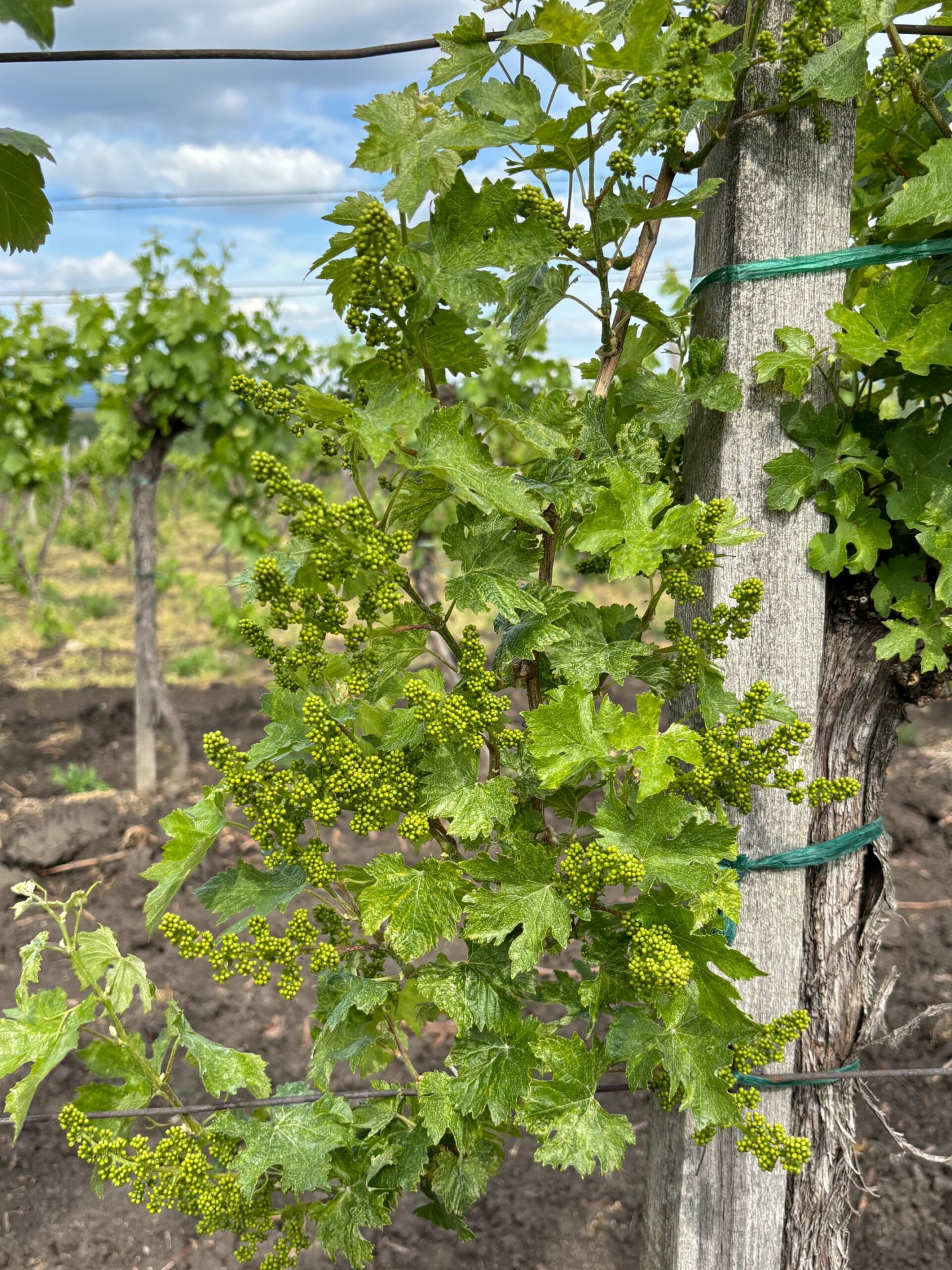
DanuBór
o Dose: 2 l/ha
o Pesticide treatment in one go
Kelpak
o Dose: 2.5 l/ha
o Pesticide treatment in one go
Tricho Immun
o Dose: 1 kg/ha
o used alone, 1 week after pesticide treatment
Berrying
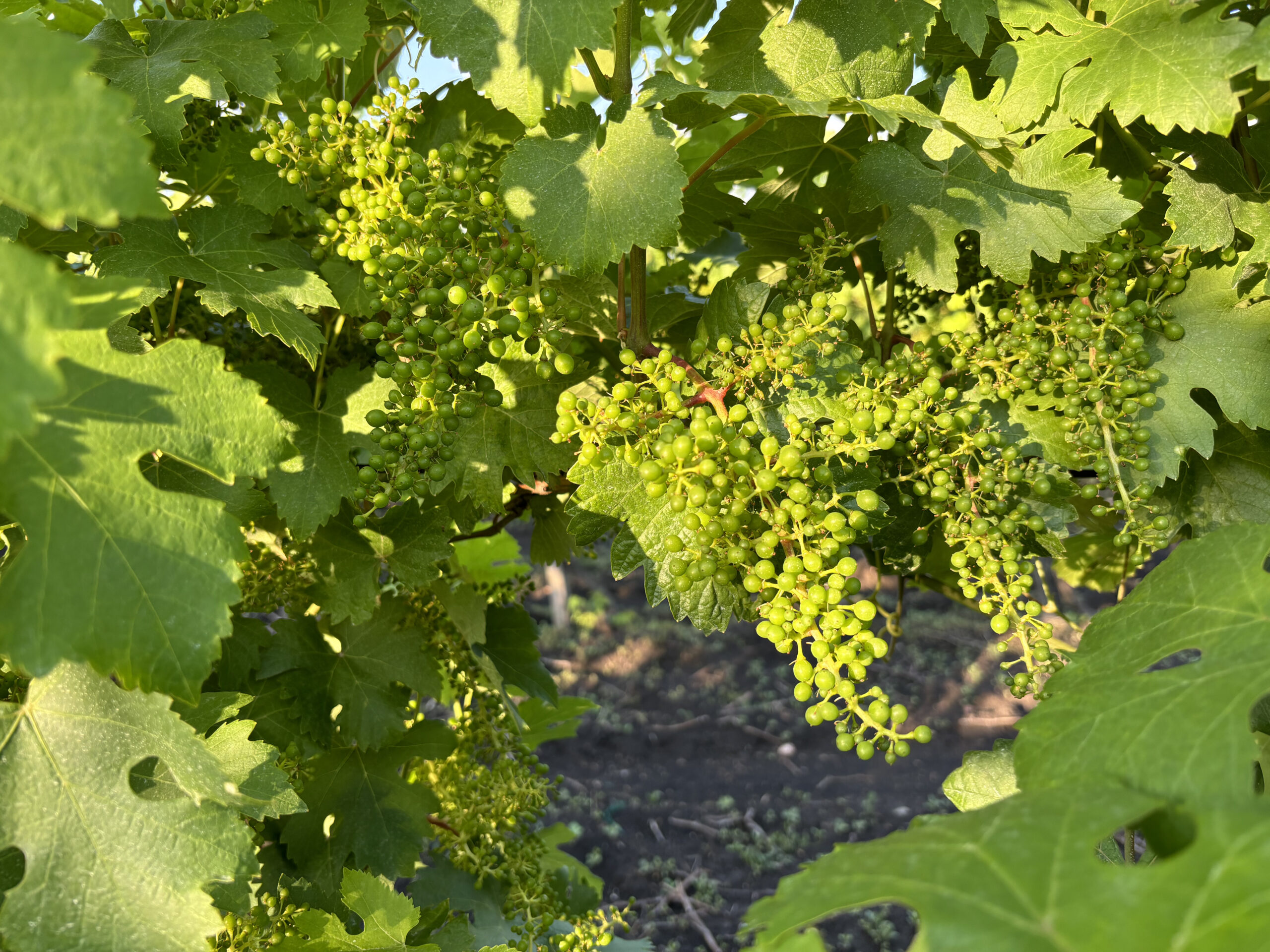
Nutrino Azo Up+
o Dose: 5 l/ha
o Pesticide treatment in one go
Nutrino Turbo+
o Dose: 2 l/ha
o Pesticide treatment in one go
Phoenix
o Dose: 0,2 l/ha
o Pesticide treatment in one go
Cluster closure
Nutrino Azo Up+
o Dose: 5 l/ha
o Pesticide treatment in one go
Nutrino Turbo+
o Dose: 2 l/ha
o Pesticide treatment in one go
Asco Alga
o Dose 2 l/ha
o Pesticide treatment in one go
Summary
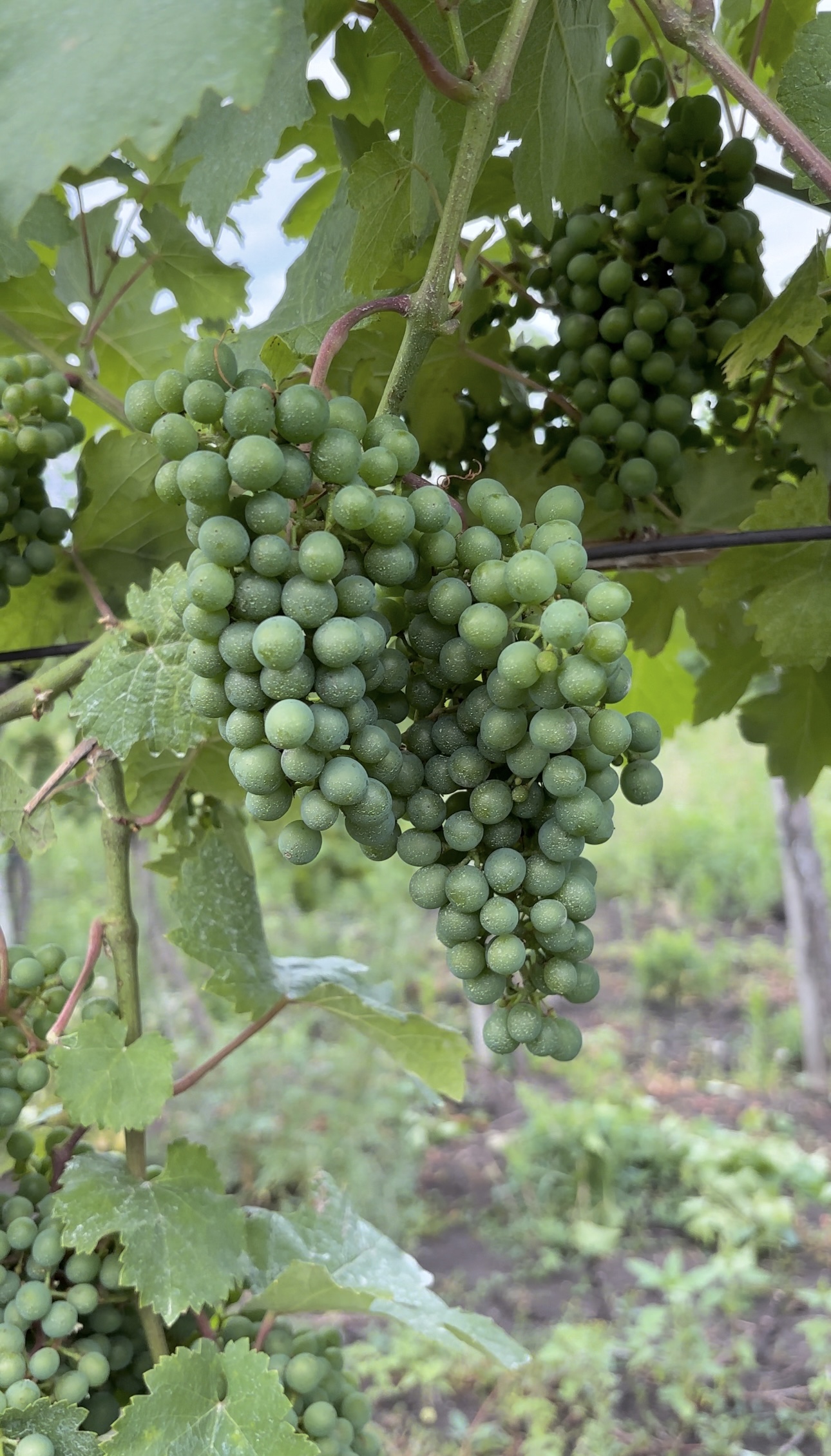
The products used in the experiment have produced excellent results in the development of the vines, which we observed in several aspects. Spring shoot growth was much more vigorous in the treated areas. A plants have produced healthy, large leaves, which were intensely green in colour and provided vigorous photosynthesis for the vines.
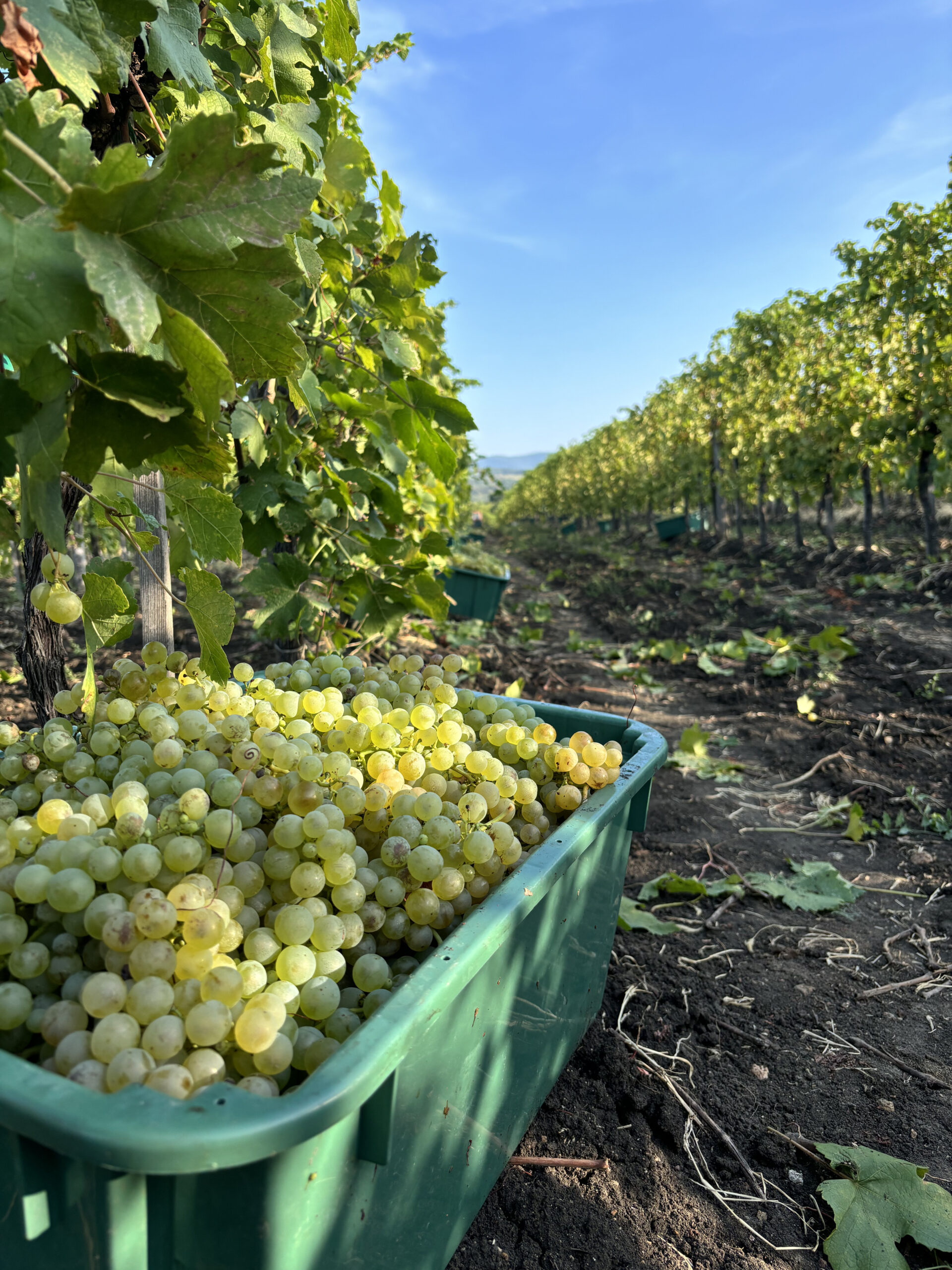
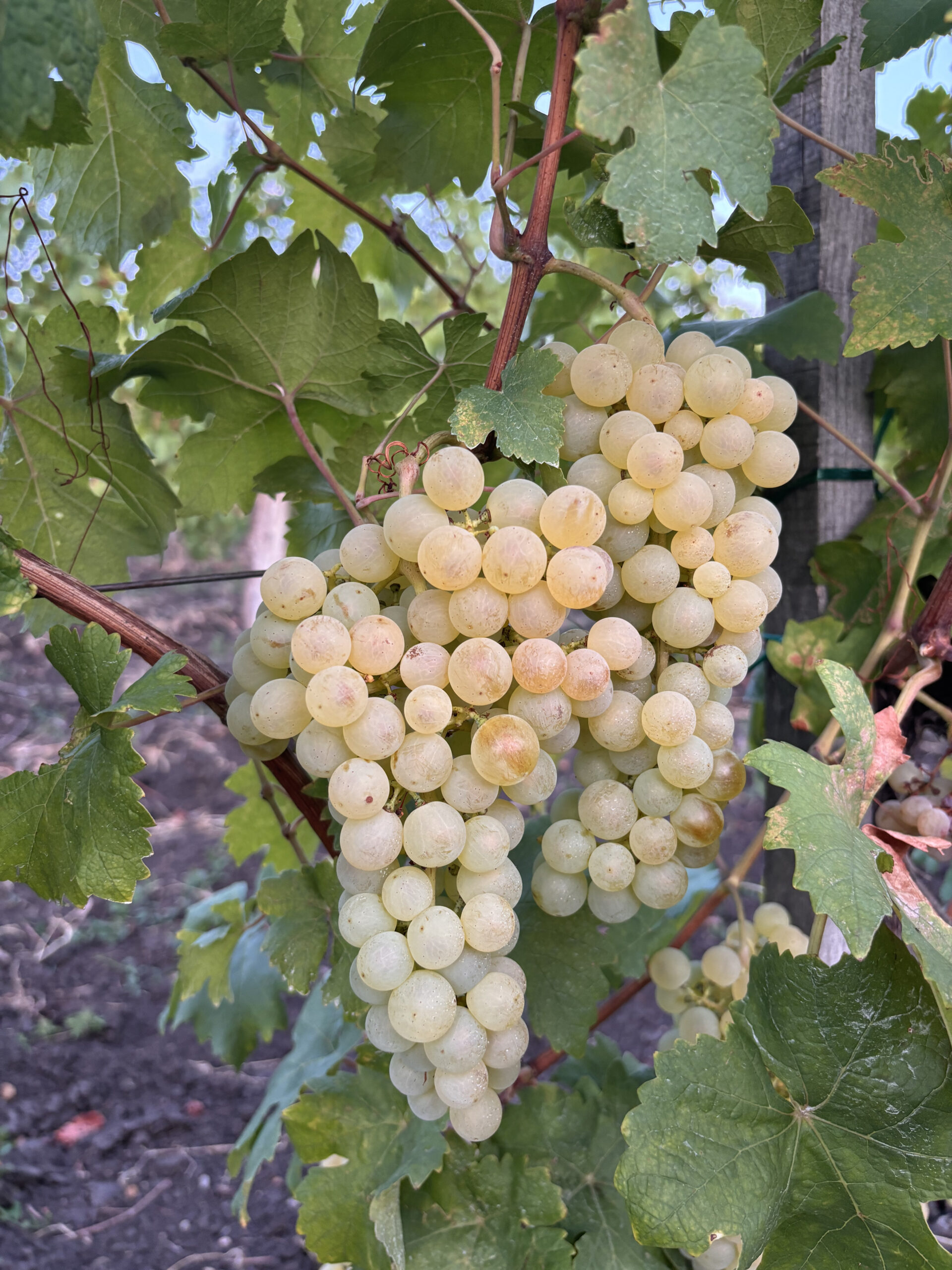
During flowering, we also saw spectacular results: the the number of flower arrangements has increased significantly, resulting in abundant, plump and healthy bunches. This was despite the fact that the area was under considerable pressure from mildew and peronospora infestations during the year.
The drought period was particularly hard on the vines, but the bunches in the treated areas lasted much longer than in the untreated areas. This shows that the products are significantly improved the stress tolerance of plants is. This has allowed the vines to adapt better to adverse weather conditions, which ultimately has led to also had a positive impact on the quality and quantity of the harvest.

 Magyar
 English (UK)