The invisible world of the soil – millions of microorganisms beneath our feet
If you had to name the most densely populated place on Earth, few people would probably think of the Soil. Yet a single gram of healthy soil can be home to more than 100 million microorganisms, and their species diversity is almost immeasurable.
Without the bacteria, fungi and other microorganisms living in the soil, the soil would not be fertile, and our plants would not thrive.
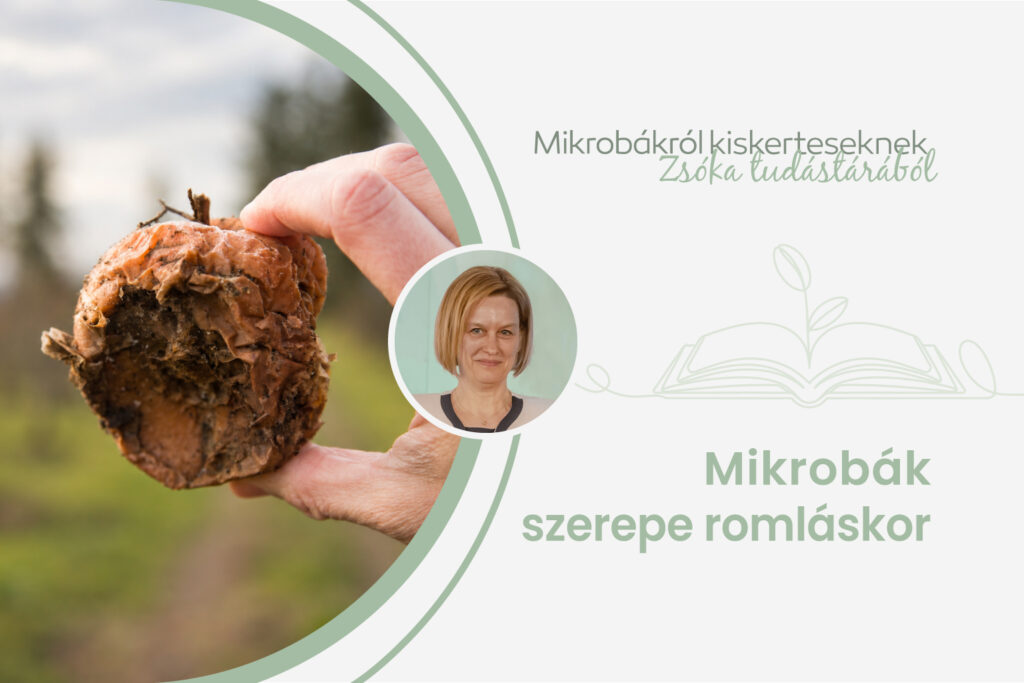
Their first and perhaps most important task the breakdown of organic matter. The nutrients contained in dead leaves, roots and other plant matter are converted into a form that can be reabsorbed through processes invisible to us. Soil microbes are, in fact, nature’s its recycling scheme is operated.

A particularly rich community of microorganisms thrives around the roots of plants.
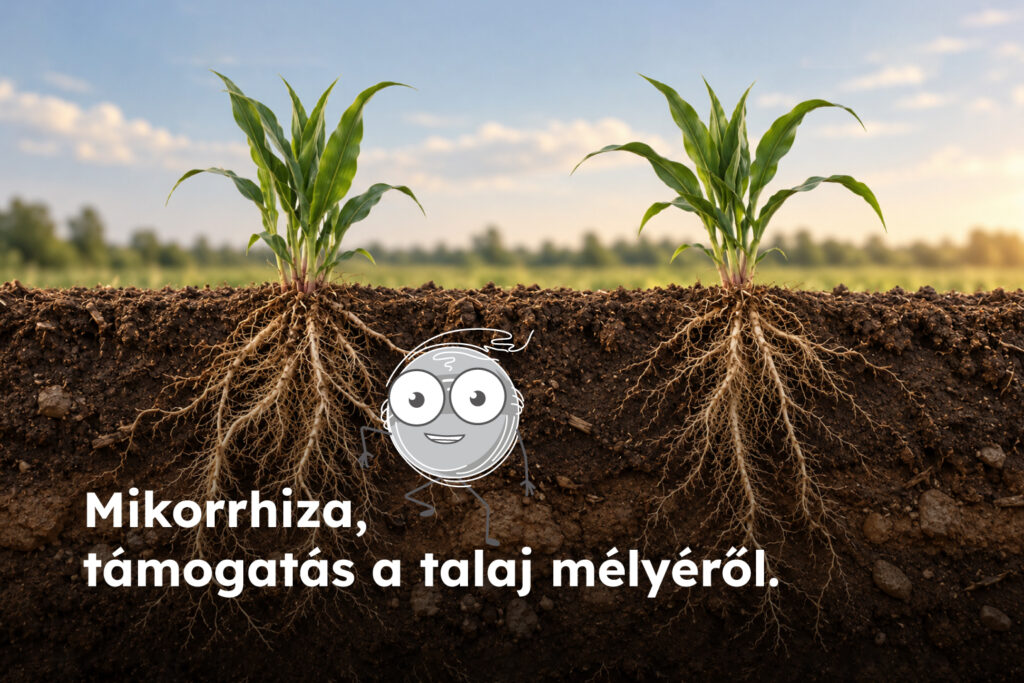
The so-called rhizobacteria they help the plant’s growth in many ways, whilst the mycorrhizal fungi They live in close cooperation with the roots.
Their fine mycelium significantly increases the root’s surface area for nutrient and water uptake, enabling the plant to access phosphorus and water, for example, more efficiently.
💚 soil microbes Not only do they nourish plants, but they also serve as a food source for numerous soil-dwelling organisms – such as earthworms, mites, springtails and insect larvae. In healthy soil, every organism forms part of a complex food web.
A rich and diverse microbial community has another important benefit. In healthy soil, natural biological balance The following occurs: beneficial microorganisms compete with pathogens for nutrients and habitat, thereby helping to suppress the species that cause plant diseases.
Soil microbes not only nourish plants, but also serve as food for numerous soil-dwelling organisms – such as earthworms, mites, springtails and insect larvae. In healthy soil, every organism forms part of a complex food web.

Another important aspect of the rich and diverse microbial community is advantage …there is also. A natural biological balance develops in healthy soil: the Beneficial microorganisms compete with pathogens for food and habitat, thereby helping to suppress species that cause plant diseases.
How can we help soil life?
Most soil microorganisms prefer moist, well-structured, aerated soil.
Regular replenishment of organic matter, preventing soil compaction and ensuring an adequate water supply all contribute to the development of a rich soil ecosystem.
In contrast, excessive trampling, compacted soil, prolonged drought and bare soil surfaces that heat up significantly in the summer heat can significantly reduce the number of microorganisms living in the top layer of the soil. Pesticides – particularly certain fungicides and copper- and sulphur-based products – can also affect beneficial microbial communities in the soil; therefore, when using them, we should always aim to apply the minimum necessary amount.
Interesting facts
Have you ever felt that distinctive sensation after a downpour? „the scent of ”fresh earth’? One of the main causes of this is the organisms living in the soil ray mushrooms (Streptomyces species), which produce a fragrance called geosmin. For many people, this is one of nature’s most pleasant scents.
The soil is also one of the habitats of the microorganisms that inhabit plants its most important source as well. From there, they reach the roots of the plants, then the surface, and in some cases even the internal tissues.

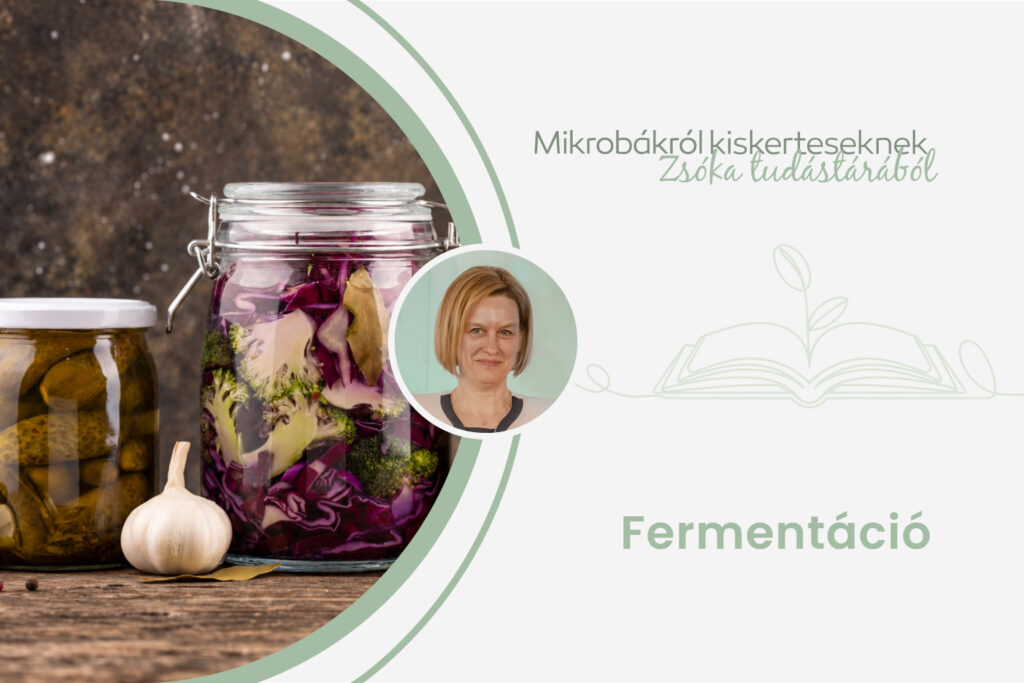
As we have seen in previous episodes, Among these, we find beneficial microorganisms – such as lactic acid bacteria and yeasts that carry out fermentation –, but also species that cause damage or even lead to human illness.
What is worth noting about soil microbes?
Healthy soil consists not only of minerals, but also of an extremely rich community of living organisms. The greater the diversity of the soil’s biota, the more resilient and healthier our plants can be.
In the next section We will look at how microorganisms living in the soil can affect human health, and why good hygiene is important when gardening.
We’ve got even more interesting facts about microbes up our sleeves – do read our other posts!
Follow us on our social media channels too!
You can purchase our products from our online shop or from our retailers. You can find further information about our products and their dosages at the www.danubagarden.hu on the website.
 Magyar
 English (UK)