
How might soil microbes affect human health?
Gardening is one of the healthiest leisure activities.
Regular contact with plants and the soil is good for our physical and mental health. At the same time, it is worth bearing in mind that the soil is extremely rich in microorganisms, so it is important to follow a few simple hygiene rules.
In previous episodes, we saw that most of them live in the soil micro-organism. These microbes are constantly moving around in the environment: they are carried into the air on dust, settle on the surfaces of plants, and are further spread by rain and irrigation water, whilst humans, animals and plants are also constantly returning new microorganisms to the soil. There is therefore a constant exchange microbiological cycle is taking place.
Those living in the soil micro-organisms overwhelming most of them are harmless or actually useful. Some of these bacteria help to keep us healthy, and many of them are essential to the functioning of nature. However, there may also be pathogens which infection may cause.
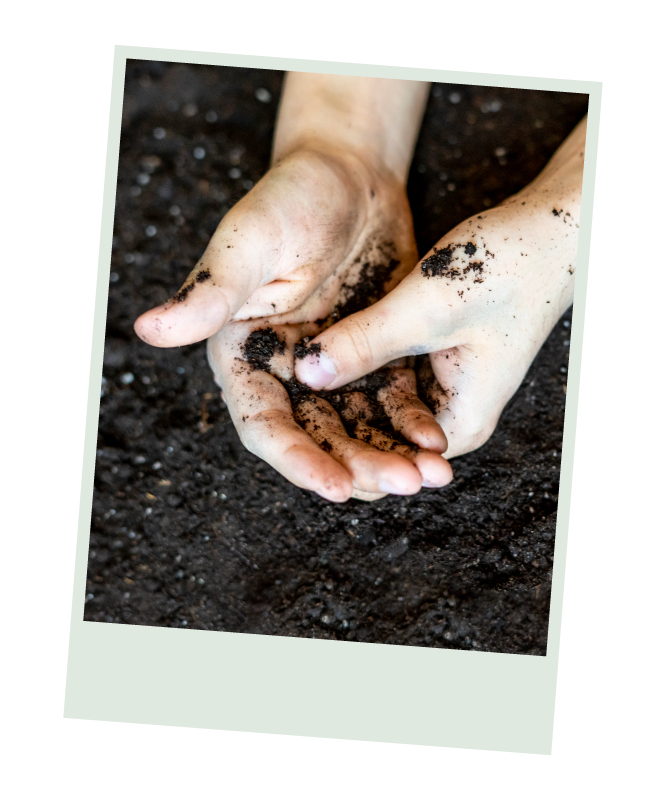
When gardening, microorganisms primarily together with soil particles end up on our hands, clothes and shoes. If we bring these into our home or kitchen, pathogens can more easily get onto our food.
Our body also has a natural defence system. The intact skin an effective physical protective layer; the beneficial microorganisms living on it inhibit the growth of pathogens, whilst tears, saliva and sweat contain natural antibacterial substances – such as lysozyme and certain fatty acids.
However, they are always present in the soil resistant bacterial spores as well. These include the bacterium that causes tetanus (Clostridium tetani), which, if it enters a deep wound contaminated with soil, can cause serious illness. In the case of fresh faecal contamination of animal or human origin, other bacteria, viruses and parasites may also enter the soil; it is therefore particularly important to use only properly treated, matured organic manure in the garden.
How can we reduce the risk of infection?
- Let’s change after gardening shoes and, where necessary, clothes.
- Wash your hands thoroughly with running water and soap before preparing food or eating.
- Always clean wounds contaminated with soil thoroughly let’s have a clear-out and let’s disinfect it.
- Deep or puncture wound In such cases, you should consult a doctor, particularly if you are unsure when your tetanus vaccination is due.
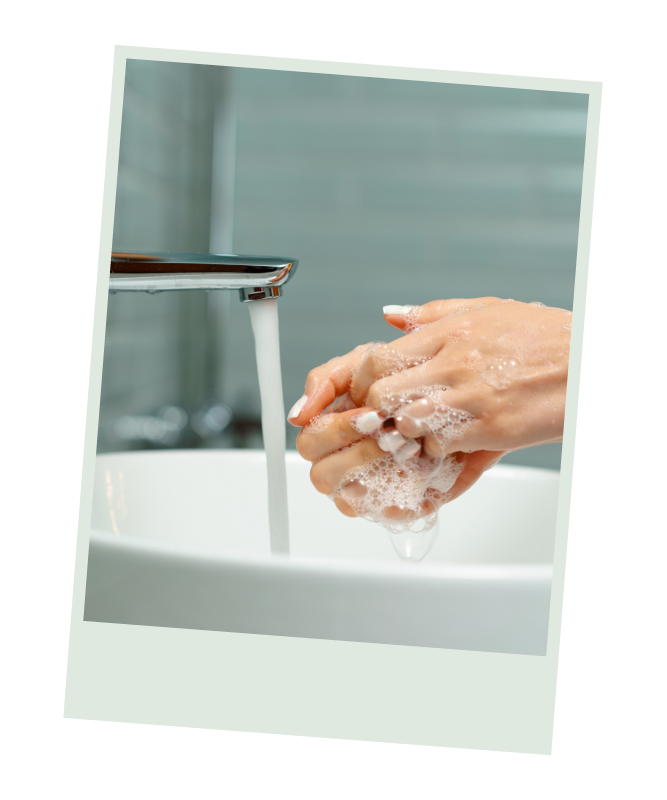
It is important to note that the primary purpose of handwashing is not to sterilise the skin, but to remove dirt and any pathogens that have temporarily come into contact with us.
Soap intended for everyday use and washing your hands with plenty of water are generally sufficient, and regular hand sanitising is usually not necessary after ordinary gardening.
What should you bear in mind when it comes to preventing infections?
Soil is not dangerous; it is alive. The vast majority of the microorganisms it contains are essential to nature. By following a few simple hygiene rules, we can safely enjoy all the benefits of gardening.
In the next section, we will Let’s take a look at how humans have been using microorganisms for millennia to make bread, beer and wine.
Read on and delve even deeper into the world of microbes!
Follow us on our social media channels too!
You can purchase our products from our online shop or from our retailers. You can find further information about our products and their dosages at the www.danubagarden.hu on the website.
 Magyar
 English (UK)