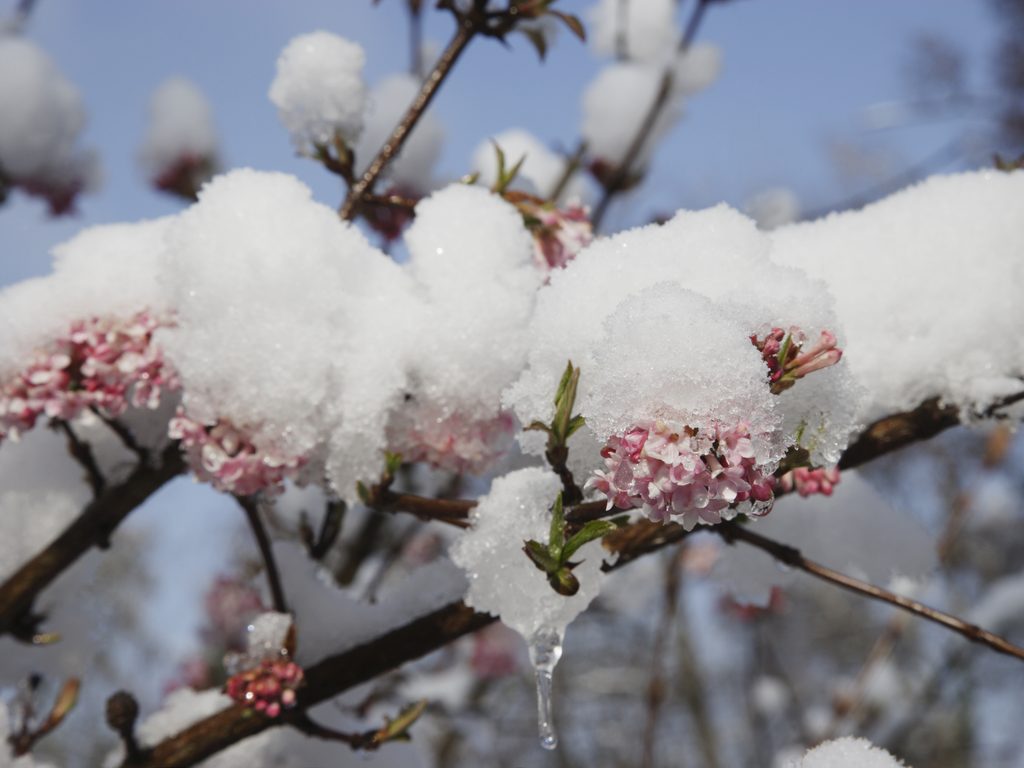
It may seem strange, here in October, when daytime temperatures are still above 20 degrees and the sun is shining brightly, to be writing about preparing our plants for winter. Yet the secret to success lies precisely in thinking ahead. Here are a few suggestions for what we can do this autumn to help our plants survive the winter.
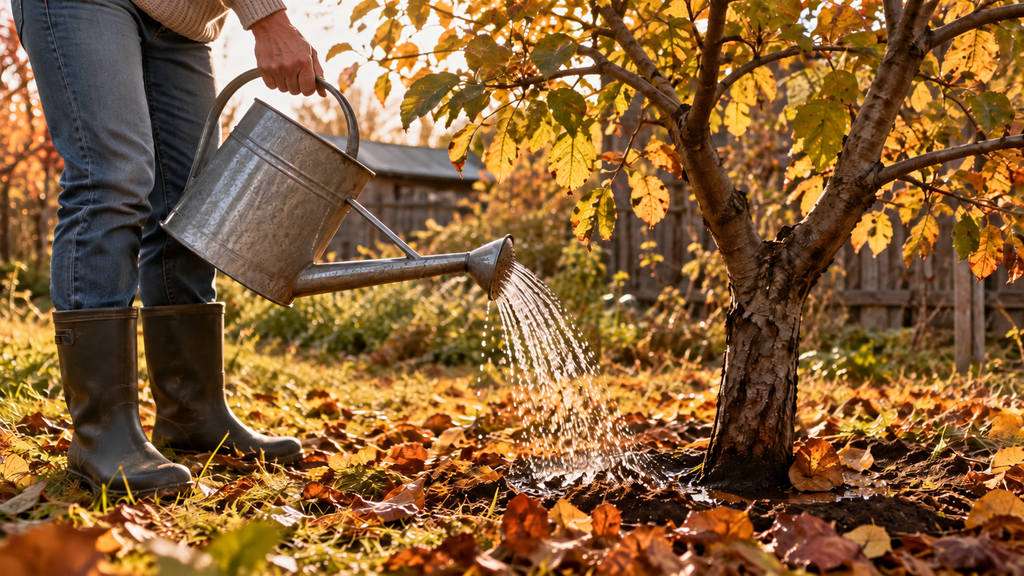
- Irrigation: It is important to ensure an adequate water supply before the frost sets in, as the plant will draw on its reserves during the cold winter months and will be unable to absorb water from frozen soil.
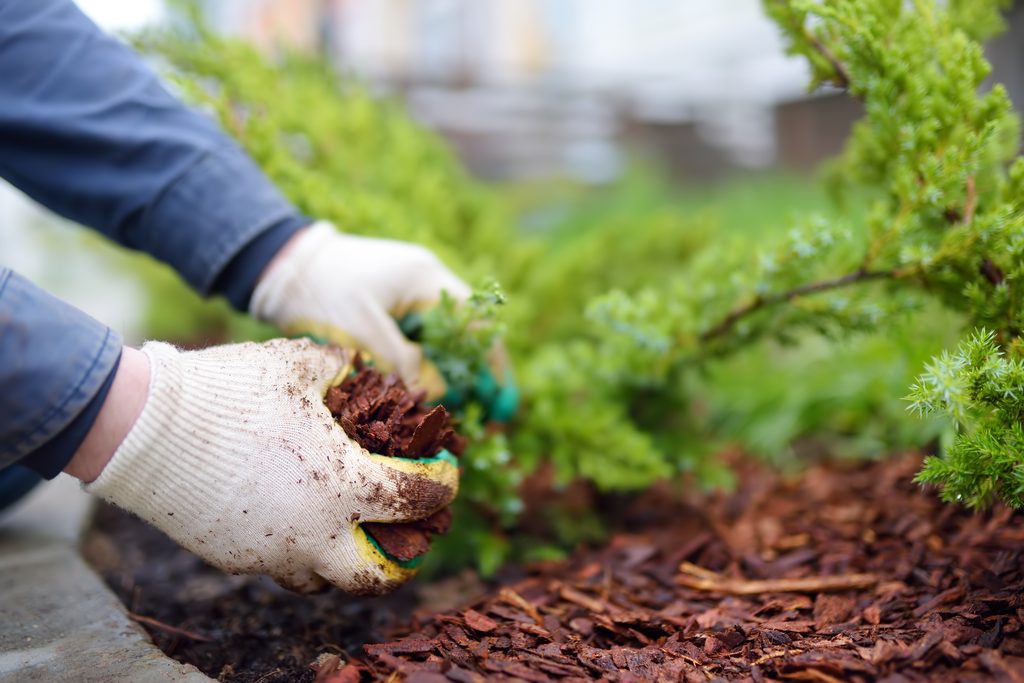
- Coverage: Cover the bases of the plants with mulch; this also protects the root zone.
- An adequate supply of nutrients crucial: Particularly this year, when we had a prolonged spell of frost in January, followed by two heatwaves of around 40 degrees during the summer, but we’ve had hardly any rain. Due to the drought, it is not certain that the plants were able to absorb and store enough nutrients to get them through the winter. Their immune systems may have been weakened.
As part of the plant’s adaptation to the cold, soluble sugars, amino acids and other osmotically active substances, amongst other things, may accumulate within the plant. These lower the freezing point of water within the cells and stabilise the cell membranes. Micronutrients contribute to this primarily by ensuring the proper functioning of enzymes and metabolism.
Which nutrients play a role in winter hardiness?
In terms of frost tolerance, the main factor is the potassium, phosphorus, calcium, magnesium and an adequate supply of trace elements It is important. The aim is not to have „as much as possible” of any one thing, but to ensure there are no shortages and that the balance.
- Potassium (K): one of the most important. It helps regulate the water balance of cells and the accumulation of dissolved substances, which may contribute to the cells’ resistance to freezing
- Phosphorus (P): plays an important role in energy metabolism and membrane function; an adequate supply of it may support adaptation to the cold
- Calcium (Ca): it plays a role in the stability of cell walls and cell membranes.
- Magnesium (Mg): it is primarily required for photosynthesis, and thus indirectly supports the plant’s health and recovery following cold stress
- Boron (B), manganese (Mn) and zinc (Zn): trace elements required in small quantities, which are involved in numerous enzymatic and stress-response processes.
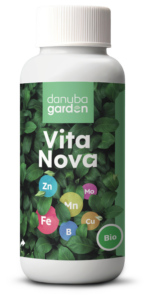
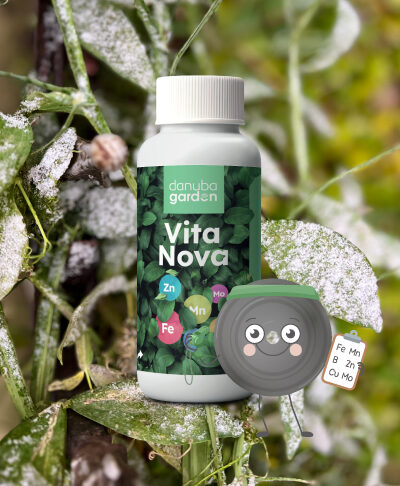
Trace elements do not increase frost resistance in the same way as a „frost-resistant additive”. Rather, they are essential for the functioning of enzymes, membranes and antioxidant systems, which enable the plant to adapt to the cold and mitigate frost damage. Their effect is particularly significant when there is a deficiency of a trace element. The Danuba Garden is the offer of the VitaNova the preparation that contains trace elements.
Improving winter hardiness, therefore, it doesn’t simply mean „more potassium”, but rather the appropriate balance and timing of nutrient supply in late summer and autumn.
Something to pay particular attention to: nitrogen
💚 excess nitrogen (N) It can be particularly unfavourable in autumn! It can cause vigorous, late, tender shoot growth, which is not yet sufficiently prepared for the cold.
What else can help improve your immune system?
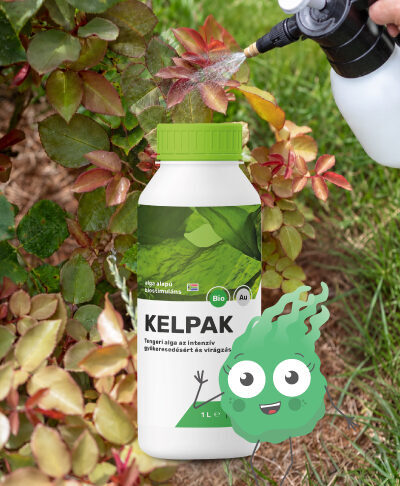
💚 KelpakThe effect of Ecklonia maxima (brown algae) extract on winter hardiness physiologically sound. Based on the available research, it is worth viewing it as a biostimulator that prepares the body for stress (priming), rather than a traditional „anti-freeze agent”. It has, however, been proven that it can improve the physiological systems that are important for withstanding cold stress.
In view of all this, what is the the use of a combined biostimulant We recommend supporting this process from as many angles as possible. The formula is as follows:
2 dl in 10 litres of water Kelpak + 50 ml VitaNova, …and then, whilst the plants still have green foliage, spray the leaves.
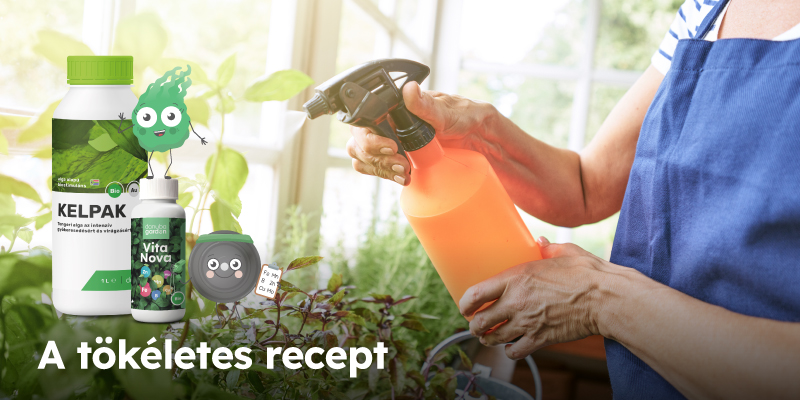
TIP: For fruit trees, softfruits and vines, we recommend supplementing this treatment with 50 g Tricho Immunnal also to prevent fungal diseases next year. The good news is that these three products can be mixed together and applied in a single treatment.
Have a look at what other useful gardening tips and ideas we’ve got up our sleeves!
You can purchase our products from our online shop or from our retailers. You can find further information about our products and their dosages at the www.danubagarden.hu on the website.

 Magyar
 English (UK)