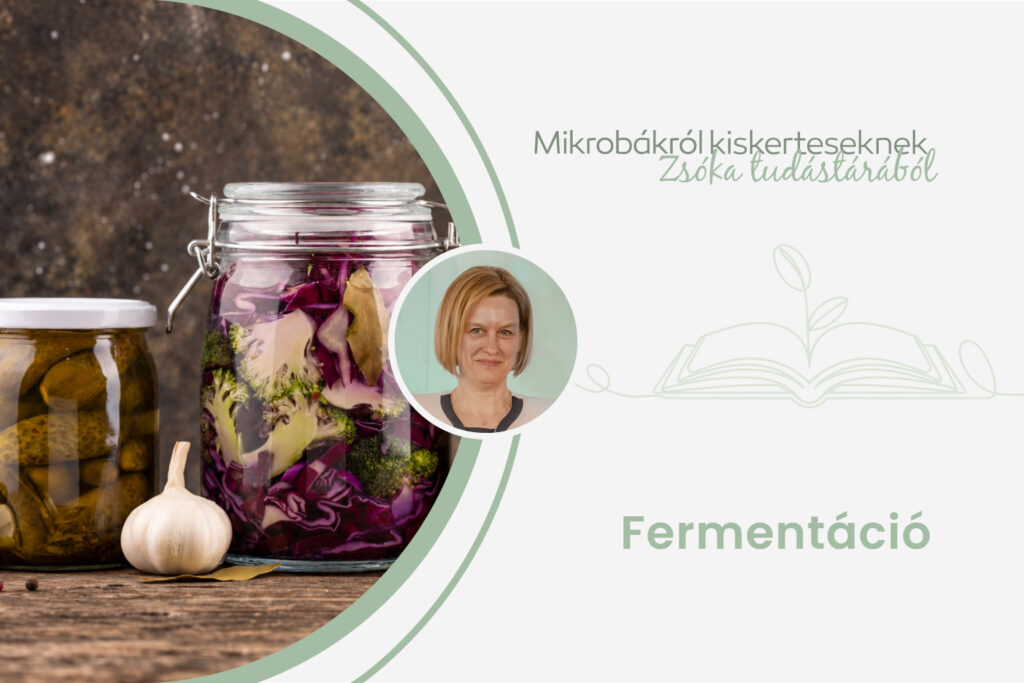
Why don’t pickled gherkins go off?
The microbes that protect our food
Food goes off particularly quickly in the summer. There is a simple reason for this: most bacteria For them, the warm temperature and the near-neutral pH provide an ideal environment for reproduction. As the temperature rises, the bacteria that cause spoilage and most diseases also multiply more rapidly.
However, centuries ago, humankind learnt how to turn this to its own advantage.
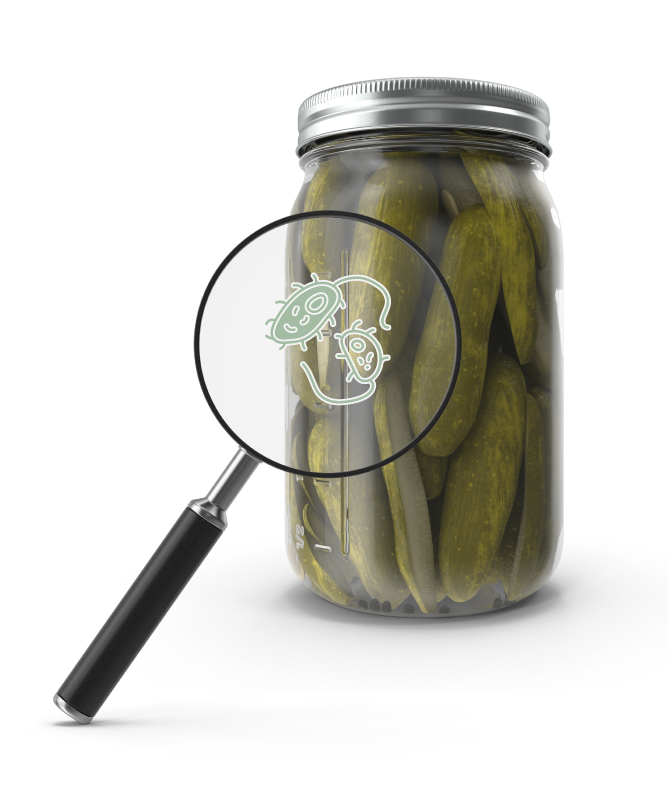
The solution is the fermentation, that is, controlled fermentation. During this process, it is not the harmful but the beneficial microorganisms that take over. These bacteria and yeasts produce organic acids – such as lactic acid, acetic acid or propionic acid – which lower the pH of the food. In an acidic environment, most spoilage and pathogenic bacteria are no longer able to multiply; indeed, many of them are killed off.
This is how the pickled gherkins, sauerkraut, various cheeses and yoghurt as well. Fermentation not only preserves food, but also develops its characteristic flavour and aroma.
But where do the beneficial microorganisms needed for fermentation come from?
The process is largely driven by substances naturally present on the surface of fruit and vegetables microbes launch it.
- During the fermentation of vegetables, lactic acid bacteria are usually favoured, as they produce lactic acid and quickly acidify the medium.
- In contrast, yeasts multiply more easily on fruit with a higher sugar content: the sugars into alcohol which forms the basis for fruit wines and the mashing process.
This is why vegetables are primarily used to make lactic acid pickles, whilst fruit is used to make products produced by alcoholic fermentation.
Gardening tip
If to ferment If we wish to preserve our produce – for example, by making pickled gherkins, pickles, fruit wine or mash – we should, where possible, avoid using plant protection products in the period immediately prior to harvest that significantly reduce the crop’s natural microflora.

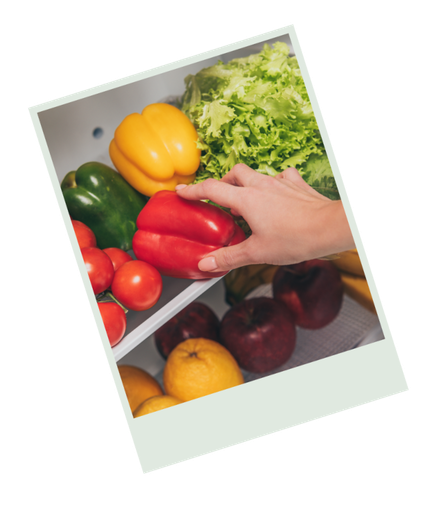
If, on the other hand, the aim is to keep produce fresh for as long as possible, then the exact opposite is important: Wash vegetables and fruit without a waxy coating thoroughly, allow them to dry completely before storing, and only store produce that is intact and undamaged.
This is because most microorganisms that cause spoilage multiply much more rapidly on damp surfaces and in damaged tissue.
What is worth bearing in mind about fermentation?
Fermentation is, in fact, a process carried out with the help of beneficial microbes natural preservation. Acid-producing microorganisms create an environment in which most pathogenic and spoilage-causing bacteria can no longer survive – whilst making the food tastier and extending its shelf life.
In the next section Let’s look at what happens when it is not beneficial micro-organisms but spoilage-causing ones that multiply on fruit and vegetables after harvest.
There’s still more to discover,
Stay tuned for Chapter Four!
You can purchase our products from our online shop or from our retailers. You can find further information about our products and their dosages at the www.danubagarden.hu on the website.


 Magyar
 English (UK)