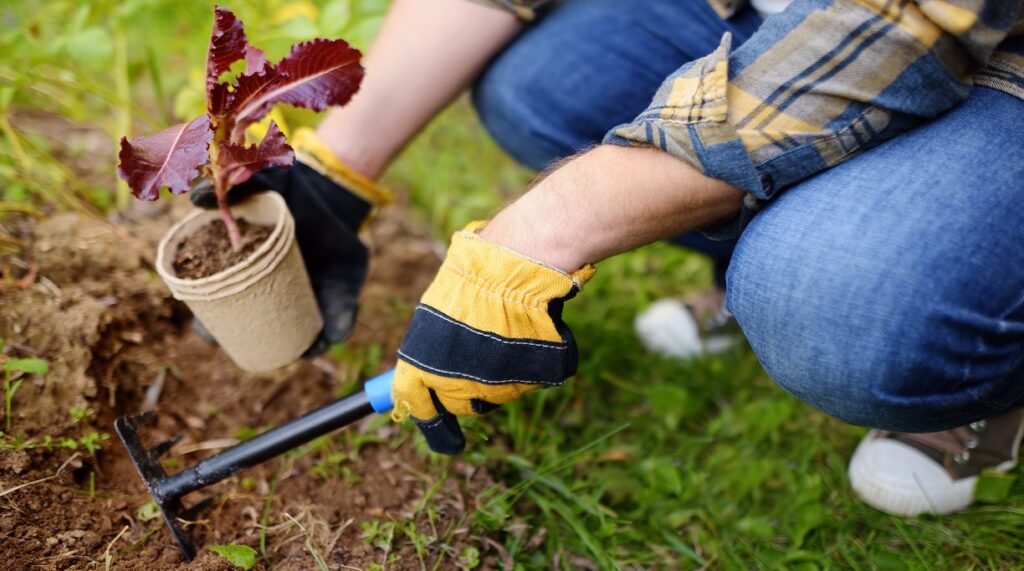
Most amateur gardeners still believe that spring is the best time for planting and gardening. This is understandable to a certain extent, as in spring we can hardly wait to finally get out into the garden! However, our plants will thrive just as well if planted in autumn, provided we use the right planting techniques and the appropriate products. In fact, the soil conditions (moisture content) are generally much more favourable for our plants in autumn. We’d like to offer you a little help with this:
First of all, what is the difference between the various planting techniques?
1. Planting bare-root plantsWe use this term when a plant’s root system is not surrounded by any growing medium (such as a root ball or container)
- The traditional times for planting such plants are autumn (after the leaves have fallen) and spring, when the foliage begins to emerge.
- For fruit trees, this is typically the second half of October; nurseries generally begin harvesting ornamental trees after the fruit trees.
- When planting bare-root plants, it is important to protect the root system from drying out, to prune the roots before planting, to soak the root system before planting, or to cover the roots with soil after planting.
2. These, too, can only be planted in autumn or spring: plants grown in soil balls. At this time of year, the plant is also bare of foliage (except for evergreens). Nurseries produce such plants with a root ball of soil surrounding the root zone.
3. The container plants In contrast, in this case we are referring to plants that have taken root in a container (growing medium), where the root system remains undamaged after the container is removed; they can therefore be planted at any time of year, even whilst still in leaf.
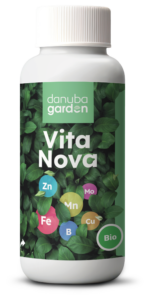
Danuba Garden’s three products designed to support planting and root development – the Mikomax Garden, a Tricho Immun and the Kelpak – can be integrated into these planting techniques in different ways.
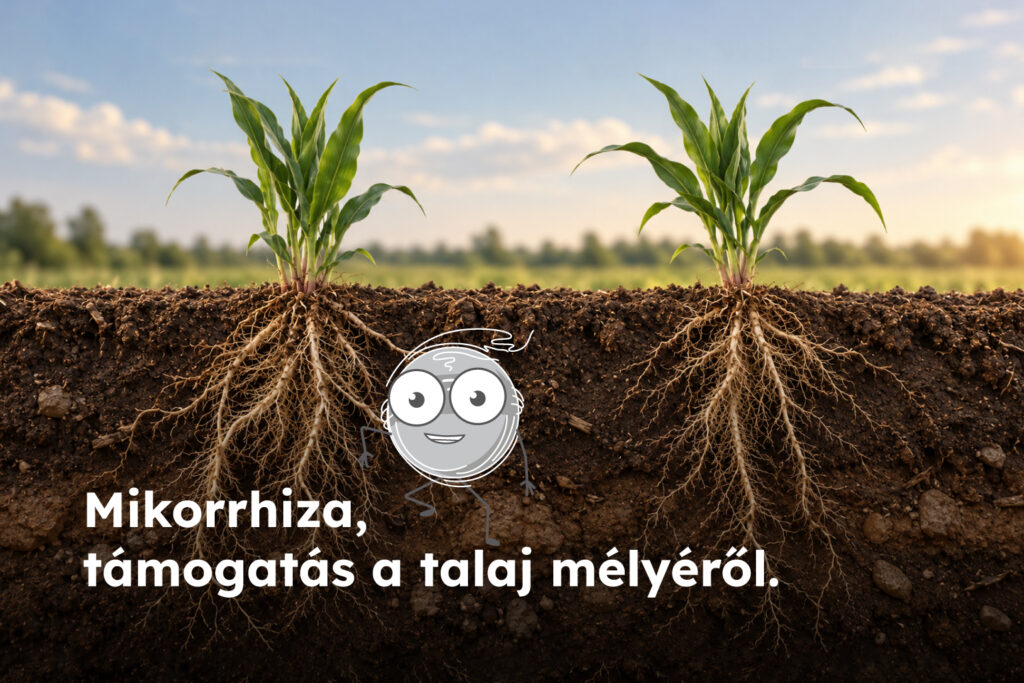
1. Mycorrhiza-based support for root establishment
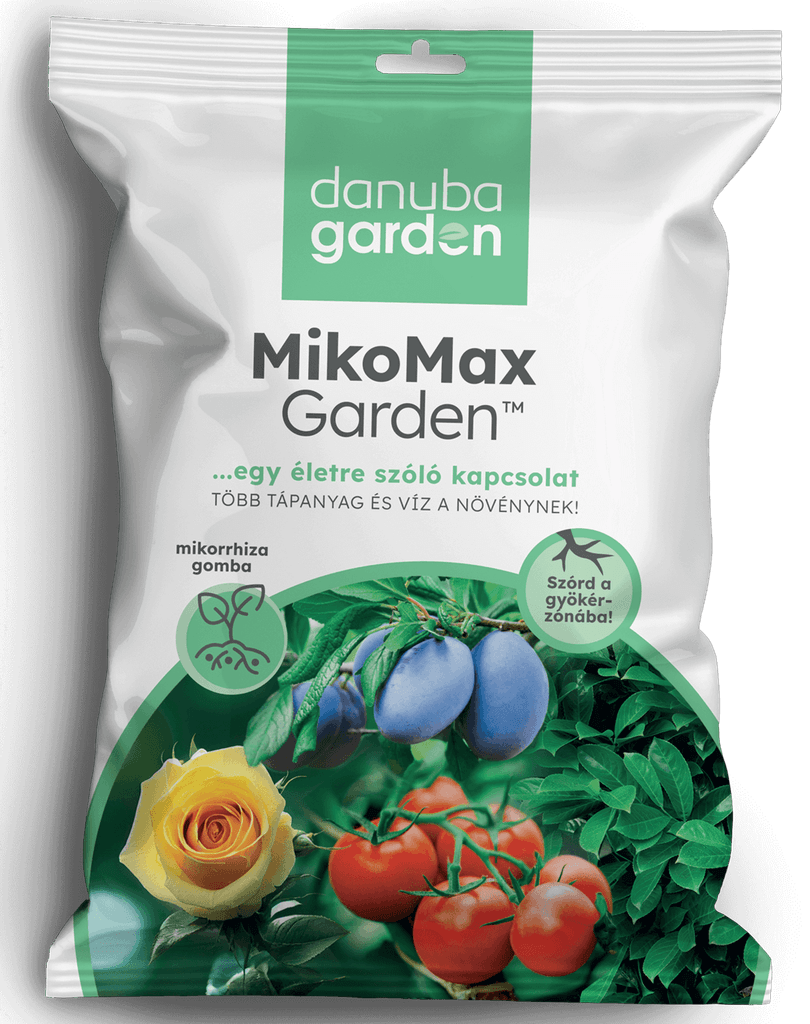
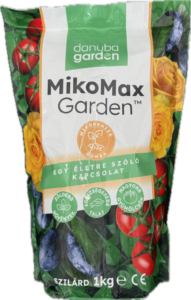
💚 Mikomax Garden a preparation containing several strains of mycorrhizal fungi. A mycorrhizal association can develop between a plant’s root system and the soil and, under suitable conditions, can help to promote the uptake of water and nutrients.
Potential benefits:
- It promotes the development of the connection between the root system and the soil, and supports the plant throughout its life.
- It aids the plant’s uptake of water and nutrients (phosphorus, trace elements).
- It can help the plant adapt to certain environmental stresses.
- It improves soil structure by producing a special ’adhesive’ substance (glomalin protein).
2. Biological support within the plant
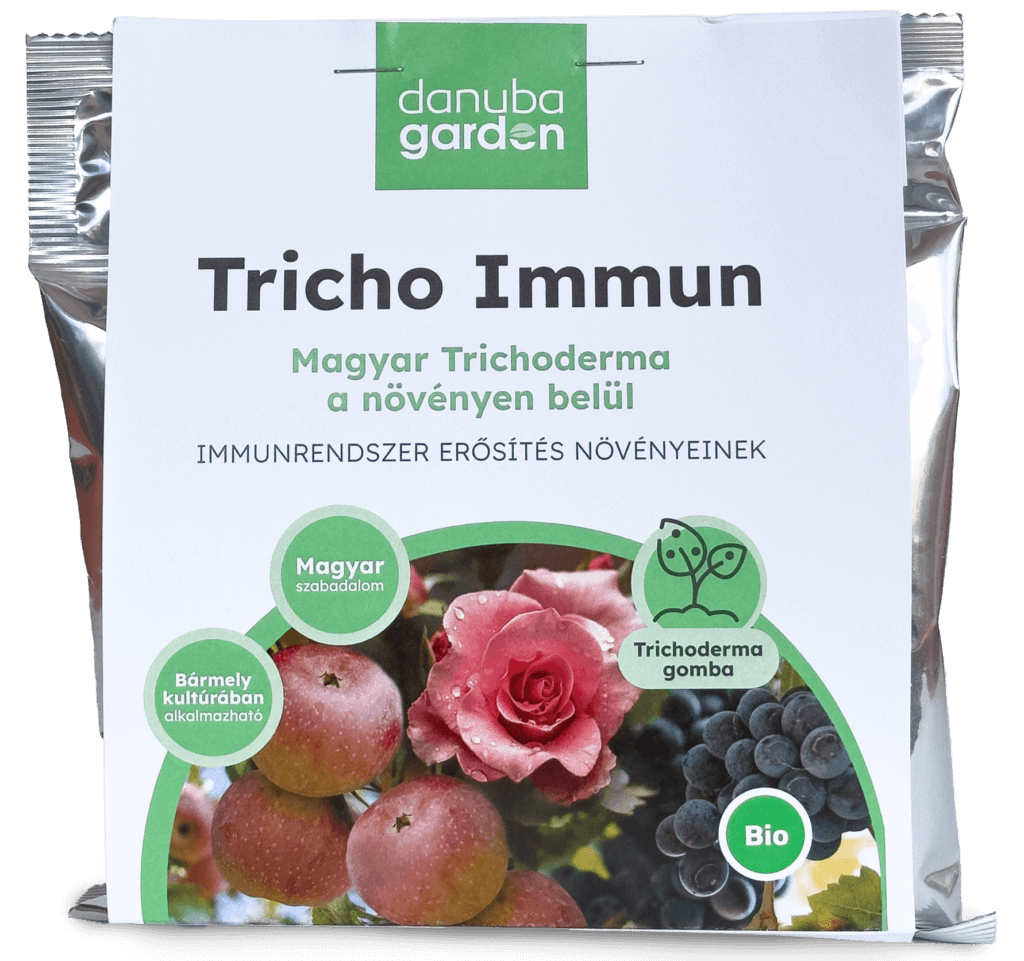
💚 Tricho Immun two Trichoderma A preparation containing the strain which, when used preventatively as a fungivorous fungus living within the plant, can protect the plant from attack by pathogenic fungi.
Its intended uses may include:
- Contributing to the plant’s natural defence mechanisms.
- To support the healing of damaged or pruned parts of plants.
- Supporting the microbiological balance that develops in the plant’s environment.
3. Algae extract to promote root development
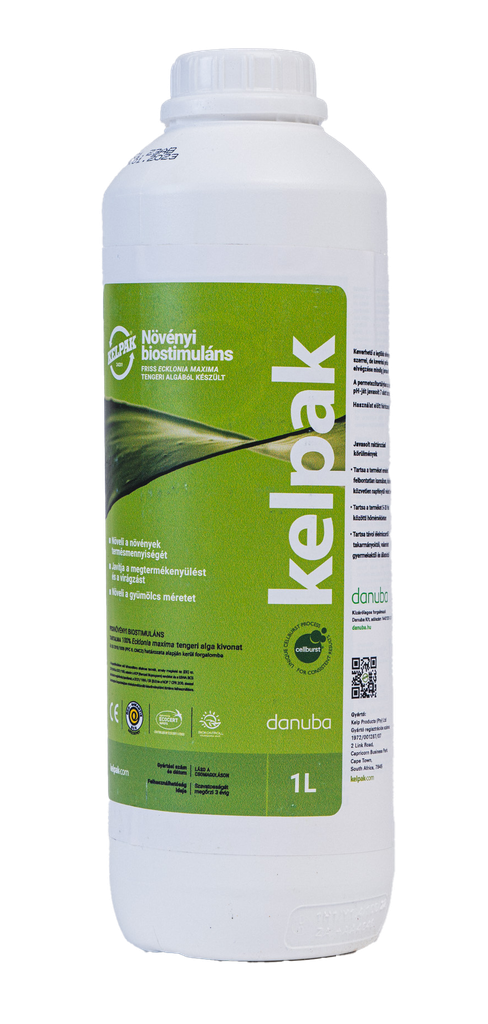
💚 Kelpak, Ecklonia maxima (brown algae) algae extract-based biostimulator. The use of this product may help to promote root formation and plant growth, particularly in the period following planting or transplanting.
Possible uses:
- To promote root formation and root development.
- To help the plant recover after planting or repotting.
- Supporting the plant’s adaptation to environmental changes.
How should you use these products when planting bare-root or container-grown autumn plants?
Planting bare-root autumn plants
1. Tricho Immun
Before planting Tricho ImmunSoak your bare-root plant in water containing t for 12 hours.
Dosage: 100 g / 10 litres of water.
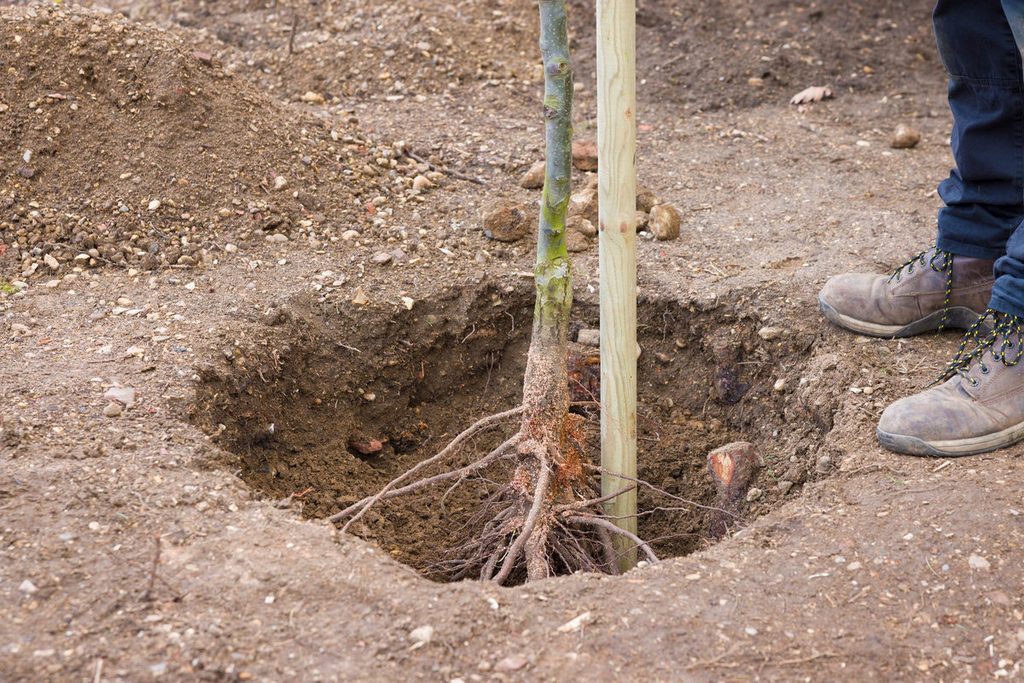
The product should be applied into the planting hole, directly near the root zone, so that it can come into proper contact with the roots.
Dosage: 10–15 g per planting hole.
3. Kelpak
Water the newly planted plant with a water solution containing Kelpak seaweed.
Dosage: 2 dl / 10 litres of water.
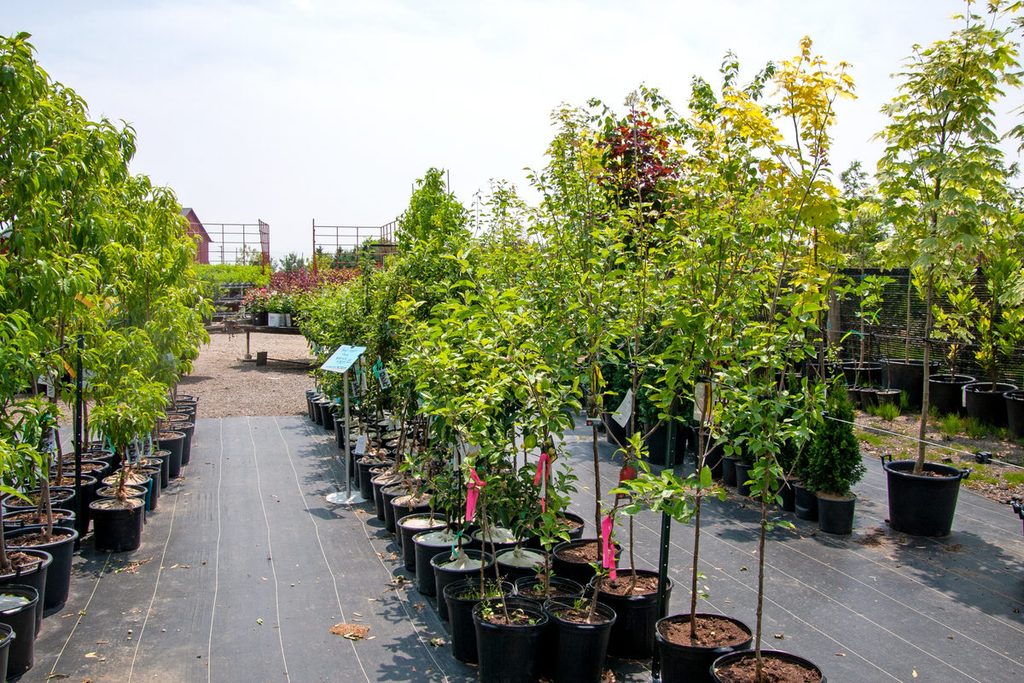
🪴Planting autumn plants from containers or with root balls
The product should be applied to the planting hole, close to the root zone. For container-grown plants, it can be easily applied to the moist root zone or sprinkled onto the bottom of the planting hole.
Dosage: 10–15 g per planting hole, in accordance with the current specifications for the product.
2. Kelpak
The planted plant can be watered using the product diluted in accordance with the instructions.
Dosage: 2 dl / 10 litres of water, subject to the conditions of use specified on the label.
3. Tricho Immun
The product can be applied by spraying onto foliage that is still active, or later by means of a wash-off spray. Cooler weather is not a problem; it is capable of actively multiplying and penetrating the plant even at 5 degrees.
Dosage: 50 g / 10 litres of water.
(It is advisable to apply the other half of the 100-gram pack next spring, after the early pruning, to treat the fresh pruning cuts.)
To sum all this up, don’t be put off by planting in autumn! As long as the ground isn’t frozen solid, you can confidently plant fruit trees and ornamental plants – whether they’re in containers, bare-rooted or with a root ball!
We wish everyone happy gardening!
Danuba Garden is
Careful planting, sound plant care.
You can purchase our products from our online shop or from our retailers. You can find further information about our products and their dosages at the www.danubagarden.hu on the website.
 Magyar
 English (UK)