What do garden soil, pickled gherkins, cheese and human skin have in common?
At first glance, it seems like nothing.
Yet microbes – bacteria, fungi and other tiny organisms that we cannot usually see with the naked eye – are present in all of them.
They are often only mentioned when something goes off, becomes mouldy or causes illness. Because of this, it is easy to think that all microbes are harmful. In fact, however, the exact opposite is true.
Life on Earth could not exist without them.
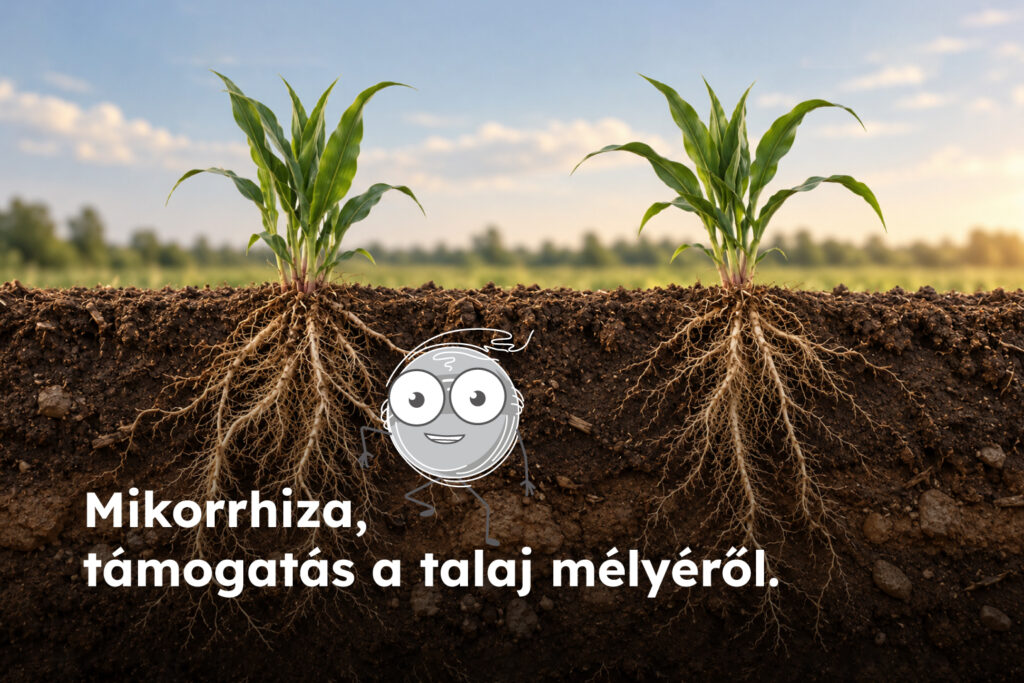
Soil fertility is maintained by billions of microbes. It is thanks to them that fallen plant matter breaks down, making the nutrients available to plants once again.
At the same time, microbes transform milk into cheese or yoghurt, are used to make pickled gherkins, and are naturally present on our skin and within our bodies.
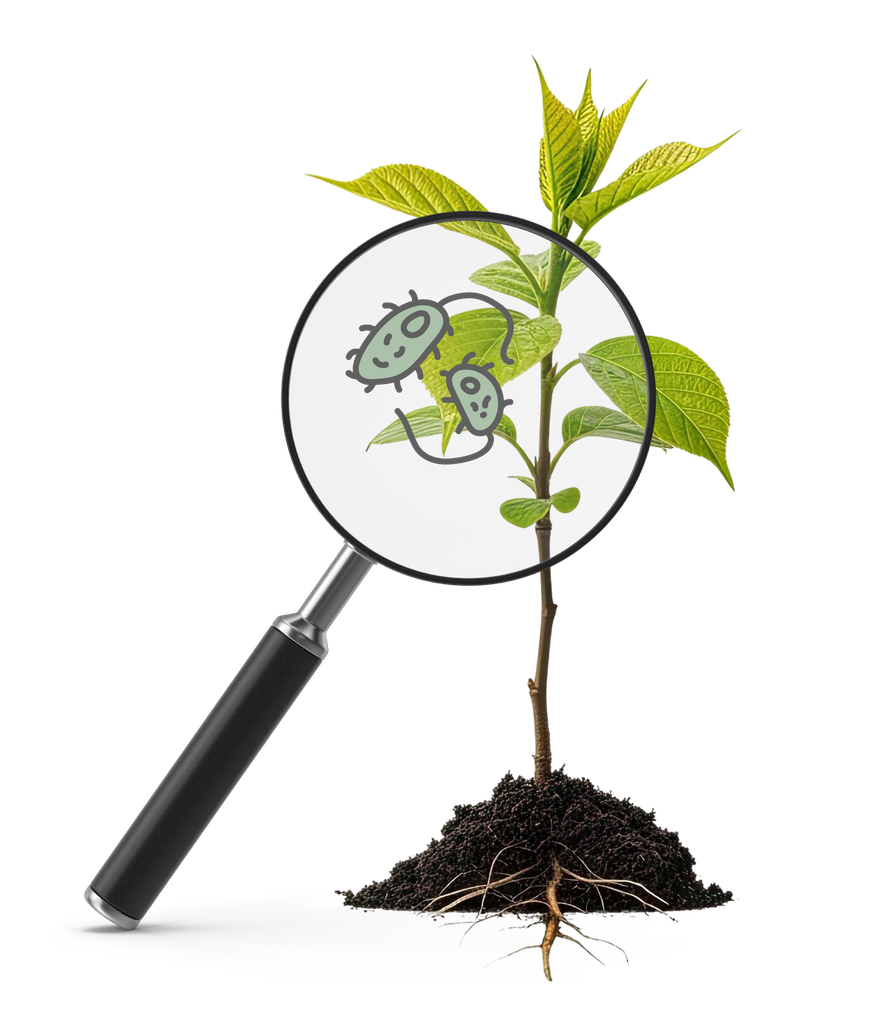
Of course, not all microbes are beneficial. There are also some that plant diseases cause or lead to the spoilage of food. However, a healthy environment is not characterised by the absence of microbes, but by the fact that a wide variety of microorganisms live in balance with one another.
In this series, this an invisible world Let’s explore this together. We’ll look at what microbes live on our food, how they help preserve it, what role they play in plants and the soil, how they affect our health, and why good hygiene is important.
In our emails every day this week, we will be exploring the question of whether Why are there microbes on all freshly picked fruit and vegetables, and what does this mean in everyday life?.
The story of microbes continues – read our next chapter!
You can purchase our products from our online shop or from our retailers. You can find further information about our products and their dosages at the www.danubagarden.hu on the website.
 Magyar
 English (UK)