
We talk a lot about hummus ingredients. What are they exactly? We get a lot of questions from you about them. What is their function? How can they help us in gardening?
Summary table: humus composite

Humic acids - guardians of soil nutrients
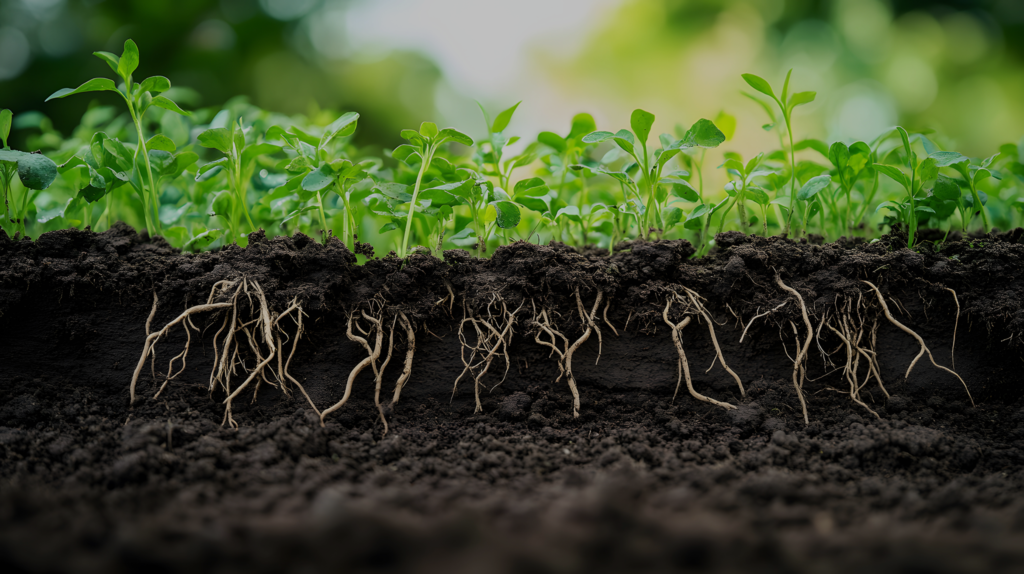
They are soluble in neutral and alkaline solvents. They can bind nutrients and water in the soil. You can think of them as magnets. They can "capture" both positively charged nutrients (e.g. magnesium, calcium, iron) and negatively charged ones (e.g. nitrate, sulphate). They also improve the structure of the soil, making it more friable, when combined with clay minerals. This makes the soil more aerated, allows the roots to permeate better and makes it easier to store water.

Fulvic acids - a quick fix for plants
They are much smaller, soluble in water, acid and alkali. When sprayed on the leaves of plants, they are quickly absorbed and carry useful nutrients with them like a carrier. When applied through the soil, they also penetrate the roots quickly and help the plant to absorb water and nutrients easily.

Ulmic acids - the root growers
Oleic acids are soluble in alcoholic compounds, not in acids or bases. They are less stable compounds than humic acids. They can improve soil structure and nutrient retention, stimulate root formation and growth.
Humic substances - the stable foundations of humus

Humins are giant molecules and are not soluble in any compound.
Humic substances improve soil water retention, soil structure and stability. We can think of them as water and nutrient stores in the soil.
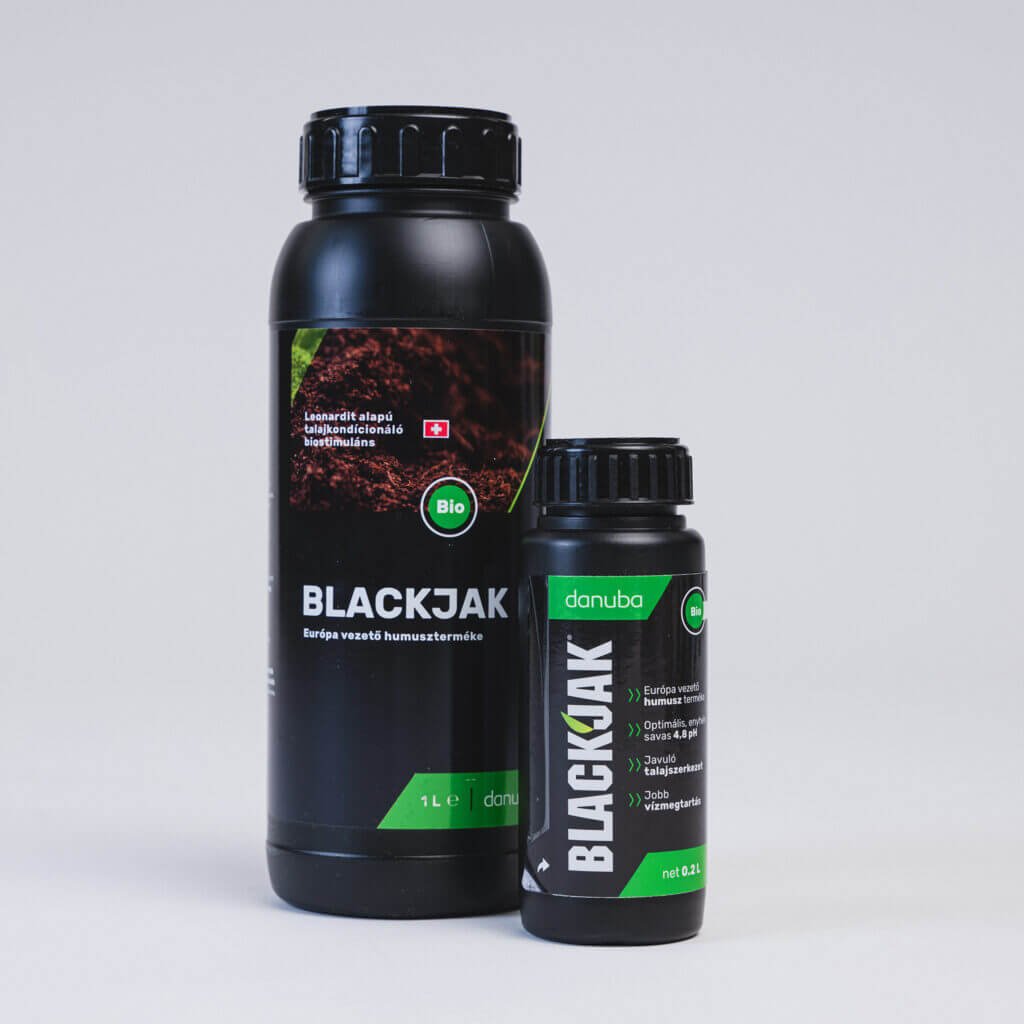
💚 Blackjak thanks to its production technology - mechanical grinding - it contains all the hop constituents in one piece and its chemistry remains acidic (since most of the hop constituents are also acid).



 Magyar
 English (UK)