
Why is it important to prevent calcium deficiency?
Calcium plays a key role:
- in the structure and strength of cell walls
- in the development of new shoots and roots
- in the shelf life of the produce
- the plant’s ability to withstand stress
Why is this one of the most common deficiency symptoms?
As calcium does not move easily within the plant, it is primarily the young, rapidly growing parts that suffer from a deficiency; therefore – as can be seen in the pictures – has a significant impact on the quality of the crop.
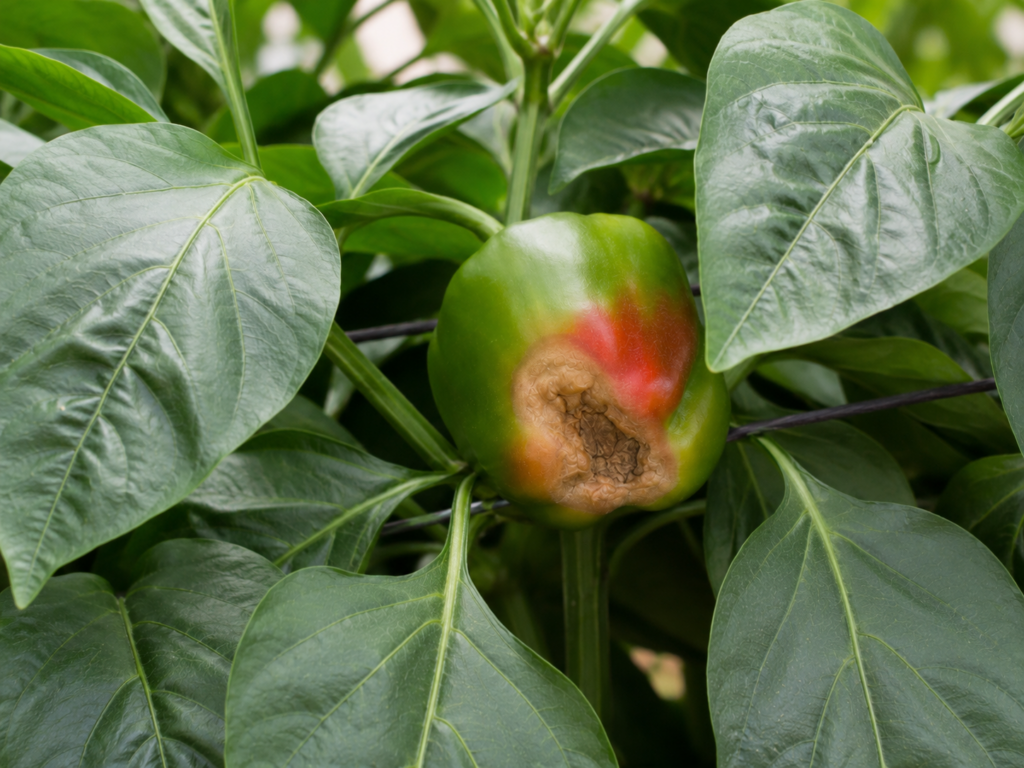
Many people believe that calcium deficiency is caused solely by low calcium levels in the soil, whereas it is generally due to insufficient uptake or transport problems.
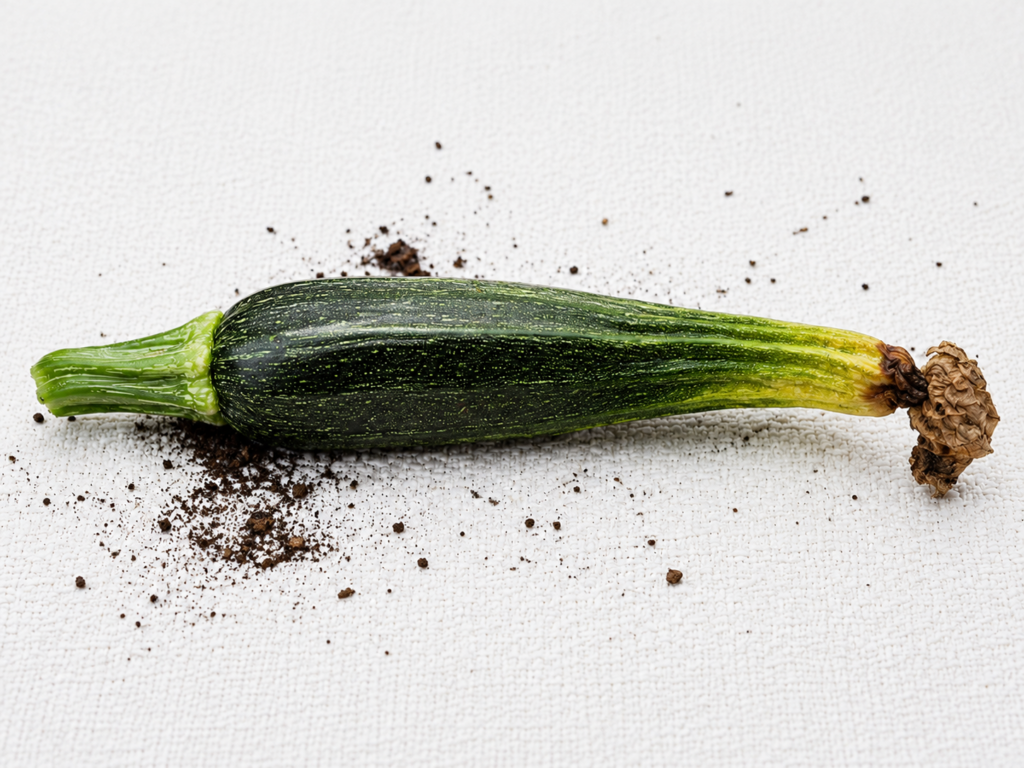
1. Uneven water levels: Calcium is transported to the various parts of the plant via the water flow. During prolonged dry spells or in the event of irregular watering, this transport may slow down.
2. Vigorous vegetative growth: During periods of rapid growth, the plant’s calcium requirements increase significantly, which the root system is not always able to meet.
3. Nutrient antagonism: Excessive levels of potassium, magnesium or nitrogen can inhibit calcium uptake. Acidic soils (pH below 7) have a naturally low calcium content, which is why liming is necessary.
4. Adverse weather conditions: Calcium transport may also be impaired in the event of high humidity, high temperatures (the most common cause) or poor root activity.
How can calcium deficiency be prevented?
The basis of successful defence is the prevention:
- ensuring a steady water supply,
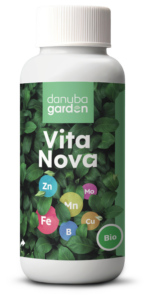
- balanced nutrient management: Maintaining the correct soil structure and pH improves calcium uptake, whilst supporting healthy root function. BlackjakSoil treatment using … helps the plants to absorb nutrients from the soil. It also Blackjak When applied to foliage, it triggers intensive water and nutrient uptake.
- Comprehensive plant conditioning: Well-nourished, stress-tolerant plants are able to absorb and utilise calcium more effectively.
- targeted foliar calcium supplementation during critical growth stages. This ensures that calcium reaches the active parts of the plant directly, thereby alleviating deficiency symptoms more quickly.

Danuba Garden solutions for calcium deficiency
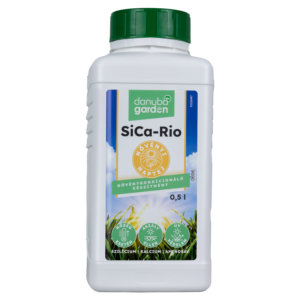
Danuba Garden’s current range includes the SiCa-Rio A product that can help us with this.
The product 440 g/l calcium, 31 g/l silicon and the amino acid L-proline contains.
It is important to note that whilst the majority of the applied calcium (approximately 80 %-a) remains on the surface of the plant as a film, a smaller but not negligible (!) proportion is absorbed by the plant, making it suitable for the prevention or treatment of calcium deficiency.
Did you know?
💚 SiCa-Riolocated in proline a natural „stress-protective” amino acid. Whilst most amino acids are primarily involved in protein synthesis, proline is a key component of plants„ ”stress defence system’, as:
– improves water management
– protects cells
– promotes recovery
– increases heat and drought tolerance
Numerous studies confirm that plants with higher proline levels are better able to withstand summer heatwaves and temporary water shortages.
If you, too, are seeing your plants struggling in the heat – or perhaps even showing signs of calcium deficiency – why not give this special ‘sun cream’ a go? The SiCa-Rio-! ☀️
You can purchase our products from our online shop or from our retailers. You can find further information about our products and their dosages at the www.danubagarden.hu on the website.



 Magyar
 English (UK)