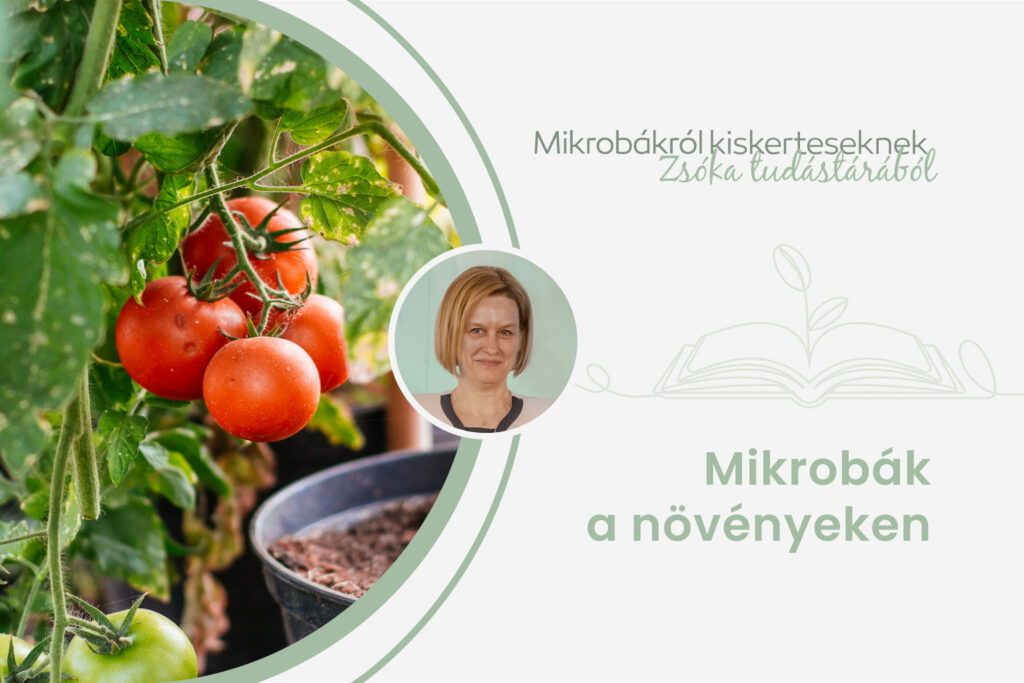
Would you have thought that every freshly picked tomato or apple is home to millions of microorganisms?
No matter how closely we look, we cannot see them with the naked eye. Yet bacteria, yeasts and fungi live on the surface of all freshly picked fruit and vegetables. This is a completely natural phenomenon.
Where do the microbes come from?
Plants interact with their environment throughout their entire lives. Micro-organisms can reach their surfaces from the soil, the air, raindrops, irrigation water, as well as from insects, birds and other animals that visit the plants. At harvest time, we ourselves can also transfer microorganisms via our hands or harvesting tools.
One might ask: so why doesn’t all fruit go off whilst still on the plant?
The reason for this is that plants their own natural defences . The fruit’s skin, the waxy cuticle and other protective layers make it difficult for microorganisms to adhere to the fruit, multiply and penetrate the internal tissues. This is one of nature’s important defence mechanisms.
Of course Not all microorganisms are harmless.
If the crop comes into contact with contamination of animal or human origin, it may also become contaminated with dangerous pathogens.
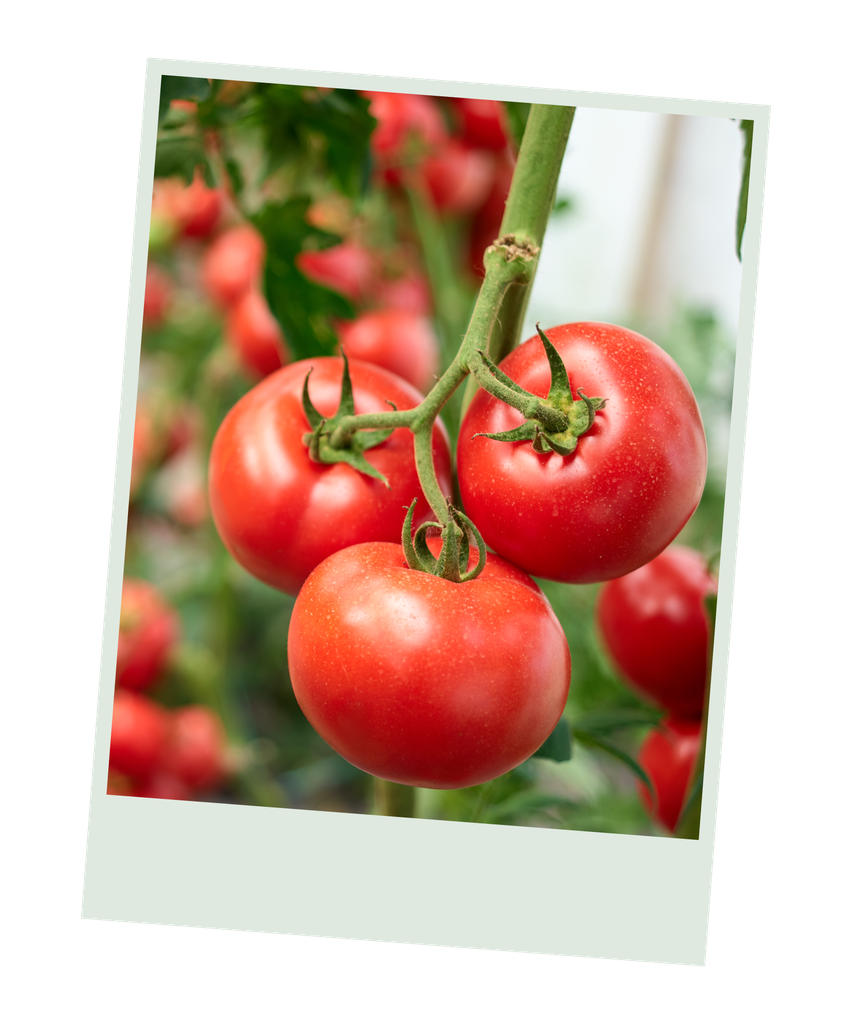
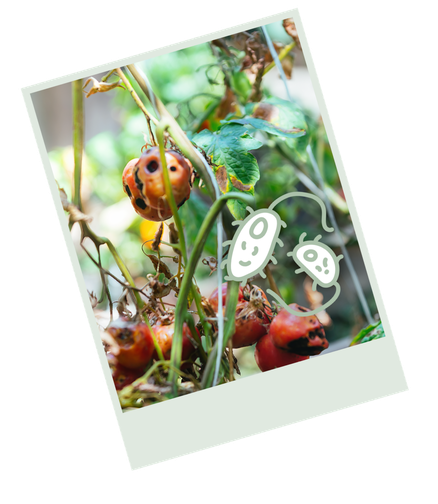
- An example of this might be the Salmonella, which reaches the surface of the crop via contaminated soil, manure or irrigation water,
- but the at the root (for example, with tomatoes) or injuries through it (for example, when cutting or slicing a melon) it may even get inside.
- In the case of raw fruit and vegetables, this may cause illness.
That is why, even in a small garden, it is important to use only properly ripened, mature organic fertiliser We should use these and avoid contaminating plants with fresh animal or human waste. Infections of this kind can be caused by a number of pathogens – these will be discussed in more detail in a later part of this series.
However, the microorganisms living on the surface of fruit and vegetables are not just a problem. The natural bacteria and yeasts Without it, it would not be possible to make pickled gherkins, sauerkraut or many other fermented foods.
What is worth noting?
The microbes living on the surface of fruit and vegetables are a natural part of our environment. Most of them are harmless or even beneficial, but proper hygiene and the use of well-managed organic manure are essential to ensure that pathogens do not pose a risk.
In the next section Let’s look at how we can use these beneficial microorganisms for food preservation and fermentation.
Continue your journey through the world of microbes in our next chapter!
You can purchase our products from our online shop or from our retailers. You can find further information about our products and their dosages at the www.danubagarden.hu on the website.
Follow us on our social media channels too!
 Magyar
 English (UK)